
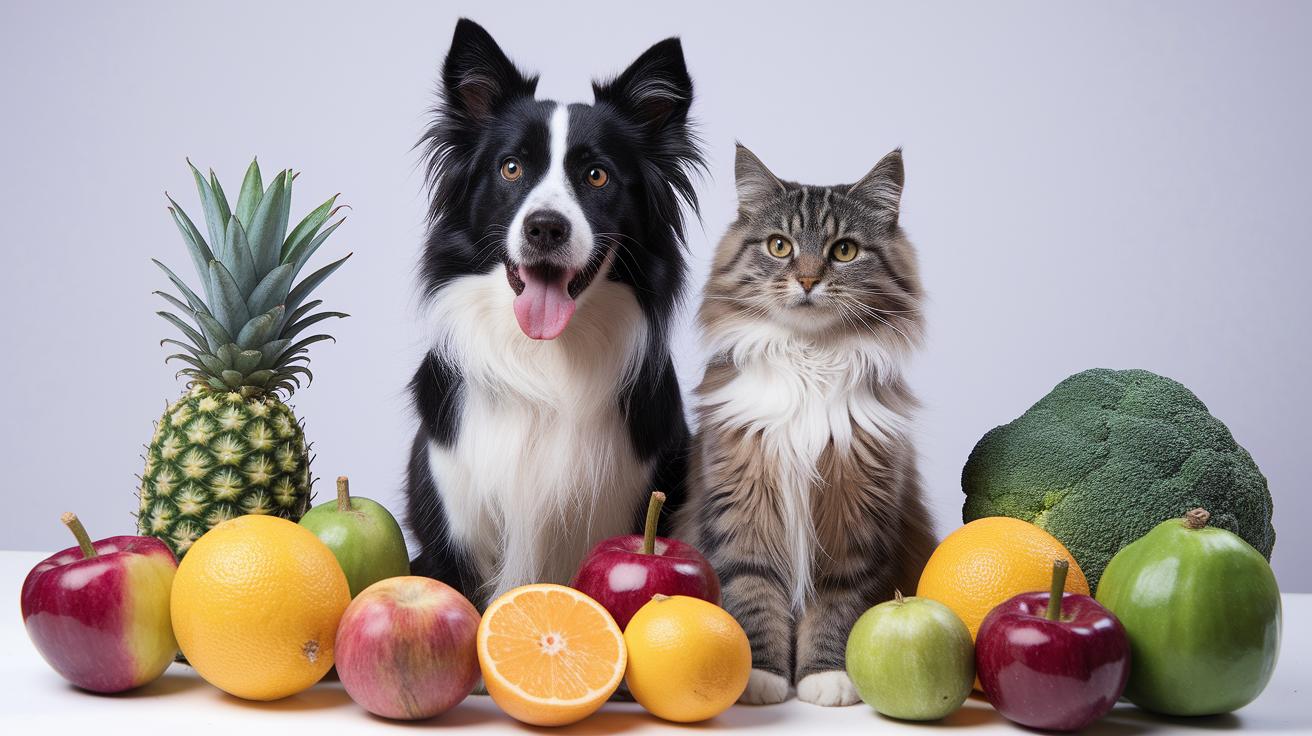
Have you ever noticed your pet feeling a bit tired? Sometimes, missing out on the right vitamins is the cause. Think of vitamins like little power boosts that keep your pet bouncing with energy. A short, fun play session can turn a gloomy day around, just like these nutrients help fire up your pet’s body for daily adventures.
In this post, we chat about how these vitamins work wonders. They help build a strong immune system (that's your pet’s shield against illness) and even keep the coat looking healthy and glossy. A balanced diet can turn regular meals into vibrant moments of joy for your furry friend.
Essential Vitamins: Key Roles in Your Pet’s Health
Vitamins are a big deal in pet nutrition. They help your pet get energy, fight off sickness, and make healthy blood cells so your furry friend can play and explore every day. AAFCO rules tell us exactly how much of each vitamin should be in pet food to keep it balanced for both adult and growing pets. Think about it this way: even a small vitamin boost can turn a quiet, sluggish afternoon into a burst of playful fun, much like a quick nap revives a tired pup.
Most commercial pet foods mix in a vitamin premix twice during production. This method makes sure that every bite your pet eats has just the right amount of vitamins. By adding the mix two times, manufacturers avoid clumps and keep the vitamins fresh and mix evenly in every meal. It’s a smart way to meet AAFCO standards and keep your pet’s food both safe and nutritious.
Knowing why vitamins matter is like understanding that they do so much more than add flavor. They spark energy, boost the immune system, and help with things like clear vision and proper growth. Next time you fill up your pet’s bowl, remember that behind every meal is a carefully balanced mix of micronutrients meant to keep them healthy and happy. It’s little details like this that help us make sure our companions live full, playful lives.
Fat-Soluble Vitamin Essentials: A, D, and E in Pet Nutrition
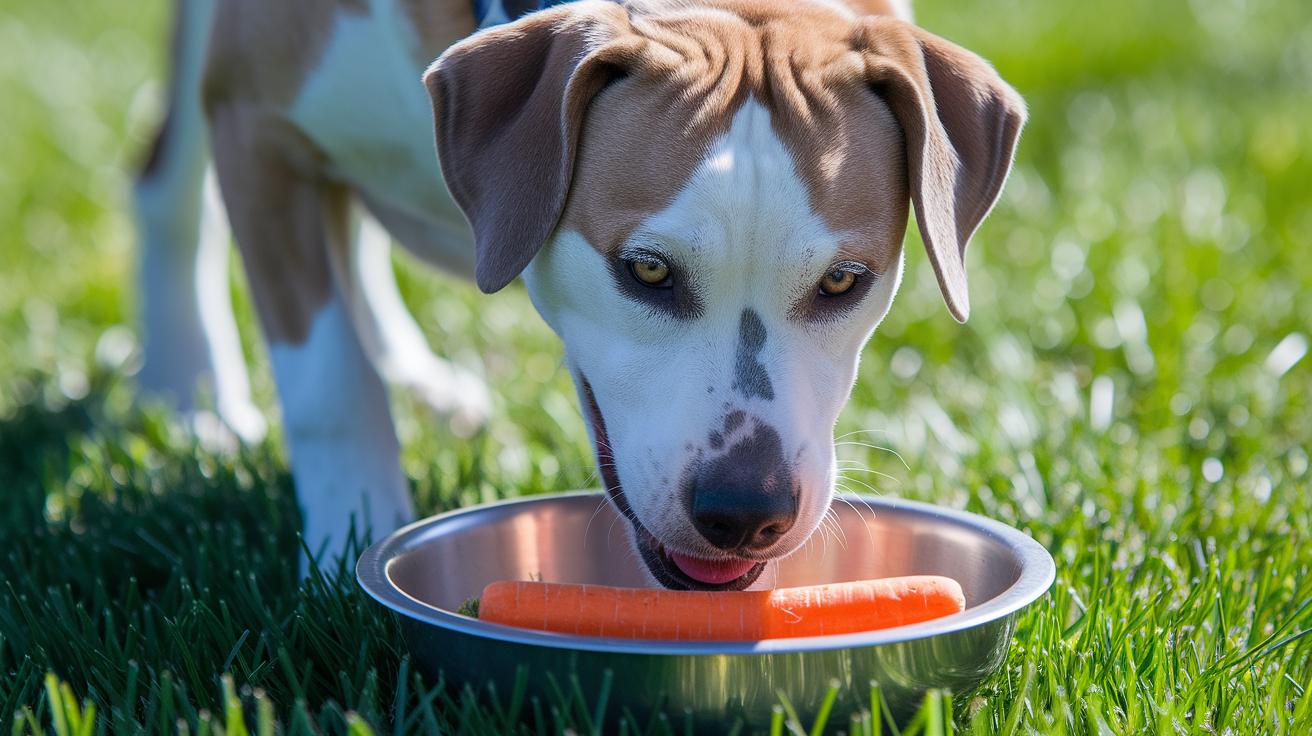
Fat-soluble vitamins work quietly in your pet's body, helping everything from a shiny coat to strong bones and a healthy immune system. Every bite they take is a step toward a better life. In the sections below, we chat about vitamins A, D, and E, where to find them naturally, and the signs that your pet might need a boost.
Vitamin A and Beta-Carotene
Vitamin A is like a handy tool in your pet's body. It helps keep their skin healthy, their coat glossy, builds strong muscles, and makes sure their nerves work right. Dogs can convert beta-carotene (a natural substance found in fruits and veggies) into vitamin A, while cats need vitamin A already mixed into their food. Beta-carotene also works as a gentle protector for their eyes and immune system. Ever thought about adding some steamed carrots to your pet's meal for an extra boost?
Vitamin D
Vitamin D is often called the sunshine vitamin because it helps keep bones and teeth strong by balancing calcium and phosphorus (a mineral that builds strong bones). It really shines when your pet has plenty of outdoor playtime and a balanced diet. This vitamin makes sure your pet can run, jump, and play without worry.
Vitamin E
Vitamin E acts as your pet's natural bodyguard. It works as an antioxidant, which means it helps protect cells in the heart, liver, and skin from damage by harmful molecules. With a good amount of vitamin E, your pet's organs stay safe and they can enjoy a vibrant, healthy look. Imagine a little splash of olive oil in a pet treat delivering all that goodness!
| Vitamin | Primary Function | Key Food Sources | Deficiency Signs |
|---|---|---|---|
| A | Helps maintain healthy skin, glossy coat, strong muscles, nerve function, and supports white blood cell production | Liver, fish oils, dairy, egg yolks | Dry skin, dull coat, muscle weakness, immune issues |
| D | Balances calcium and phosphorus for strong bones and teeth | Oily fish, fortified foods, eggs | Weak bones, dental problems |
| E | Protects cells in the heart, liver, immune system, and skin by acting as an antioxidant | Vegetable oils, nuts, green leafy vegetables | Muscle weakness, poor immune response, heart issues |
Water-Soluble Vitamin Complexes: B-Complex and C in Pet Nutrition
Water-soluble vitamins are a big help for keeping your pet full of energy and feeling great. B vitamins, for example, turn the carbohydrates in your pet’s food into glucose (a type of sugar used for fuel), making every bite feel like a burst of energy during play or a brisk yard sprint. It’s like each meal sprinkles a little magic that keeps your pet’s fur shiny and skin bright.
B vitamins are nature’s way of ensuring your furry friend has the energy to enjoy every adventure. They help move oxygen and nutrients through the body, so every muscle, from the biggest paw to the tiniest cell, gets what it needs. Imagine your pet working like a well-tuned car, where the fuel (B vitamins) helps power every joyful moment and lazy nap.
Thiamine, which is vitamin B1 in the form of thiamin mononitrate, is especially important. It gives a boost to your pet’s brain, keeping them alert and playful, while also supporting various organs along the way. Think about how your pet happily chases a ball or lounges in a sunny spot; a bit of thiamine helps make those everyday moments effortless.
Vitamin C rounds out the picture by giving your pet’s immune system a little extra help. When your pet gets enough vitamin C, it’s like they have an extra shield that helps fight off common bugs and bounce back from minor challenges. Picture that spoonful of vitamin C as a daily dose of pep, keeping your pet bright-eyed and ready for fun.
Canine vs. Feline Vitamin Requirements: Species-Specific Nutrition Guidelines
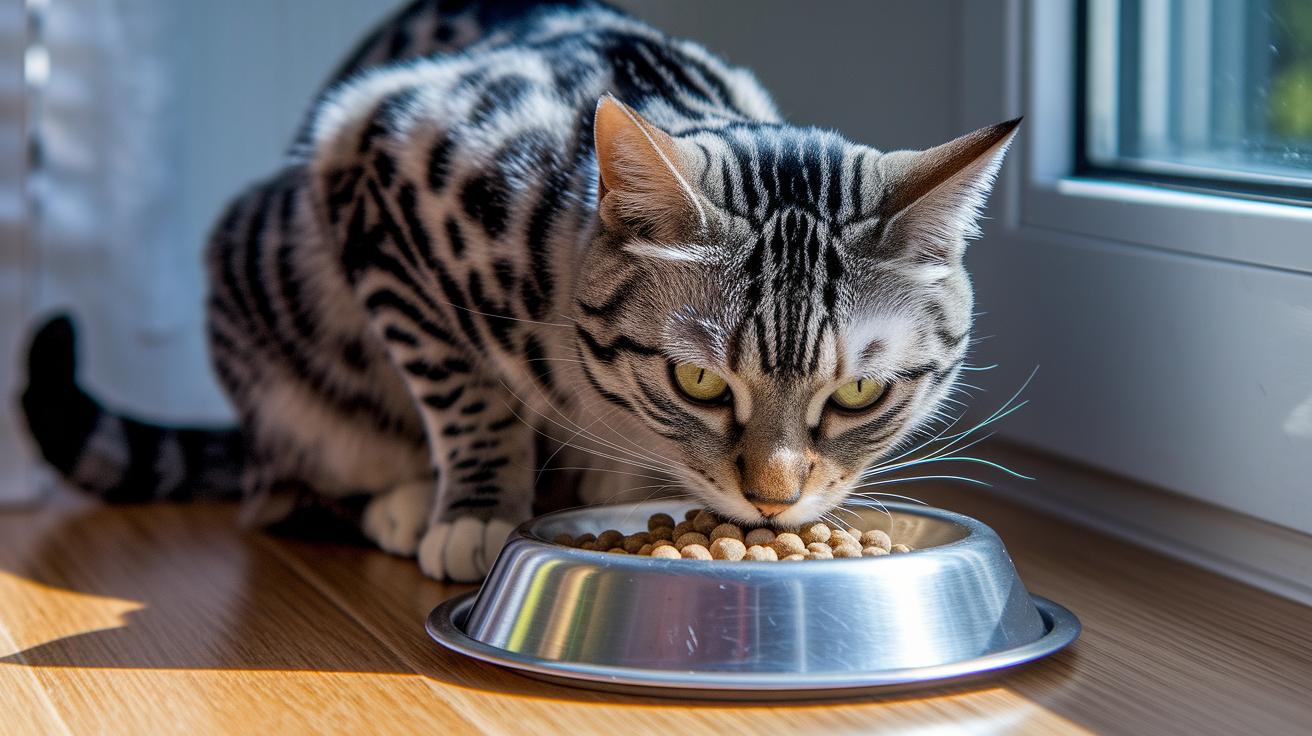
Cats need vitamin A mixed into their food because they can't turn beta-carotene (the natural pigment in veggies) into vitamin A on their own. Imagine putting together your kitty's meal as carefully as assembling your favorite snack, with each ingredient chosen to help brighten their vision and keep their coat soft and shiny. This ready-to-go vitamin A helps your feline feel their best.
Dogs, on the other hand, can take beta-carotene from veggies like carrots and convert it into vitamin A. Picture tossing a crunchy carrot into your dog's bowl, where their body will naturally adjust the nutrients for strong muscles and healthy nerves. Still, it's a smart move to have your vet check in and set the perfect balance for your pet's needs.
Safe Vitamin Supplementation and Absorption in Pet Nutrition
Vitamin supplements help fill in missing nutrients and boost your pet's overall energy. When pet food is made, a small vitamin mix is added twice to ensure every bite gets the proper vitamins. This method keeps the nutrients balanced and stops them from clumping, much like lightly dusting a meal with salt so every bite tastes just right.
Fat-loving vitamins, like A, D, and E, are important but can be tricky. Even a little extra can upset your pet's diet if not measured correctly. By carefully mixing the right amount, the food stays safe and each vitamin works well without causing harm. Think of it as adding just the right pinch of spice to bring out all the flavors in your recipe.
To keep your pet safe, it’s best to chat with your vet about the right vitamin levels. Regular visits help check that everything is absorbed properly and adjust the doses if needed. With a bit of extra care and guidance, your pet’s meals can stay balanced, making sure they have the energy for life’s little adventures each day.
Final Words
In the action, we explored how essential vitamins in pet nutrition support energy, immune strength, and healthy growth. We shared insights on fat-soluble vitamins like A, D, and E along with water-soluble B-complex and vitamin C that brighten your pet’s day. We also discussed species-specific needs for dogs and cats and safe ways to mix vitamin premixes into meals. Every tip brings us one step closer to a diet that keeps our furry friends healthy and happy. Enjoy creating balanced meals and watch those tails wag!
FAQ
What are the essential vitamins in pet nutrition and is there a chart to guide me?
The essential vitamins in pet nutrition include fat-soluble vitamins A, D, and E, along with water-soluble B-complex vitamins and vitamin C. Charts often list their functions, food sources, and deficiency signs.
What vitamins do dogs need, including for homemade food and overall health?
The vitamins dogs need include vitamin A, D, E, B-complex, and C. In homemade food, a balanced mix or a vet-approved supplement can help meet these needs for energy, bone health, and overall body function.
What essential vitamins are required for cats?
Cats need preformed vitamin A because they cannot convert beta-carotene like dogs. They also require vitamins D, E, and the B-complex group to support skin, coat, and overall well-being.
What essential vitamins in pet nutrition are similar for humans?
Both pets and humans need a balanced blend of vitamins to support energy metabolism and immune function. However, formulations differ, so human vitamins are designed specifically for our nutritional needs.
Are pet vitamins necessary and why are they important?
Pet vitamins help fill nutritional gaps in commercial or homemade diets. They support energy, tissue repair, and immune health, making them a helpful addition when diets do not meet all nutritional guidelines.
What are the six essential nutrients for dogs?
The six essential nutrients for dogs are protein, fats, carbohydrates, vitamins, minerals, and water. These components work together to keep your dog healthy and energized throughout the day.
What should I look for in the best dog vitamin and mineral supplement?
The best dog vitamin and mineral supplement offers a balanced blend of key vitamins and minerals. It follows established guidelines and is best chosen after discussing your pet’s needs with a veterinarian.