
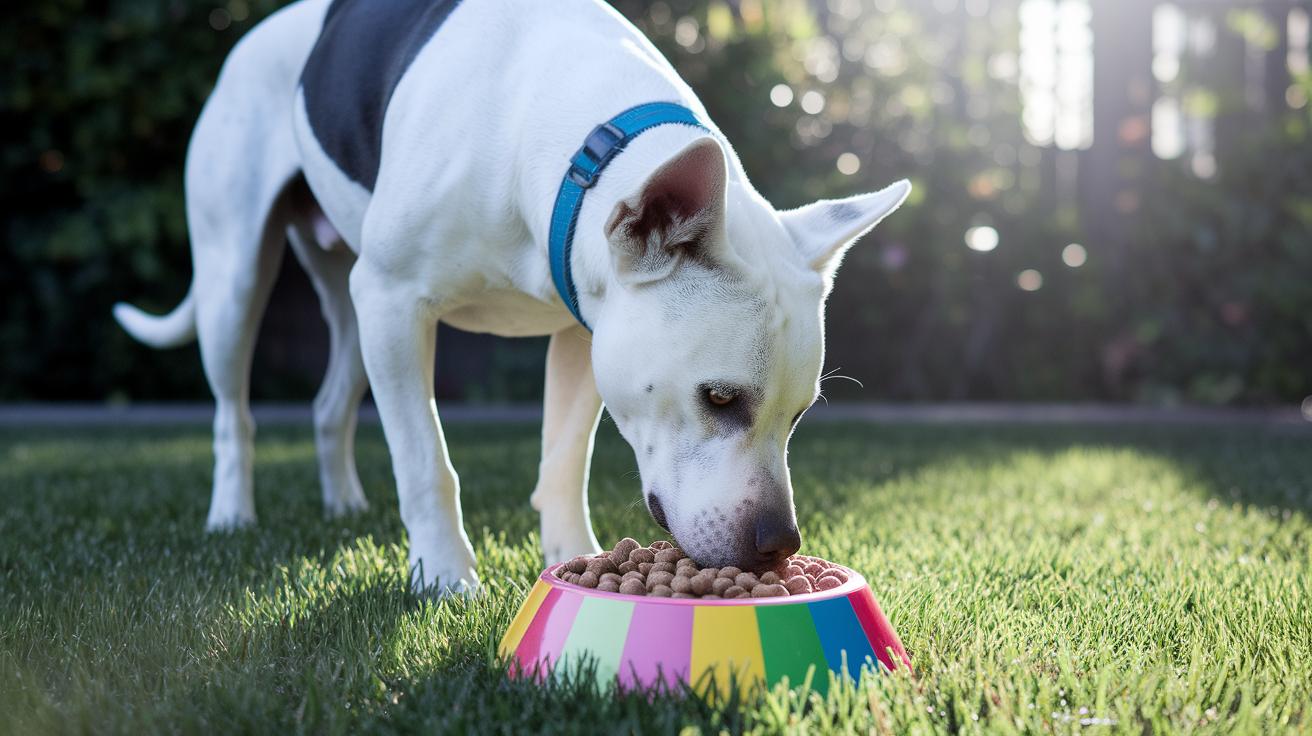
Ever wonder if your pet's bowl holds the key to a longer, happier life? Many pet parents miss out on the magic a balanced diet can bring. Think of pet nutrition like the premium fuel you top off your car with, it keeps everything running smoothly. A mix of vitamins (the little helpers that keep your pet healthy) along with regular playtime can work wonders.
In this article, you'll discover easy tips to keep your pet's weight in check, boost their energy, and protect their overall well-being. Imagine the refreshing sound of kibble hitting the bowl as your pet enjoys a meal that fuels playful leaps and gentle purrs. Get ready to learn a plan that brings more wagging tails and heartwarming moments into your day.
Key Pet Nutrition Strategies for Effective Weight Management
Keeping your pet healthy means mixing nutritious food with daily playtime. A meal loaded with the right vitamins and minerals (like premium fuel for a car) paired with a bit of exercise can work wonders. Imagine your dog eagerly waiting for a brisk walk before dinner, tail wagging as if saying, "I'm ready for fun!" This kind of balance not only keeps your pet energetic but also helps prevent pesky issues like heart or joint problems.
A long study even showed that dogs who stick to a lean diet from puppyhood might enjoy up to two extra active years. Picture your senior pup still dashing through the park, full of life and joy. Paying attention to their food early on can add many happy moments later.
Experts agree that a thoughtful meal plan combined with regular exercise creates a winning recipe against obesity. When you carefully measure each meal and make every walk count, you're setting the stage for a healthier, happier life for your furry friend.
Balanced Diet Components in Pet Nutrition for Weight Management
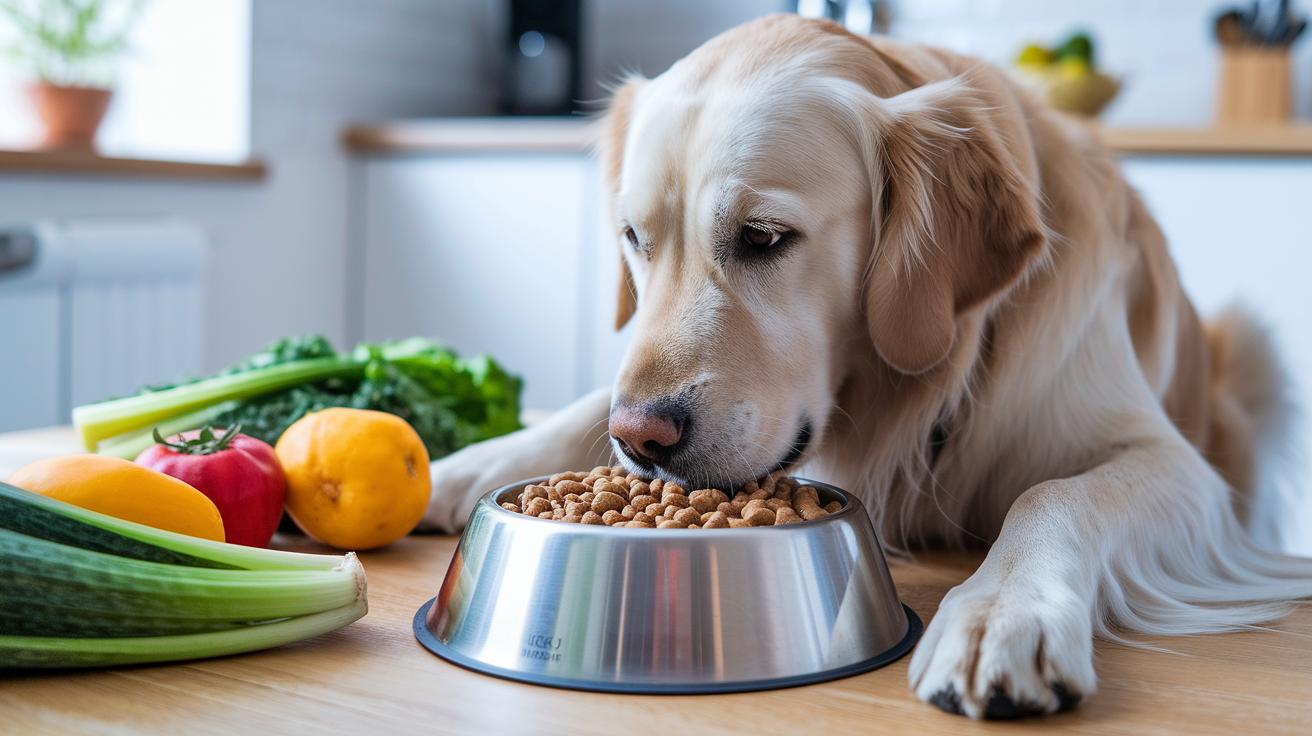
When it comes to keeping your pet lean and happy, a balanced weight-management formula is key. It brings together the right mix of ingredients to help build muscle, manage hunger, and protect cells, all while gently lowering calories without cutting out vital nutrients. Imagine a recipe that uses protein-packed ingredients for muscle support, fiber for a satisfying feeling, antioxidants for cell care, and careful calorie control so your pet can stay active and healthy.
| Nutrient/Component | Role in Weight Management | Recommended Range |
|---|---|---|
| Protein | Keeps muscles strong and boosts metabolism. | High |
| Fiber | Helps pet feel full and supports digestion. | Moderate to High |
| Water | Hydrates your pet and reduces energy density (pet hydration and wellness tips). | Sufficient content in wet food |
| Antioxidants | Protects cells and supports overall health. | Balanced |
Each ingredient in these formulas plays a special role. Protein helps maintain strong muscles without adding extra fat, while fiber works to calm hunger and keep digestion running smoothly. Water, especially in wet foods, not only quenches your pet's thirst but also lowers the calorie count of meals, making them feel fuller longer. And antioxidants? They are like little defenders that protect cells from damage. When these components come together, they create steady progress in weight management, ensuring every meal makes for a healthier, more active life for your beloved companion.
Portion Control Guidelines for Pet Nutrition and Weight Management
Keeping your pet healthy starts with the right portions. Measuring food and treats accurately lets you balance calories with your furry friend’s daily energy. This careful routine helps avoid overfeeding and sets up a meal plan that really fits your pet’s body and life stage.
Here’s a simple way to get started:
- Weigh your pet to see how they're doing and check their body condition.
- Talk with your vet or follow their advice for daily calorie goals.
- Figure out each meal size by matching their calorie needs with the energy in the food.
- Use a kitchen scale to weigh dry food and measure wet food portions.
- Save treats for last, keeping them to about 10% of total daily calories.
- Write down what your pet eats each day and check in every two weeks to see if you need to adjust the portions.
Keeping an eye on these details makes a big difference. Regular checks and small tweaks help your pet stay active and avoid extra weight. Notice the change in their energy or body shape and adjust meal sizes as needed. It’s all about maintaining that healthy balance for a happy, energetic pet.
Choosing Healthful Ingredients in Pet Nutrition for Weight Management

Lean Protein Sources
When it comes to lean proteins, think yummy chicken or turkey that help keep your pet’s muscles strong during weight loss. They support a healthy metabolism without piling on extra fat. Lots of pet diets, like Royal Canin Veterinary Diet® Canine Satiety Support Dry, blend these proteins so meals stay hearty yet light.
Fiber and Prebiotic Ingredients
Fiber is a real game-changer. Ingredients such as psyllium, beet pulp, and inulin help keep your pet feeling full and happy by supporting smooth digestion. Imagine your pet savoring every bite while staying energized throughout the day, that’s what a fiber-packed meal can do!
Healthy Fat Profiles
Not all fats are off-limits. Fats from omega-3 and omega-6 (found in fish oil and flaxseed) work to reduce inflammation. They’re great at keeping a pet’s coat shiny and healthy, and they help control how many calories get into that meal, all while keeping it nutritious.
Functional Additives
Additional goodies like antioxidants (vitamins E and C) and friendly joint-support compounds add some extra benefits to each meal. These helpful ingredients protect cells and keep joints comfy when your pet is on the move, making every bite both tasty and beneficial.
Feeding Schedule and Activity Pairing in Pet Nutrition for Weight Management
Meal Frequency Recommendations by Age
Puppies need 3 to 4 feedings a day to keep up with their lively energy bursts. Adult pets do great with 2 well-timed meals, giving them steady energy without too much extra food. Senior pets usually do better with 2 smaller meals so their slower tummies aren’t overwhelmed. Think of mealtime as a dependable clock, each feeding is a chance to refuel before your pet plays or relaxes. Picture your young pup patiently waiting for that next delicious bite while your older buddy enjoys a lighter dish that’s easier to digest.
Activity Pairing Guidelines
Team up meals with a bit of exercise to help your pet burn energy and maintain a healthy weight. A brisk walk of 15 to 30 minutes after eating can get the metabolism moving and aid digestion. For example, a gentle stroll after dinner not only burns a few extra calories but also deepens the bond between you and your pet. If your furry friend prefers staying indoors, set aside time for playful activities about 3 to 5 days a week. And for older pets, low-impact exercises like gentle stretches work best. Choose activities that match their age and energy so every move feels safe and fun.
Specialized Diets and Supplements in Pet Nutrition for Weight Management
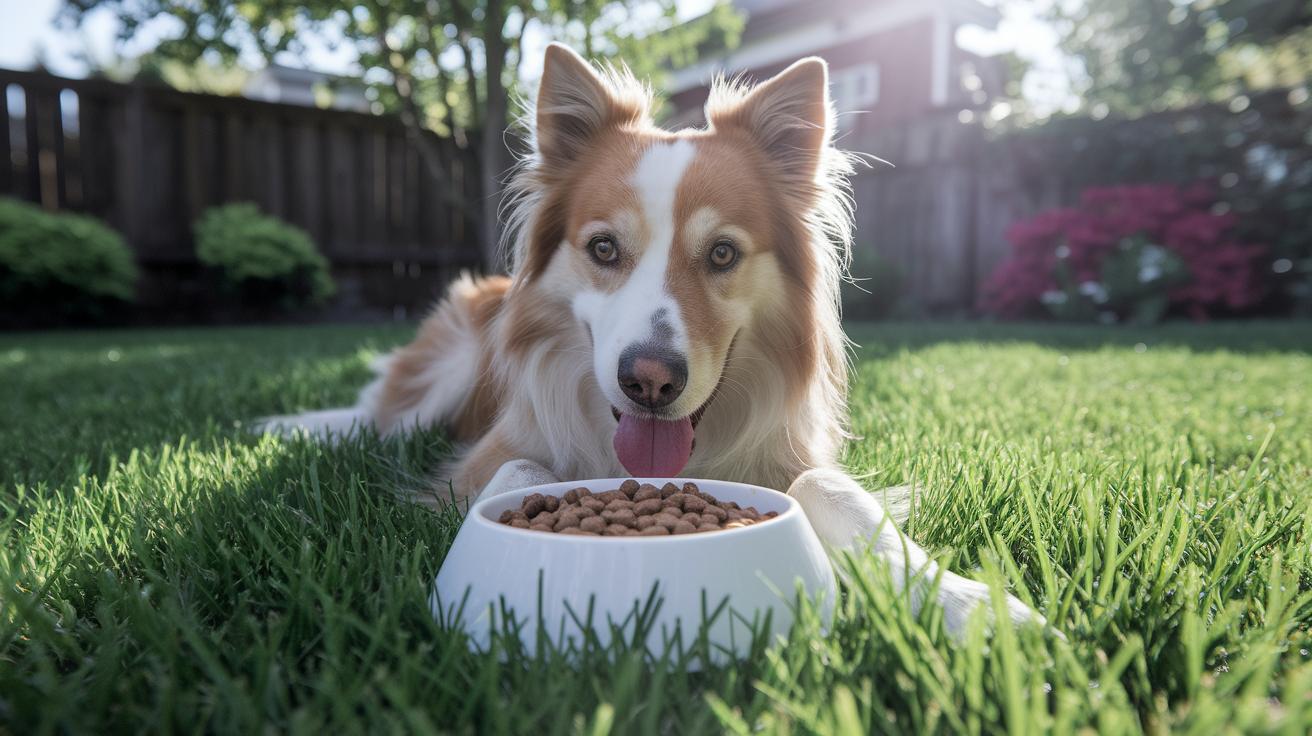
Prescription diets are a trusted way to help your pet reach and stick with a healthy weight. They’re created with a vet’s guidance to pack in all the right nutrients (like vitamins and minerals that boost daily energy) while keeping the calories low. It’s a gentle, balanced way to support your fur buddy’s overall well-being.
- Royal Canin Veterinary Diet® Canine Satiety Support Dry – loaded with fiber to help your pet feel full.
- Hill’s Prescription Diet Metabolic Dry – designed with just the right energy density for slow, steady weight loss.
- Hill’s Prescription Diet Metabolic + Mobility Wet – offers joint support along with calorie control.
With a personalized plan, you may notice a few changes in a few months, especially for dogs with just a bit of extra weight. However, if your pet has more to shed, it might take several months of consistent effort. Keeping your vet in the loop is key, they can tweak the plan as your pet’s needs change to keep everything on track.
Alongside these special diets, certain supplements can give that extra push. For example, L-carnitine helps kick your pet’s metabolism into gear (it basically helps burn fat for energy), while fish oil provides essential fatty acids that support muscle health and keep skin in great shape. Together with a structured diet, these supplements can help your pet lose weight gradually without losing precious lean muscle.
It’s all about a thoughtful, steady approach that respects your pet’s unique needs and gets them feeling their healthiest, one vet visit and meal at a time.
Final Words
In the action, this article recaps smart meal planning, careful portion control, and choosing healthful ingredients that work together to support pet nutrition for weight management. We covered balanced diets, the value of key nutrients, and the benefits of pairing feeding with active play. Each tip builds on trustworthy studies and expert advice, offering simple steps that help keep pets lean and lively. Every strategy shared here is designed to make mealtime enjoyable while supporting a healthy, happy life for your furry friend.
FAQ
What is the best pet nutrition for weight management?
The best pet nutrition for weight management features a balanced diet with lean proteins, fiber, and limited fats paired with regular exercise to help your pet maintain a healthy weight.
What dog food options work best for weight loss?
Dog food for weight loss generally includes vet-recommended formulas that are low in calories yet high in fiber and protein, which help your pet feel full while gradually shedding excess weight.
How do I put my dog on a diet for weight loss?
Putting a dog on a weight-loss diet involves starting with accurate portion control, switching to calorie-controlled foods, and adding regular, gentle exercise—all under your veterinarian’s guidance.
How much should I feed my dog to lose weight?
The feeding amount needed for weight loss is determined by your dog’s weight and energy use. Use a dog food calculator to set the right portions and create a proper calorie deficit.
Can homemade dog food be used for weight loss?
Homemade dog food for weight loss can work well if you balance lean proteins with vegetables and grains to cut calories while keeping nutrition sound. Always check with your vet before switching diets.
How should I feed an overweight dog?
Feeding an overweight dog means practicing strict portion control by measuring meals and limiting treats, following veterinary guidelines to gradually reach a healthier body condition.