
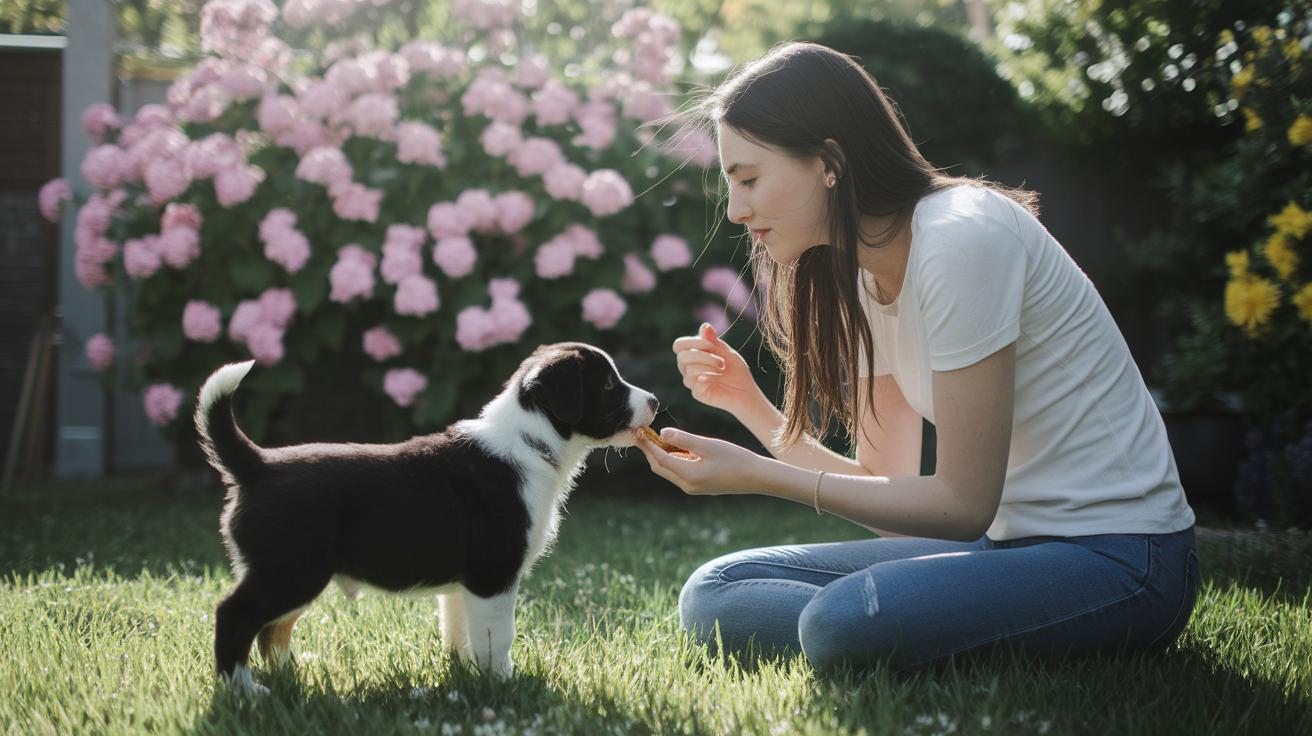
Ever wonder if treating your pet like a friend can lead to better behavior? Gentle pet training uses kind words and yummy treats to guide your buddy without causing stress or fear. Picture your furry pal lighting up with pride after following a soft cue, a reward that feels more like warm affection than strict discipline. This approach builds trust day by day, turns learning into a fun little adventure, and leaves you both smiling. In truth, showing a little extra kindness really does make all the difference.
How gentle pet training techniques satisfy your need for humane behavior coaching
Gentle pet training uses a friendly mix of treats and kind words to guide your pet without causing stress or fear. It’s all about rewarding good behavior and building trust together. Think about how your furry friend lights up when they follow a command and get a little treat, it shows that learning can be fun and safe.
By using clear signals like a soft click or a simple verbal cue, your pet quickly learns which actions earn a reward. When everyone in your home uses the same signals, your pet finds it easier to understand what’s expected. Each training session is filled with warm encouragement, so your pet feels secure and happy during learning time. This relaxed approach helps your pet link learning with enjoyable experiences.
- It rewards good behavior with treats and praise.
- Everyone staying consistent makes it clear for your pet.
- The process keeps things safe and minimizes stress.
- It builds trust through kind, everyday interactions.
- Clear cues help your pet know exactly what’s being celebrated.
Using these friendly techniques, gentle training not only teaches commands but also boosts your pet’s confidence and eases any worries. With every session, your furry companion becomes more engaged, and you'll enjoy the company of a well-mannered friend who truly trusts you. This humane method brings compassionate, caring training into your daily life, like a warm conversation with a beloved friend.
gentle pet training techniques: Kind results that last
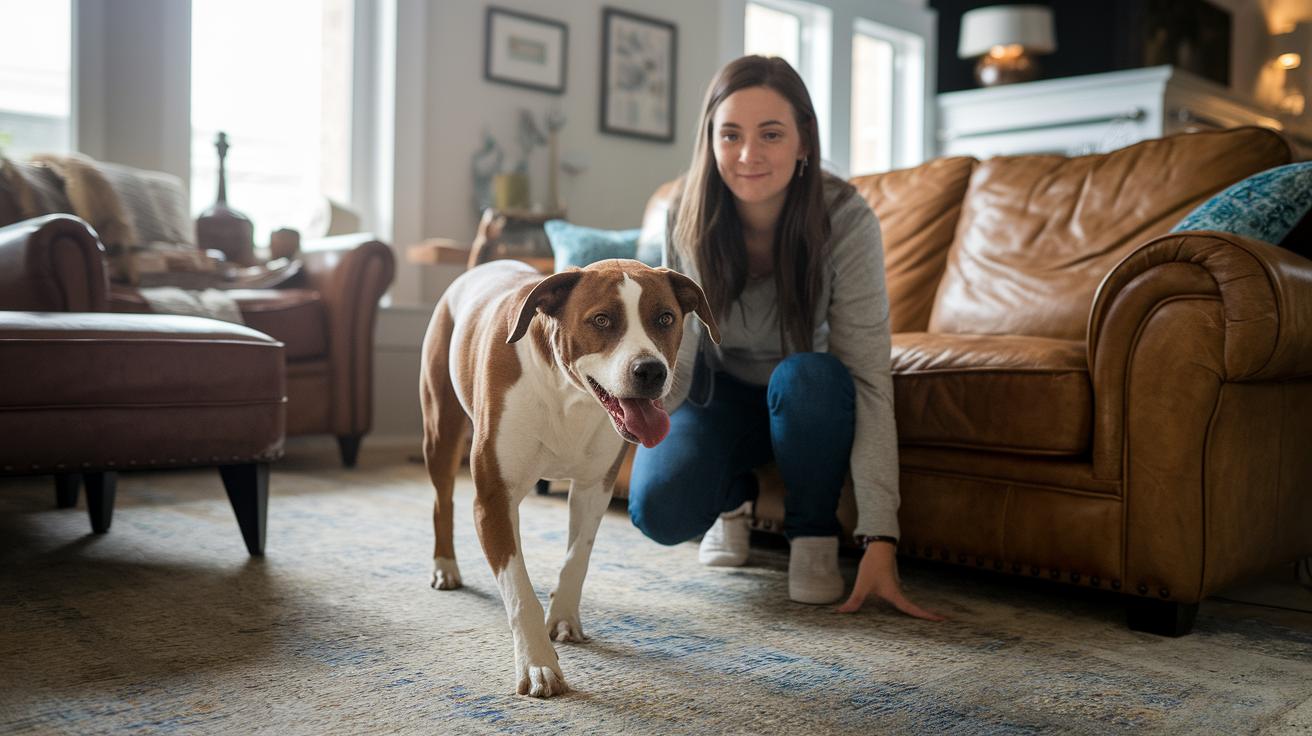
When you use kind, gentle methods for pet training, you're helping your furry friend learn with ease. These techniques show your pet love while giving clear lessons without stress.
One simple tool is clicker training. When you press the clicker at the right moment, it's like saying, "Great job!" and then you treat your pet right away. This clear timing makes learning fun.
Treat-based luring is another easy way to teach your pet. You let a tasty treat guide them to the right spot. Imagine your pet's nose lighting up as they follow the treat to do something good.
Another trick is to use verbal markers. Try using a word like "Yes" each time your pet does a job well. That consistent sound builds their confidence and lets them know they're on the right track.
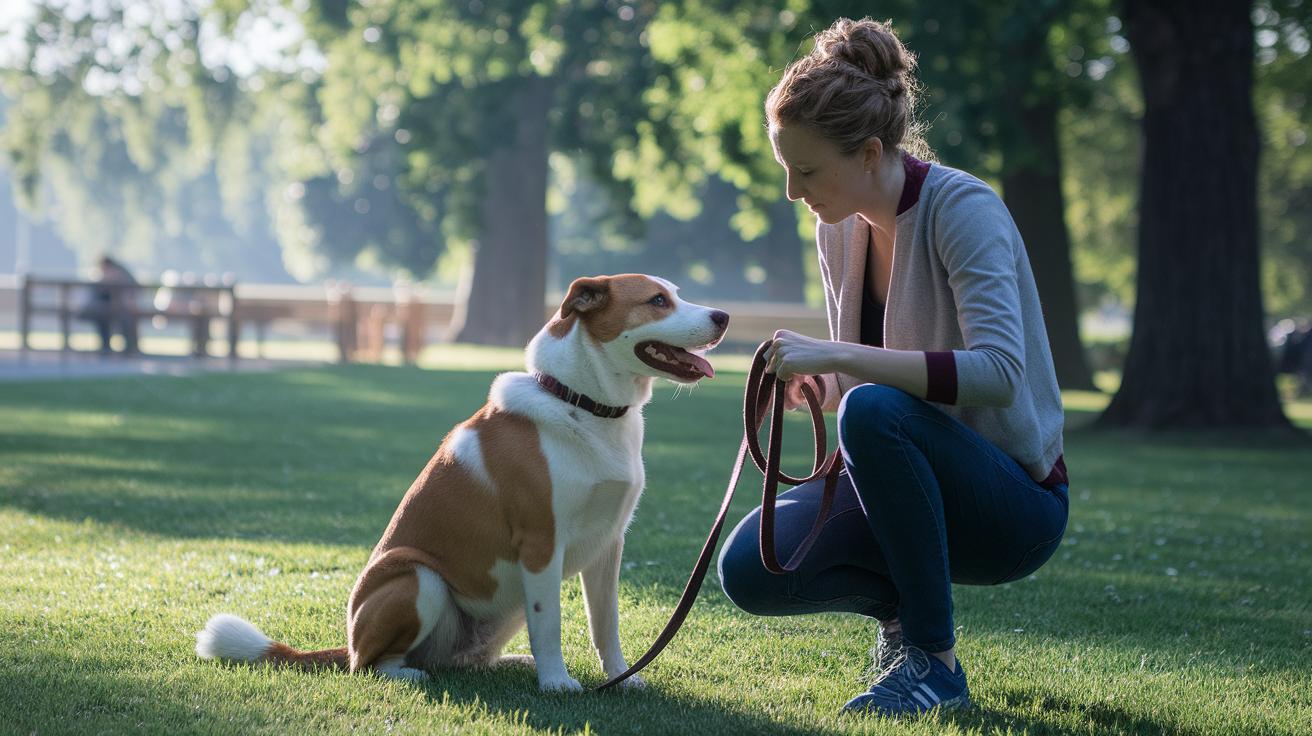
Finally, gentle leash guidance works wonders too. A light touch on the leash helps steer your pet without any pressure. This keeps walking and learning fun and calm.
Every pet is different. Find the method that fits your pet’s personality best. Try out these techniques in a relaxed setting and watch how naturally your pet learns. Isn't it wonderful when training feels like a warm conversation between friends?
Building trust and confidence with gentle pet training techniques
Building trust is the starting point for any pet training session. When your pet feels safe and understood, learning becomes a fun adventure. A little praise for their small successes and a gentle nudge when they slip makes all the difference. Every moment together is a chance to show how much you care.
A quiet, distraction-free spot in your home works best for training. It doesn’t have to be fancy, just a cozy place where your pet can focus on you. Keep the sessions short, around five minutes or less, so your furry friend doesn’t feel overwhelmed. This relaxed pace makes every training moment enjoyable and stress-free.
Over time, these short, playful sessions build a strong bond. I once worked with a rescue dog who felt very anxious at first. Gradually, in a calm space with lots of praise for tiny victories, that fear turned into confidence and excitement. This gentle, step-by-step approach not only helps with behavior but also deepens the loving connection between you and your pet.
Addressing common pet behavior issues with gentle training techniques
Housebreaking Accidents
When it comes to housebreaking, it's all about routine. Take your pet out on a regular schedule. When they go outside, offer lots of praise or a small treat right away. This helps them learn that going outside is what you expect. Patience matters here, each little win builds a positive habit. For extra help, check out House training a puppy with pads.
Excessive Barking
If your pet barks too much, try using a "Quiet" cue. When your pet stops barking, immediately give a treat or a kind word. This quick reward shows them that being quiet is a good thing. It’s a simple way to shift their focus from barking to a calm mood.
Chewing
Pets often chew when they're bored or feeling nervous. The trick is to have approved chew toys handy. When you see your pet going for the right toy instead of something they shouldn’t, cheer them on. A little praise goes a long way in encouraging the right behavior. Over time, unwanted chewing will fade away.
Reactivity and Biting
Reacting with biting or sudden outbursts can be softened with gentle training. Start by exposing your pet to small, mild triggers and slowly build up the intensity. A calm tone and a gentle touch help remind them they’re safe. When your pet stays calm, give them a treat to reinforce that calm state. Keep an eye on what works best and adjust your approach as needed. With steady practice, you'll see your pet grow more confident and relaxed.
Essential equipment and resources for gentle pet training techniques
When you’re setting up for gentle pet training, it all starts with the right gear. Grab a few key items that help keep your sessions fun and stress-free. Keep a treat pouch nearby so you can quickly reward good behavior. A six-foot leash paired with a flat collar or harness lets you guide your pet safely. A clicker helps mark those perfect moments, and a training mat offers extra comfort indoors. Avoid using tools like prong collars since they might make your pet feel uneasy. Each tool plays its part in making training enjoyable and effective for both of you.
Next, tap into the wealth of resources available to boost your training skills. Explore expert articles, watch video demonstrations, or join community groups where fellow pet lovers swap tips and share success stories. These resources give you simple, step-by-step advice and help tackle any challenges that pop up. With every session, you’ll see your confidence grow and your bond with your pet strengthen in a nurturing, happy space.
Consistency and patience in gentle pet training techniques
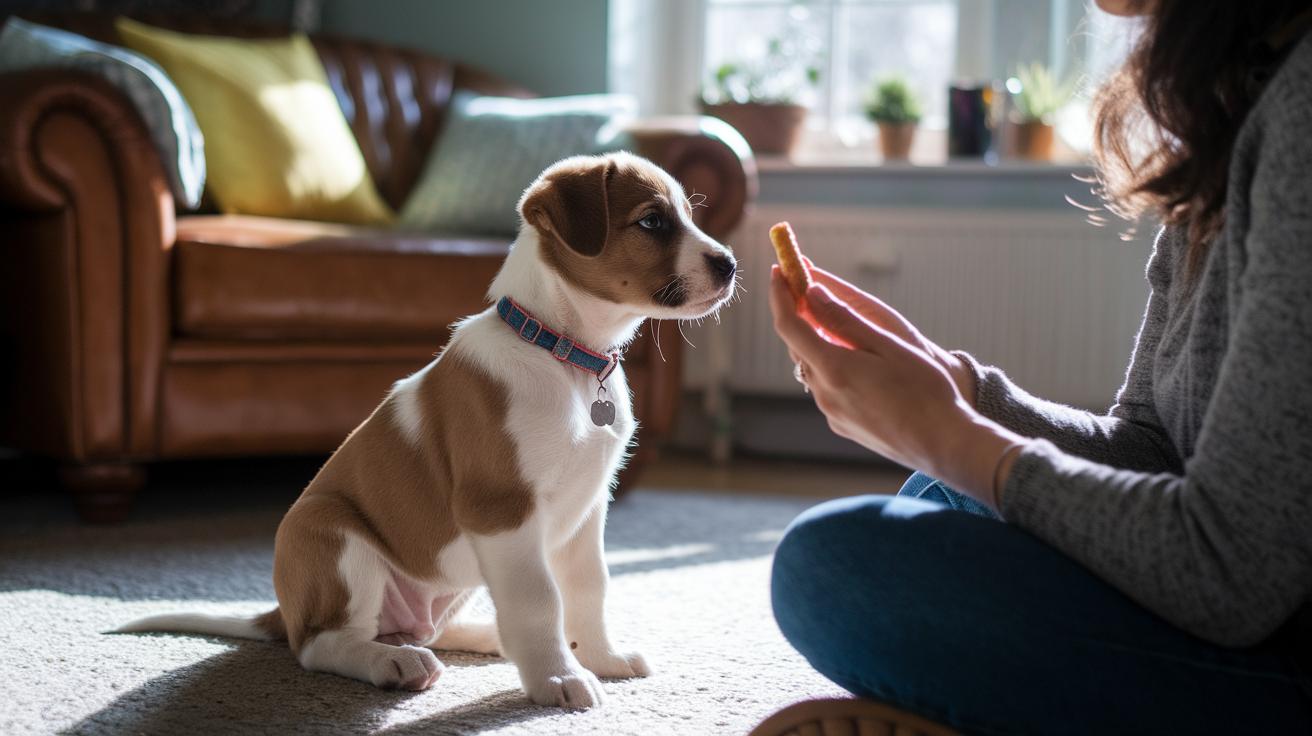
Short, regular training sessions are the perfect way to build a strong foundation for gentle pet training. Start with simple commands when your pet is around 8 weeks old so they can get used to basic cues. By 16 weeks, when your pet learns to hold their bladder, you’ll see a very important step in their development. As your furry friend grows into adolescence (from 6 months to 2 years), daily sessions keep training fun and relaxed for both of you. When everyone in your home uses the same words and timing, your pet feels more confident and the whole process stays calm.
Suggested gentle training schedule
| Stage | Age Range | Focus & Frequency |
|---|---|---|
| Puppies | 8–16 weeks | Daily crate and housetraining sessions |
| Adolescents | 16–24 weeks | Daily practice with basic commands and socialization |
| Adults | More than 6 months | Refresher sessions 2–3 times a week |
Paying close attention to your pet’s progress is really important when training. If a new command seems tough or your pet gets distracted during a session, it’s perfectly fine to slow things down a bit. Keeping training sessions short not only makes them easier to handle, but also helps create a calm and positive atmosphere where your pet can learn new skills and build trust with you.
Final Words
In the action, we explored how gentle pet training techniques help your pet learn through clear, kind cues and reward-based methods. We broke down easy steps like clicker training and treat-based luring while showing how to use essential gear and build trust with your furry friend. These techniques reduce stress and create a nurturing space for positive behaviors. Embrace this simple approach and watch your pet flourish, every small success adds up to a happier, healthier bond.
FAQ
Q: What are gentle pet training techniques for dogs and puppies?
A: Gentle pet training techniques for dogs and puppies involve using rewards like treats and praise instead of harsh corrections. They help create a friendly and stress-free learning environment for your pet.
Q: How can I train a dog at home using gentle methods?
A: Training a dog at home with gentle methods means using short, fun sessions with clear cues and rewards. This approach encourages good behavior and builds a strong bond without stress.
Q: What is the 10 10 10 rule for puppy training?
A: The 10 10 10 rule for puppy training refers to using focused 10-minute sessions, 10 repetitions of a command, and giving rewards within 10 seconds to reinforce learning effectively and humanely.
Q: What is the most humane way to train a dog?
A: The most humane way to train a dog uses positive, reward-based techniques that emphasize trust and gentle guidance. This approach avoids punishment and helps your pet feel safe and valued.
Q: What are the three C’s of dog training?
A: The three C’s of dog training usually mean consistency in commands, clear communication with signals, and compassion through steady, kind reinforcement to promote positive behavior.
Q: What is the 3 second rule in dog training?
A: The 3 second rule in dog training means you give immediate feedback—within about three seconds—to help your pet link the action with the reward, keeping learning clear and effective.