

Have you ever thought that mixing regular vet check-ups with gentle natural treatments could make your pet feel even better? Caring for a diabetic pet isn’t just about insulin shots or pills. Imagine pairing these treatments with a meal packed with high-fiber foods and mild herbal aids (simple plant helpers that soothe and support your pet’s body). This thoughtful blend helps with everyday symptoms and adds a boost of lasting vitality. When you combine these approaches, you might just find new hope for managing pet diabetes while keeping your furry friend happier and healthier.
Integrative Holistic Framework in Pet Diabetes Management
Taking care of a diabetic pet isn’t just about one treatment, it’s about blending regular medicine with natural, whole-body methods. For example, when you give your pet insulin shots along with herbal helpers, a diet full of high-fiber foods (which can help steady blood sugar), and a plan to keep them at a healthy weight, you’re offering a well-rounded care plan that supports their hormones (that’s the part of the body that makes important chemicals). Imagine your furry friend enjoying their meal while knowing they’re getting the best of both worlds.
This caring approach not only tackles immediate symptoms but also works on long-term wellness. It helps address things like swelling, a balanced tummy, and steady hormone levels. Regular blood sugar checks are key here. By keeping an eye on those levels, both your regular vet and any holistic vet can adjust your pet’s plan to fit their needs perfectly. Isn’t it reassuring to know that you’re working together for your pet’s health?
A sample strategy for this kind of care might include:
- Insulin injections paired with a diet made from whole-food, low-sugar (low-glycemic) ingredients.
- Measured herbal supplements, such as a little cinnamon or fenugreek, which are known to help the pancreas work better.
- A weight-management plan that keeps your pet in good shape and makes it easier on their hormone system.
Many pet parents find hope in this combined way of looking after diabetes. Some pets even show signs of getting much better when these methods work together. With the help of holistic supplements and careful progress checks, your pet’s care can adapt as they grow and change. It’s a thoughtful mix of art and science that nurtures a healthier, happier pet every day.
Nutritional Adjustments in Holistic Pet Diabetes Care
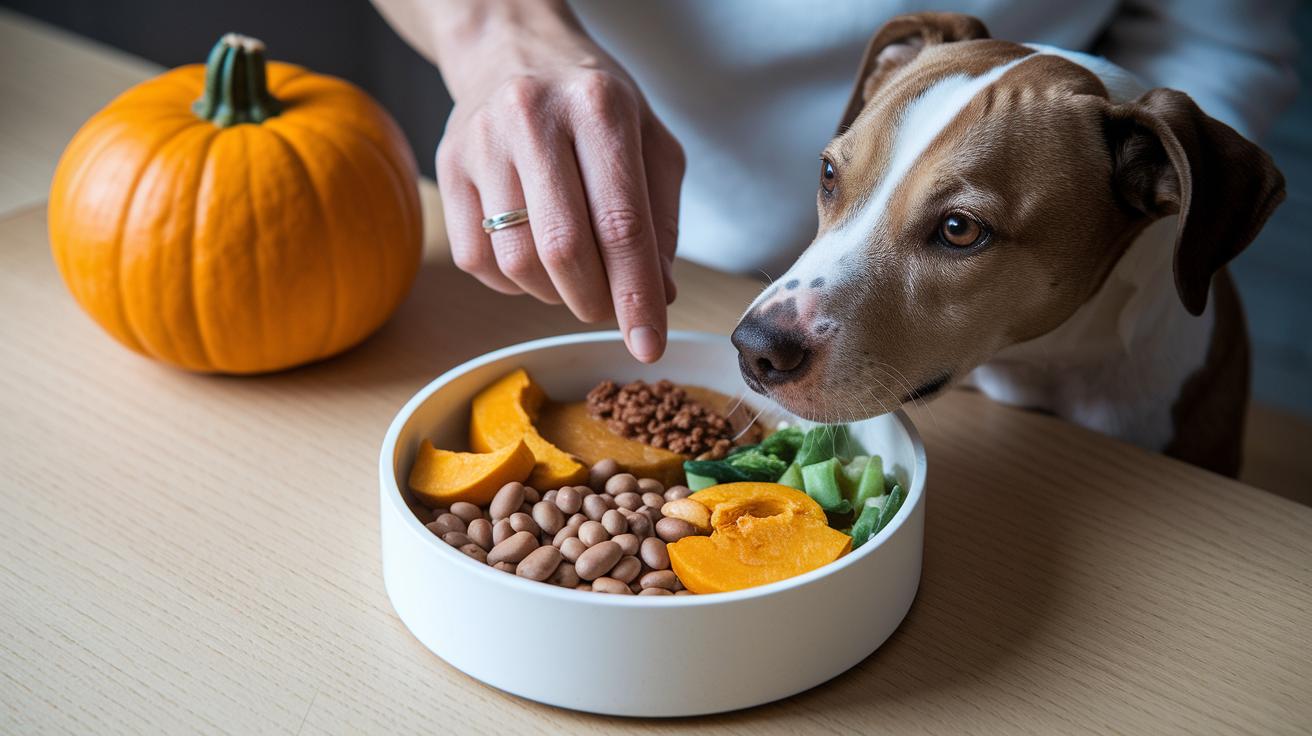
Food is a strong ally when managing your pet's diabetes the natural way. Simple, whole foods that pack high fiber and keep sugar low help even out blood sugar. Think of pumpkin (a soft, easily digestible veggie) or some beans, they work gently to balance insulin. You could try stirring a spoonful of cooked pumpkin into lean protein for a meal that's both tasty and healthful.
Raw feeding is another cool option. Fresh lean meats paired with crisp vegetables might boost your pet's ability to use insulin better. When you whip up a homemade meal, it helps to balance protein, fat, and fiber carefully. Portion control and sticking to regular feeding times work together to keep blood sugar steady all day. Imagine serving a dish where half is fresh veggies, a quarter is lean protein, and the remaining quarter is a complex carb, this mix helps your pet get consistent energy.
For busy pet parents, natural commercial pet food is a handy choice too. These formulas, whether wet or dry, are packed with essential vitamins, extra nutrients, and even herbal blends to support your pet's overall health. I once switched my pup to a formula made with whole ingredients and noticed a much calmer energy level. It’s the little changes that make a big difference in keeping blood sugar in check.
Mixing your own recipes with reliable commercial products turns mealtime into a loving routine that supports your pet's diabetes care. This combo helps ensure your furry friend enjoys nutritious meals that naturally aid in keeping insulin levels balanced and their body in tune.
Herbal Supplementation and Botanicals for Pet Diabetes Support
Have you ever heard how a sprinkle of cinnamon and bitter melon can help even out a pet's blood sugar? One pet's levels got much more steady after a little dash of these herbs was added to its daily routine. These natural helpers work with your pet’s body to support the pancreas (the little organ that helps control sugar) and boost insulin sensitivity.
Using essential oils like lavender and frankincense can round out this herbal approach. When diffused in the air or gently applied with proper dilution, they help reduce stress from oxidation (a kind of damaging process in cells). It’s like giving your pet a refreshing spa day at home, one that many pet parents have found really works well in balancing sugar levels naturally.
If you're thinking about trying these botanicals, start small. Keep an eye on your pet’s blood sugar and watch for any interactions with insulin or other medicines. It’s always best to chat with a vet who has some know-how about herbal remedies. With a bit of careful testing and regular tweaks, these sugar-lowering botanicals can be a great complement to more traditional treatments, giving you a hopeful, natural way to care for your pet’s diabetes.
Alternative Therapies in Holistic Pet Diabetes Management

Acupressure is a gentle way to support your pet’s pancreas and digestion. By applying soft pressure at the Stomach 36 point, you can give your furry friend a little nudge toward a healthier insulin response. It’s a natural, caring method that fits right into a holistic plan.
Veterinary homeopathy also shows promise in balancing sugar levels. Remedies like Phosphoricum acidum and Lycopodium are chosen based on your pet’s specific symptoms (these are natural substances that help regulate bodily functions). It’s all about fine-tuning the treatment to suit your pet’s needs.
Mind-body therapy adds a soothing layer to the mix. Imagine playing calming music or spending a few quiet minutes with guided gentle touch. These sessions can help lower stress hormones that might otherwise cause unexpected sugar spikes. Have you ever noticed how a little peace can brighten your pet’s day?
Energy healing practices, such as Reiki and Tellington TTouch, work to boost circulation and encourage relaxation. These hands-on therapies complement other treatments beautifully, helping to enhance overall well-being.
- Acupressure gently activates key energy points to support balance.
- Veterinary homeopathy uses targeted natural remedies to address specific symptoms.
- Mind-body therapy eases stress, aiding in smoother sugar regulation.
- Energy healing enhances circulation and invites relaxation.
Each of these methods offers a non-invasive way to support your pet’s health along with standard treatments. They bring hope and a natural boost to your pet’s overall well-being, making it easier to manage diabetes with a compassionate touch.
Lifestyle, Fitness, and Environmental Enrichment in Pet Diabetes Care
Taking your pet on short, low-key walks or engaging in playful sessions can do a lot for their insulin sensitivity and overall weight. Regular activity boosts those happy endorphins and helps keep blood sugar levels steady. Keeping a routine for meals, exercise, and rest makes a big difference in avoiding sudden changes in glucose. Imagine your pet happily looking forward to daily outings, exploring new scents, and enjoying a bit of play, it's a simple routine that really helps balance their body.
A thoughtful weight management plan targets a healthy rating of about 4 to 5 on a 9-point scale, which eases stress on their inner systems. This could mean gentle play sessions or leisurely walks around your neighborhood, turning mealtime and activity into a fun, everyday habit. Plus, adding environmental enrichment like new toys or a trail of scents not only entertains them but also helps lower stress by reducing cortisol levels. These fun additions work hand in hand with regular exercise to keep glucose levels more predictable.
- Short walks boost endurance and help regulate insulin.
- New toys and scent trails spark curiosity and keep stress levels steady.
Monitoring and Veterinary Coordination in Holistic Pet Diabetes Programs

Every day or every other day, checking your pet’s blood sugar can really help guide their care. These routine tests let you and your vet adjust meals, supplements, and insulin levels with ease. Modern digital tools make tracking blood sugar simpler and less stressful, while gentle, non-invasive methods ensure your pet feels safe and calm.
Staying close with your vet is key to a natural pet diabetes plan. Regular appointments every three to six months help check important things like kidney and liver health, so you can update the care plan as needed. Annual wellness panels catch potential issues early, helping you stay one step ahead.
Keeping clear records and open communication makes all the difference. Tracking trends digitally and using frequent observations allows you to honor your pet’s unique response to a whole-body approach. In this way, managing pet diabetes turns into a proactive partnership between you, your vet, and the natural therapies that keep your furry friend feeling their best.
Final Words
In the action, we explored combining insulin support with dietary tweaks, herbal supplements, and even acupressure. We broke down how everyday meals, gentle exercises, and environmental enrichment each play a part in balancing your pet's sugar levels. Collaborative care with your vet tailors these strategies perfectly to your pet's needs. Embrace these holistic approaches for managing pet diabetes for a more natural, balanced path to well-being and lasting pet happiness. Enjoy every small victory along the way!
FAQ
How can holistic approaches help manage or even reverse diabetes in dogs naturally and without solely relying on insulin?
The question about managing dog diabetes naturally is answered by combining diet changes, herbal supplements, weight management, and exercise with regular vet monitoring. These methods can improve control, though many dogs still require insulin.
What are the signs that a dog with diabetes may be nearing a life-threatening stage?
The question concerning signs of a dying diabetic dog involves symptoms like severe lethargy, loss of appetite, dehydration, and labored breathing. These signals need immediate veterinary care.
How can a dog’s blood sugar be lowered quickly in a safe manner?
The question about quickly lowering a dog’s blood sugar is best addressed by working with a vet to adjust insulin dosages, boost dietary fiber, or modify a treatment plan while closely monitoring changes.
What kind of dog food is recommended for a diabetic pet?
The question on diabetic dog food suggests diets that are high in fiber and low in glycemic ingredients, using whole-food recipes or commercial formulas to help stabilize blood sugar and support overall well-being.
How do I find a holistic vet near me?
The question about finding a holistic vet means looking for professionals trained in both conventional and natural therapies. Local pet owner groups and trusted online directories can help locate a caring expert nearby.
What is diabetes insipidus in dogs and how does it differ from regular diabetes?
The question about diabetes insipidus in dogs explains that this condition causes excessive thirst and urination due to hormone imbalances, making it distinct from diabetes mellitus. It requires its own specific diagnosis and treatment.
How can feline diabetes be treated using natural methods?
The question on treating feline diabetes naturally involves adjusting the cat’s diet, managing weight, and possibly adding natural supplements. Such changes should be carefully monitored by a vet to ensure proper care.
What herbs are beneficial for a dog with diabetes?
The question regarding useful herbs for diabetic dogs highlights options like cinnamon, fenugreek, and bitter melon to support insulin sensitivity. Always use these herbs under the guidance of your veterinarian for safe dosing.