

Have you ever thought that your pet might feel even better with a smart meal plan? Many pet parents sometimes miss out on serving foods that feed both body and mind. This guide walks you through easy steps, like checking ingredient quality and balancing nutrients (those are the key vitamins, minerals, and proteins your pet needs), so you can create a care plan that fits your furry buddy just right.
With this friendly checklist for natural, wholesome meals, you can set up a feeding routine that boosts your pet’s energy and lifts their mood. Imagine mealtime turning into a joyful, relaxed moment for both of you.
Key Components of a Holistic Pet Diet Planning Checklist
A well-thought-out pet diet checklist keeps our furry friends feeling both physically and emotionally great. It helps you pick natural whole foods that nourish your pet without any unnecessary fillers.
This simple guide makes it easy to create a balanced meal plan that truly meets your pet's needs. It covers important steps like:
- Checking the quality of each ingredient
- Making sure nutrients are balanced (so your pet gets all the vitamins and minerals they need)
- Setting up a regular feeding schedule
- Figuring out the right portion sizes
- Planning a gentle switch to new foods
- Deciding when and what supplements to add
- Keeping an eye on progress with a review plan
Bringing these steps together gives you a clear, step-by-step plan to improve your pet’s diet. With this guide, you can confidently adjust meal portions, gradually introduce new ingredients, and add supplements exactly when needed. This friendly, well-rounded approach not only helps reduce tummy troubles but also boosts your pet’s overall quality of life while setting you up for a long-lasting, healthy nutrition strategy.
Natural Ingredient Review Table for Holistic Pet Meals
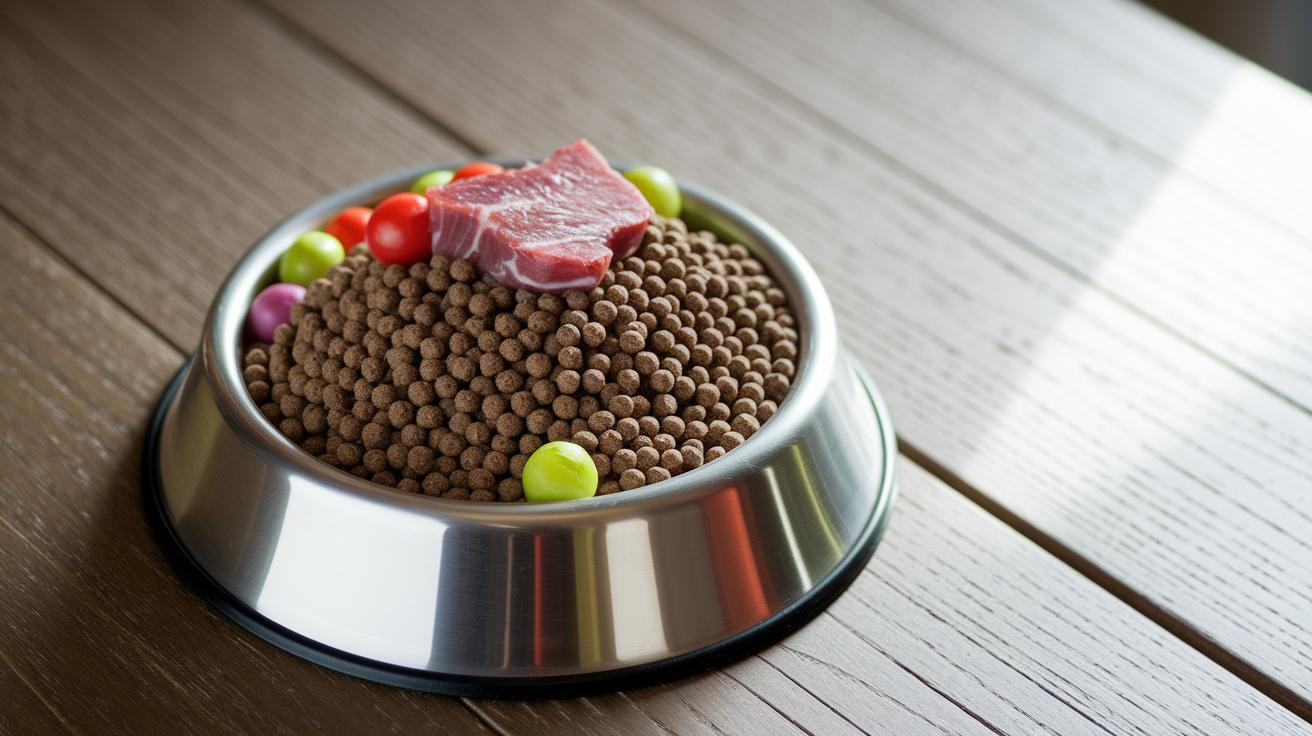
Holistic pet meals thrive on natural ingredients that keep your furry friend feeling vibrant. Fresh organic muscle meat delivers a hearty burst of protein for energy and repair, while a dash of organic organ meat (about 10% of the total weight) brings along essential vitamins and minerals. Whole grains and seasonal vegetables add fiber, vitamins, and antioxidants to create a balanced dish. Plus, probiotics with over eight strains and at least 50 million CFUs help support a healthy tummy, and a mix of vitamin, mineral, and calcium supplements fills any nutritional gaps. All of these natural components come together to form a toxin-free, wholesome meal plan that boosts your pet’s everyday vitality.
| Ingredient | Benefit | Recommended Proportion |
|---|---|---|
| Organic Muscle Meat | Offers top-notch protein for energy and repair | 1/3 to 1/2 of the meal |
| Organic Organ Meat | Packed with essential vitamins and minerals | Approximately 10% of meat weight |
| Whole Grains | Supplies fiber and steady energy | 1/3 or 1/4 of the meal |
| Seasonal Vegetables | Brings natural vitamins and antioxidants | 1/3 or 1/4 of the meal |
| Probiotics | Boosts healthy digestion and gut support | Over 50 million CFUs |
| Vitamin/Mineral & Calcium Supplements | Prevents nutrient gaps (like missing taurine or calcium) | As recommended by pet size |
Remember, these proportions may need a tweak based on your pet's age, size, and activity level. Smaller or older pets might just need a gentler balance, while bigger, more energetic animals could benefit from a bit more protein. Take it slow, try small changes, and have a chat with your vet to find the perfect mix that suits your pet’s unique needs.
Step-by-Step Pet Food Planning Guide in Your Holistic Checklist
Changing your pet’s food doesn’t have to be hard. A clear plan goes a long way in keeping your furry friend happy and healthy, with minimal tummy troubles along the way.
First, set meal times and stop free-feeding. Sticking to specific meal times helps your pet’s digestion and sets up a great start for the new diet.
Next, slowly mix in the new holistic food. Start with a blend of 1 part new food to 4 parts old food for about three to four days. This gentle switch gives your pet’s stomach time to adjust.
Then, over one to two weeks, gradually increase the fresh food. Moving slowly helps avoid any stomach upset and keeps your pet comfortable throughout the change.
Finally, once your pet is used to the new diet, add a little variety to meals. Mixing in different flavors can make mealtime more interesting and keeps your pet’s routine lively.
Always keep an eye on changes in appetite, the look of their stool, and overall behavior. This simple check will show you that the plan is working and your pet is doing well with their new, wholesome food.
Portion Control and Scheduled Feeding Routines for a Holistic Pet Diet Planning Checklist
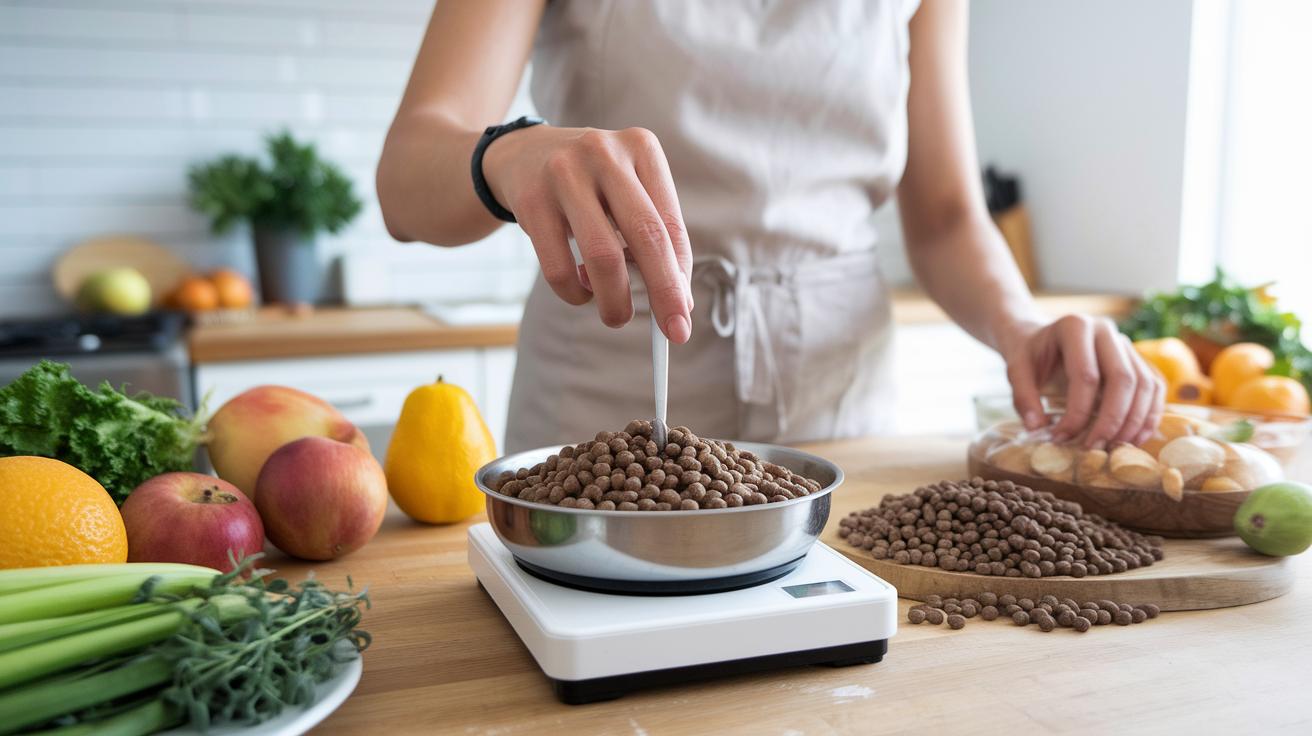
Start by figuring out how much food your pet should get. Use about 2 to 3% of your pet's body weight, so if your furry friend weighs 20 pounds, work out the food amount based on that number. Instead of leaving food out all day, serve measured meals so you know exactly what they’re getting.
Next, create a routine by splitting the daily food into two to four meals. This regular schedule does wonders for digestion and can even help with managing behavior and weight. It’s like having little dining moments that make both you and your pet happy.
Finally, keep track of what your pet eats using a simple feeding journal or an app. Write down details like the date, meal time, and portion size. Noticing changes in appetite or weight can help you decide if you need to tweak the amount. Have you ever found that a few small notes make all the difference?
Homemade Organic Pet Recipes and Supplement Integration in Your Holistic Checklist
Cooking homemade organic meals for your pet means you’re giving them the best start with whole, high-quality foods. When you make your pet’s food yourself, you control what goes into every dish. You ensure each bite is fresh and packed with nutrients that help boost energy, aid digestion, and support overall health. Plus, you might notice fewer sensitivities and a happier tummy.
Another smart idea is to use an online recipe tool that calculates ingredients by weight. These handy tools give you recipes tailored to your pet’s needs, letting you measure proteins, grains, and veggies perfectly. It’s like having a step-by-step guide that makes cooking both fun and consistent. Have you ever felt relieved knowing every ingredient is just right?
If you’re looking for a more flexible approach, the crock-pot method may be the answer. Start with a mix that’s one-third meat, one-third grains, and one-third vegetables, and add around 10% organ meat by weight. You can tweak the amounts if you notice changes during cooking. This slow-cook method gently blends the flavors while keeping the nutrients locked in, making it easier for your pet to transition from kibble to a fresh, natural diet.
Also, don't forget to include balanced supplements in your recipes. Adding vitamins, minerals, and calcium helps fill any nutritional gaps, like missing taurine or calcium. It’s a good idea to stir in a probiotic with more than eight strains and at least 50 million CFU to support your pet’s gut health during the change. And one more tip: when switching from kibble, start with 25% of the new diet for three to four days before going all in.
Resources and Veterinarian-Approved Tools for Holistic Pet Diet Planning Checklist
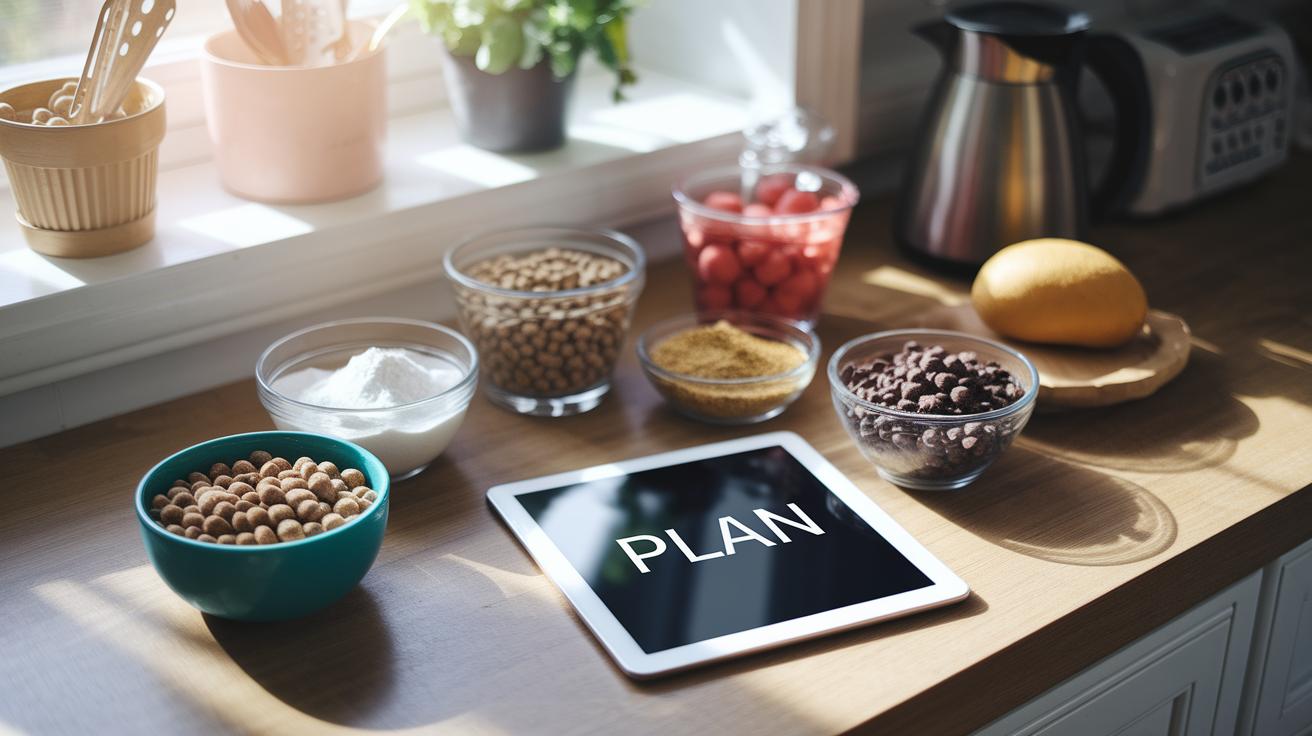
Expert digital tools and nutrient calculators take the hassle out of balancing your pet’s diet. They give you clear, easy-to-follow recipes that make sure your furry friend gets all the vitamins and proteins they need (think of it like having a friendly guide in your kitchen). Many of these handy templates are available for download, so you can quickly set up meal plans that match your pet’s unique needs. And if you ever worry about allergies or seasonal changes, integrative veterinary services are available from 9 am to 7 pm to lend a helping hand.
Planning templates let you sketch out every meal with simple, step-by-step guidance on portions and ingredient quality. Digital planners even turn your pet’s weight and activity level into just the right amount of food. By using these intuitive templates, you can watch how your pet’s diet evolves over time and tweak it just as needed. It’s like having a little plan in place that keeps your pet healthy and full of pep.
Talking with holistic veterinarians means every bite your pet eats is carefully checked over. These caring experts offer advice that fills any gaps and sprinkle in eco-friendly feeding tips that really work. Their insights make diet planning feel like a team effort, turning it into something effortless. Ever noticed how a balanced meal can make your pet’s tail wag a bit faster? It’s all about keeping things balanced and bright for your best buddy.
Final Words
In the action, we explored the essentials of a holistic pet diet planning checklist. We broke down ingredient quality, portion control, and structured feeding routines in a clear and practical way.
We also touched on recipe ideas, supplement integration, and the importance of gradual transitions for your pet’s overall well-being.
Combining expert advice, natural ingredients, and step-by-step guides, this holistic pet diet planning checklist helps you confidently support your pet’s health and happiness.
FAQ
What is a holistic pet diet planning checklist PDF?
The checklist PDF outlines a complete plan for your pet’s meals by listing ingredients, portion sizes, and feeding schedules to keep them healthy.
What does a feeding guide for dogs include?
The feeding guide for dogs explains meal timings, portion sizes, and nutrient balances to support a strong, active pup and help prevent overfeeding.
What is a Purina One feeding chart and how is it useful?
The Purina One feeding chart offers precise portion recommendations based on your dog’s weight and age to help maintain a balanced diet and consistent meal routine.
What should a healthy dog diet include?
A healthy dog diet includes high-quality proteins, whole grains, and vegetables, combined with a set feeding schedule to promote optimal energy and overall well-being.
What does a vet-recommended diet for pets involve?
A vet-recommended diet involves selecting safe, well-balanced foods designed to meet your pet’s specific needs while avoiding ingredients that may cause health issues.
How can I tell if my dog is at a healthy weight?
Your dog is at a healthy weight if you notice a defined waist, easily felt ribs, and a lively energy level, along with regular vet check-ups confirming its condition.
Are weight loss drugs for pets safe?
Weight loss drugs for pets are safe only when prescribed by a vet and used as part of a broader plan that includes proper nutrition and exercise.
How do you calculate the ideal weight for a dog?
Calculating your dog’s ideal weight involves comparing its body condition to breed standards, and often requires a vet’s evaluation to balance muscle and fat levels.