
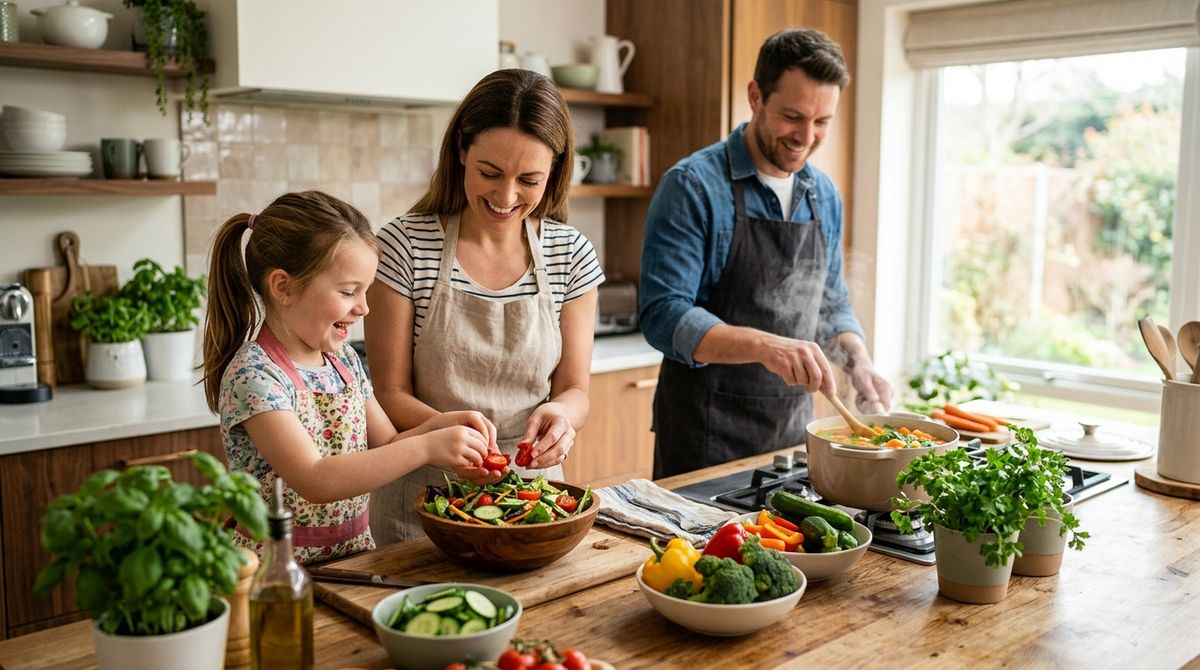
A home kitchen can feel chaotic when groceries pile up, leftovers disappear into the back of the fridge and dinner plans change every evening. Experienced home cooks often describe a few simple routines that brought calm to their weeks. They wish they had adopted those habits long before frustration pushed them to change.
This article offers general guidance on meal planning, food storage and reducing waste at home. It does not offer nutrition advice for specific health conditions. The ideas are flexible, so pick the ones that fit your household and your budget. Start with one habit and build from there, since small routines tend to last longer than large resolutions.
Plan Meals Around What Is Already Home
Start the week by checking the fridge, freezer and pantry before writing a shopping list. Readers may also want to visit 55 Money. Build three or four simple meals around ingredients that need using soon, such as leafy greens, bread or leftover cooked grains. Keep a few staple recipes that reuse the same ingredients in new ways. Plan one flexible night for leftovers or a quick improvised dish. A flexible slot in the week makes it easier to use up what is left.
This habit cuts duplicate purchases and makes the list shorter. Write the plan where everyone can see it, such as on a board near the door. Keep a note of meals that worked well so they can return to the rotation. Those notes become a personal recipe book over time. A plan built from real stock feels far more achievable than an ambitious menu. Start small and expand the plan only when the routine feels natural.
Store Food So It Lasts Longer
Good storage slows spoilage and keeps flavor intact. You can also visit quickstartmoneysite.com for more reading. Place newer items behind older ones so that older packages get used first. Keep cooked foods in shallow containers so they cool quickly and stay safe in the fridge. Let hot food cool for a short time before it goes into the fridge, so the appliance keeps working well.
Label containers with the contents and the day they were stored. A marker and a roll of tape cost very little and save a lot of guessing. Keep a simple chart that shows how long different foods keep. Check the fridge each week for items that need attention. A quick glance on the same day each week works well. Clear labels and visible shelves prevent much of the waste that happens quietly in the background. Good visibility turns forgotten food into an easy next meal.
Turn Leftovers Into a Fresh Meal
Leftovers do not have to be boring. For a related read on this site, see Packing Rechargeable Gadgets Without Surprises at Security. Roasted vegetables can become a frittata filling, cooked rice can join a soup and extra chicken can top a salad. Keep a short list of combinations that work well in your kitchen so you can reach for it on busy evenings.
Repurposing food turns potential waste into quick, satisfying dishes. A little creativity goes a long way when time is short. Freeze portions you will not eat within a few days. Label each portion clearly so it can be found and used later. A flexible mindset makes the kitchen feel generous rather than wasteful. Small reuse habits add up to a calmer and more efficient week.
Clean As You Cook
A calm kitchen begins with small cleanup habits. Rinse bowls while sauces simmer, wipe counters between steps and put tools back as soon as they are free. These tiny actions keep the sink from becoming a mountain of dishes after dinner. Clear workspace also makes it easier to see what is running low, which supports the planning routine.
Set a timer for a two minute tidy before you sit down to eat. The reset only needs to be quick, since a little progress is enough. Many cooks find that a clean counter invites them to cook more often. Store frequently used items within easy reach so that nothing needs hunting for. Keep the most useful spices and oils at the front of the cupboard. Good order in the kitchen saves energy for the actual cooking. A well arranged kitchen also makes it easier to notice what is running low.
Make the Kitchen a Place You Enjoy
A calm kitchen is built gradually. Choose one habit to practice this week, then add another when it feels natural. Keep recipes that suit your schedule and let go of rules that create stress. Over time, a steady routine can make cooking feel generous rather than demanding.
The food on the table often tastes better when the process feels manageable. Invite others to help with simple tasks, since shared work can become a pleasant ritual. Children can wash vegetables and set the table, which builds useful skills. Celebrate the meals that turned out well, even if they were simple. Enjoyment is the best measure of a sustainable kitchen routine. If a habit feels like a chore for too long, adjust it until it feels natural again.