
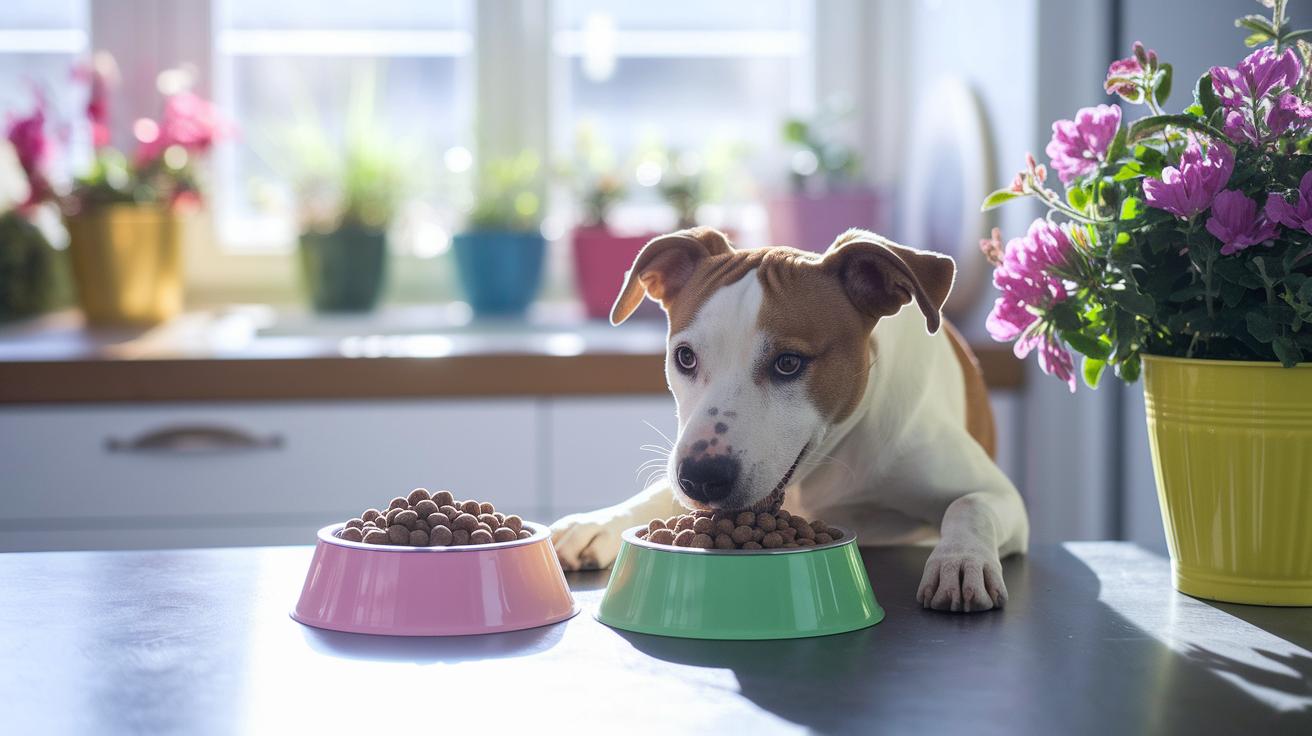
Ever wonder why your pet’s tummy sometimes just isn’t right? A little change in their diet can make all the difference. A healthy gut means fewer bouts of upset stomach and those pesky vet visits.
Think of feeding your pet like giving them a mini tune-up. The right foods work quietly to soothe and support their belly (it’s like a gentle spa day for their insides). And by swapping out those trouble-causing ingredients for meals packed with good nutrients, you’re boosting their overall well-being.
In this post, we'll share simple ways to help keep your pet’s gut balanced so they can be happy, bouncy, and full of life. Have you ever noticed how a little dietary tweak can brighten a pet’s day? Let’s dive in and see what works best for your furry friend.
Achieving Optimal Gut Health in Pets through Nutrition
When you feed your pet the right way, you're helping their tummy work happily and smoothly. A happy gut means fewer issues like diarrhea, vomiting, or constipation. Sometimes even a little change, like dull breath or a bit of extra anxiety, tells you that their gut isn’t quite balanced.
- Remove: Stop any foods that might be upsetting their tummy (sort of like an elimination diet to figure out allergies).
- Repair: Give them gentle, gut-friendly nutrients that help soothe and mend their digestive system.
- Restore: Add in special supplements or probiotics (good bacteria) to bring balance back to their gut.
- Replenish: Include fiber-rich foods, such as whole grains and veggies, to keep their digestion on track.
Check out our optimal pet nutrition guide for more details.
These steps can truly transform your pet's gut health. By removing trouble-making foods, you can spot allergies and irritants that cause tummy inflammation. Repairing with kind, calming ingredients supports a stressed digestive system, almost like giving it a little hug. Restoring the good bacteria with quality proteins or smart probiotics brings balance, while fiber-packed foods help everything move along smoothly. This gentle care not only keeps their gut in check, but also helps stop harmful bacteria from taking over. Simple stool testing compared to healthy pals can give you a clear picture of how well their gut is doing, ensuring each change boosts their digestion and overall well-being.
Pet Nutrition Components for Balanced Canine and Feline Digestive Wellbeing
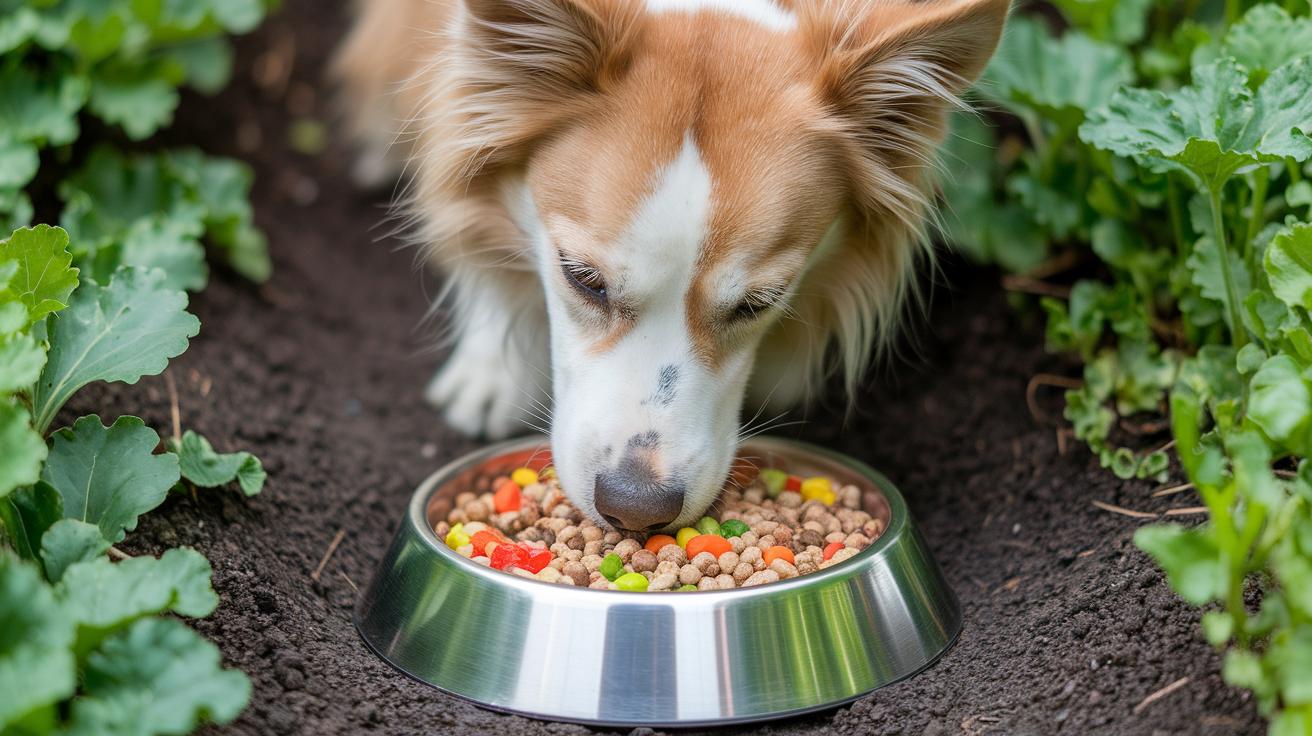
A balanced diet for your furry friend means mixing essential nutrients that work together for a happy, healthy tummy. Whole, familiar ingredients not only bring great flavor but also pack in fiber and key nutrients that help feed the good bacteria in your pet's belly. It's a bit like serving up a complete meal that lifts energy and improves digestion.
| Nutrient | Food Source | Digestive Benefit |
|---|---|---|
| Fiber | Whole grains, fruits, vegetables | Feeds friendly bacteria and keeps digestion smooth |
| Prebiotics | Sweet potato, quinoa | Helps good microbes grow for a balanced gut |
| Essential Fatty Acids | Fish oil, flaxseed | Supports gut lining health (keeps the gut barrier strong) and calms inflammation |
| Quality Proteins | Lean meats, eggs | Supplies complete amino acids (the building blocks for body repair) for better nutrient uptake |
When these nutrients join forces, they do wonders for your pet's digestion. Meals brimming with fiber, prebiotics, healthy fats, and quality proteins help the body digest food more easily and absorb more nutrients. This means less stress on the tummy and more energy for playtime and quiet cuddles. Next time you prepare your pet’s meal, consider how each bite contributes to their overall wellbeing and feel good about making a balanced choice.
Enhancing Gut Flora Balance: Prebiotics, Probiotics, and Enzymes in Pet Nutrition
Prebiotics are like little snacks for the good bacteria in your pet’s tummy. They give these helpful bugs the energy they need, making it easier for your furry friend to digest meals. You can find prebiotics in natural fibers from whole grains and other natural ingredients, helping those friendly microbes flourish. This steady feed keeps your pet's stomach calm and strong against unwanted intruders.
Probiotics are tiny live helpers that add more of the good bacteria back into your pet’s digestive system. They come in handy after antibiotics or anytime harmful germs try to take over. By restoring a smooth, balanced gut, probiotics help your pet absorb nutrients better and even feel a bit more relaxed. In short, they boost your pet’s natural defenses for better overall health.
Digestive enzymes work by breaking down proteins, fats, and carbohydrates so that your pet can easily soak up all the good stuff in their food. And when things really need a reset, a fecal microbiota transplantation (a process that introduces a full group of beneficial bacteria) can help bring back balance. If you’re curious about adding these enzymes and probiotics into your pet’s meal routine, follow the holistic pet diet formulation explained method to give your pet the comprehensive care they deserve.
Customized Pet Nutrition Plans for Managing Intolerances and Preventing Digestive Disorders
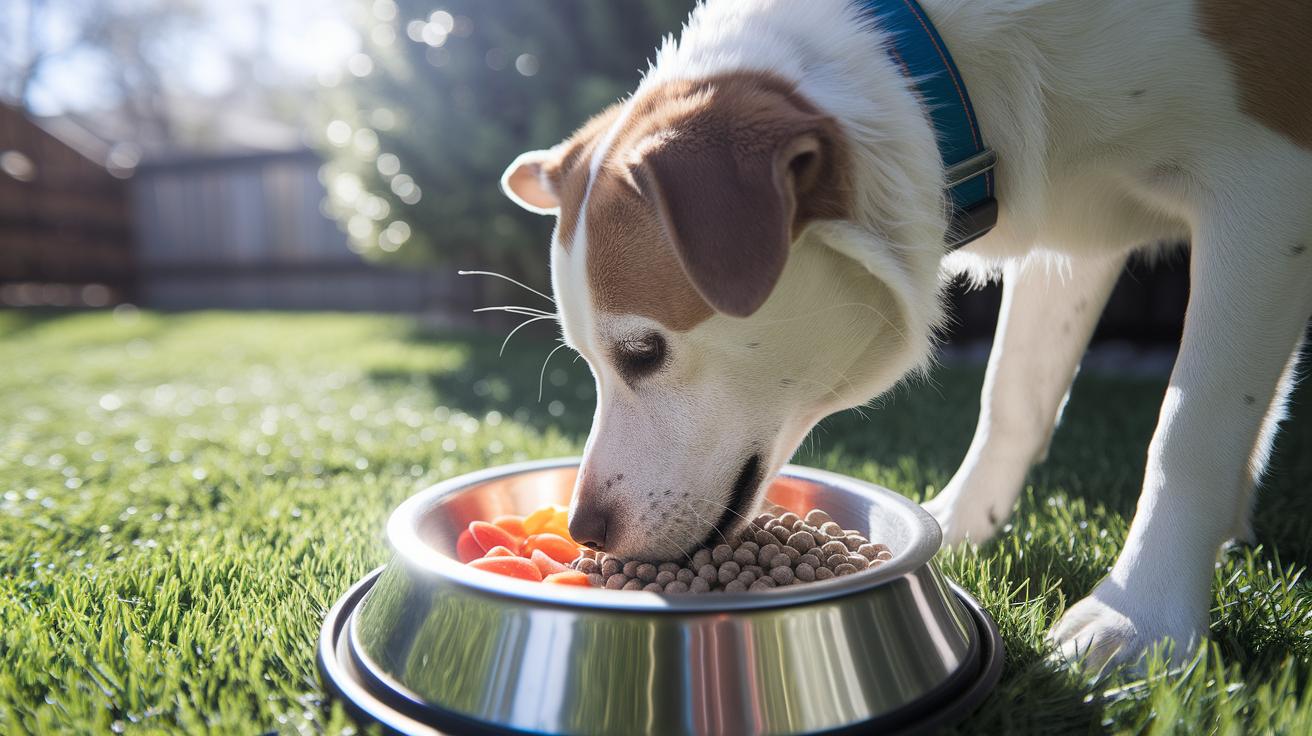
When you tailor your pet's diet, you can really see a difference. Custom plans help spot food triggers and ease ongoing tummy troubles. Working closely with your vet means your furry friend gets a plan that matches their unique needs.
- Begin by taking out one suspected ingredient at a time.
- Keep a simple diary to note any changes in behavior or digestion.
- Slowly bring back each food after a set time to see if symptoms come back.
- Tweak the diet based on what you see and check with your vet for tips.
Pairing an elimination diet with gentle supplements can do wonders for your pet's gut. Imagine adding a bit of prebiotics (natural food for good bacteria) or quality proteins that nourish while soothing their digestive system. With regular vet visits and attentive care to your pet's everyday habits, every little change counts toward a happier belly.
Alternative Feeding Strategies: Raw and Fermented Diets for Gut Resilience in Pets
Raw food diets can be a real game-changer if you’re looking to support your pet’s gut health. They’re packed with protein and low in sugars, which helps ease inflammation and ward off those pesky gut issues. Think of it like giving your pet a gentle reset every time they eat. Plus, the natural ingredients help keep muscles strong and boost overall energy, making mealtime a little dose of wellness.
Fermented foods and herbal add-ons offer their own kind of magic. Foods like fermented veggies and a touch of slippery elm (a soothing herb that calms the tummy) help the gut heal and keep inflammation at bay. These options bring in natural antioxidants and calming compounds that can ease digestive discomfort. By blending these into your pet’s diet, you’re helping set the stage for a steady, balanced gut and a happier, healthier furry friend.
Monitoring Gut Health Progress Through Testing and Nutritional Adjustments

If you're curious about your pet's tummy health, a simple stool sample can give you a quick look inside. It’s like taking a peek at how balanced their gut is. By comparing these results with those of happy, healthy pets, you can spot areas that might need a little extra care. For example, if your pet’s gut shows less variety of helpful bacteria, a nutritional boost might be just what they need.
Keep an eye on your pet's behavior and daily signs. Notice details like whether their poop seems different or if they appear more uncomfortable after meals. Even a little change in their mood can give you clues about how well their diet is working. Paying attention like this helps you decide if it's time to tweak their meals.
Using test results and what you observe at home, you can adjust their food and supplements for a perfect fit. Maybe add a daily prebiotic or adjust the protein level to help balance their digestion. And don’t forget a bit of regular exercise, it can make a big difference in keeping their tummy happy over time.
Final Words
In the action we explored ways to restore gut balance through smart food choices and simple testing methods. We looked at key steps like eliminating troublemakers, repairing the gut lining, and replenishing digestive function. We also unpacked how whole foods, protein-focused meals, and even alternative raw and fermented diets can improve digestion. Remember, pet nutrition for optimal gut health supports a happier tummy and a brighter pet spirit. Enjoy making daily choices that help your pet thrive.
FAQ
What do online reviews and Reddit discussions reveal about pet nutrition for optimal gut health and its side effects?
These discussions show that a balanced pet diet can improve gut health, while some owners note minor digestive upsets like mild diarrhea or changes in appetite when transitioning diets.
What are the symptoms of poor gut health in dogs?
The symptoms of poor gut health in dogs include diarrhea, vomiting, constipation, bad breath, and behavior changes such as anxiety, aggression, or hyperactivity.
How can I improve my dog’s gut health naturally?
Improving your dog’s gut health naturally means offering a diet rich in whole ingredients, prebiotics, and probiotics, along with regular exercise and veterinarian guidance for a balanced digestive system.
What foods boost dog gut health?
Foods that boost dog gut health include whole grains, fruits, vegetables, sweet potatoes, and quality proteins, all of which feed beneficial bacteria and support smooth digestion.
How can poor gut health in dogs be treated?
Treating poor gut health in dogs involves adjusting their diet, introducing probiotics and prebiotics, and closely monitoring symptoms while consulting a veterinarian to rule out underlying issues.
Which probiotic is best for my dog’s gut health?
The best probiotic for a dog’s gut health should include strains that support digestion and restore balance; your veterinarian can help recommend a product that fits your pet’s specific needs.
What is the best food for dog gut health?
The best food for dog gut health is one that features whole, recognizable ingredients, balanced nutrition, and a good mix of fiber and quality proteins to foster a healthy digestive system.
Is an animal-based diet good for gut health?
An animal-based diet can benefit gut health by providing high-quality proteins and lower carbohydrates, which help reduce the overgrowth of harmful bacteria, but veterinary advice is essential.
What is the optimal diet for gut health?
The optimal diet for gut health involves balanced nutrition with whole ingredients, beneficial prebiotics, and probiotics to support a strong digestive system and overall wellness.