
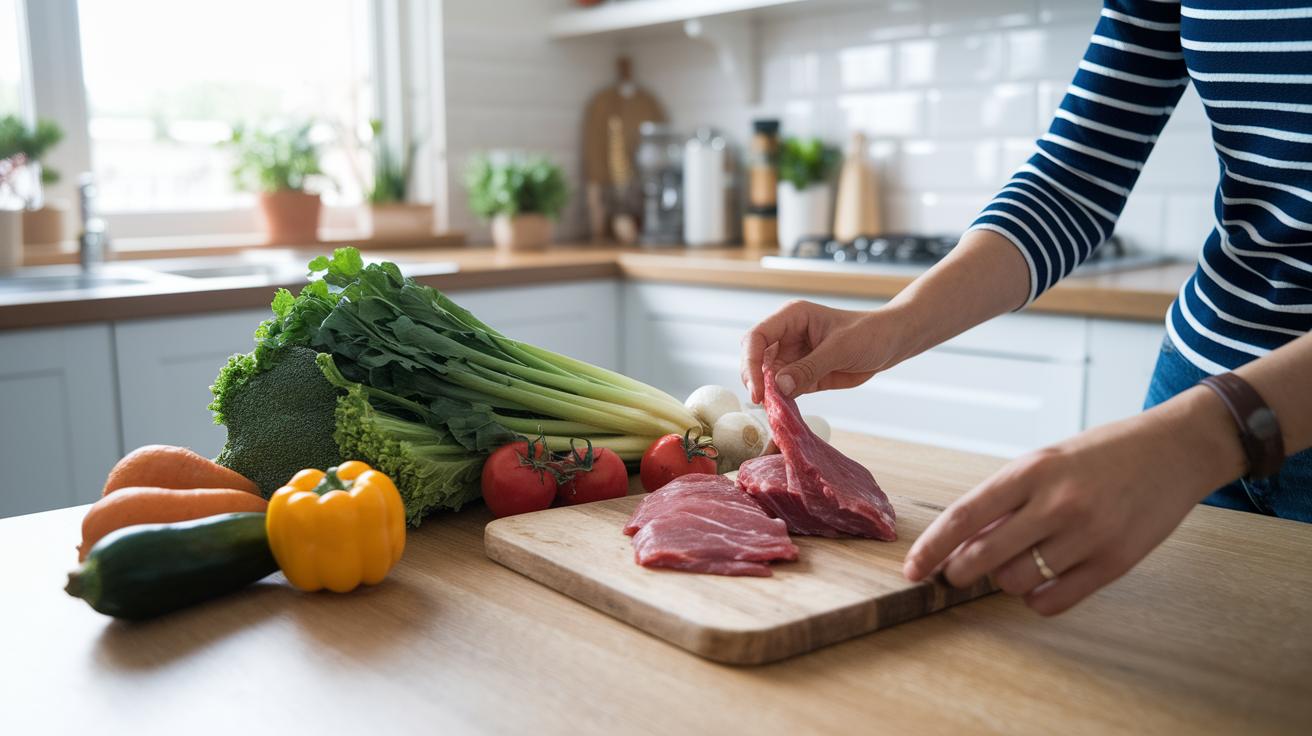
Have you ever thought that your pet’s meal could be the secret to their happiness? It might sound a bit daring to whip up a balanced raw meal, but it’s actually easier than you’d imagine.
Imagine mixing just the right amounts of proteins, veggies, and healthy fats (that means meat, fruits or vegetables, and nutrient-rich oils) to create a feast your dog or cat will love. In this guide, we break down each step with simple measurements and clear instructions so every bite brings a burst of joy and nourishment.
Your furry friend deserves meals that are not only healthy but also as exciting as a playful romp in the park.
Quick-Start Checklist for Balanced Raw Meals for Pets
Balanced raw meals bring a burst of joy to your furry friend's day. Begin by planning out your pet’s meals with simple measurements and clear ingredient ratios. Think of this checklist as your friendly guide to starting a balanced feeding routine for your companion. It’s like crafting a fun recipe where every step makes your pet’s mealtime more exciting.
- First, figure out the feeding amounts by using either PMR (80/10/5/5) or BARF (70/10/5/5/10). These are just ways to mix proteins, vegetables, fats, and other goodies in the right balance.
- Next, defrost proteins 12 to 24 hours ahead. Just like getting ready for a fun show, letting proteins defrost means they’re ready to shine.
- Then, soak seeds and nuts for 24 hours. Think of it as a gentle wake-up call for your ingredients so they’re all set to blend into a nourishing meal.
- After that, portion the meals into daily containers and label them. It’s a bit like writing a small love letter to your pet, making sure they get the perfect amount each time.
- Lastly, clean your prep surfaces and utensils, and keep those meals stored below 40°F. A tidy workspace means your pet’s food stays fresh and safe.
Follow these simple steps to organize and portion your pet’s raw diet. In truth, every bite will be a treat your pet will happily look forward to.
Nutritional Components of a Balanced Raw Diet for Pets
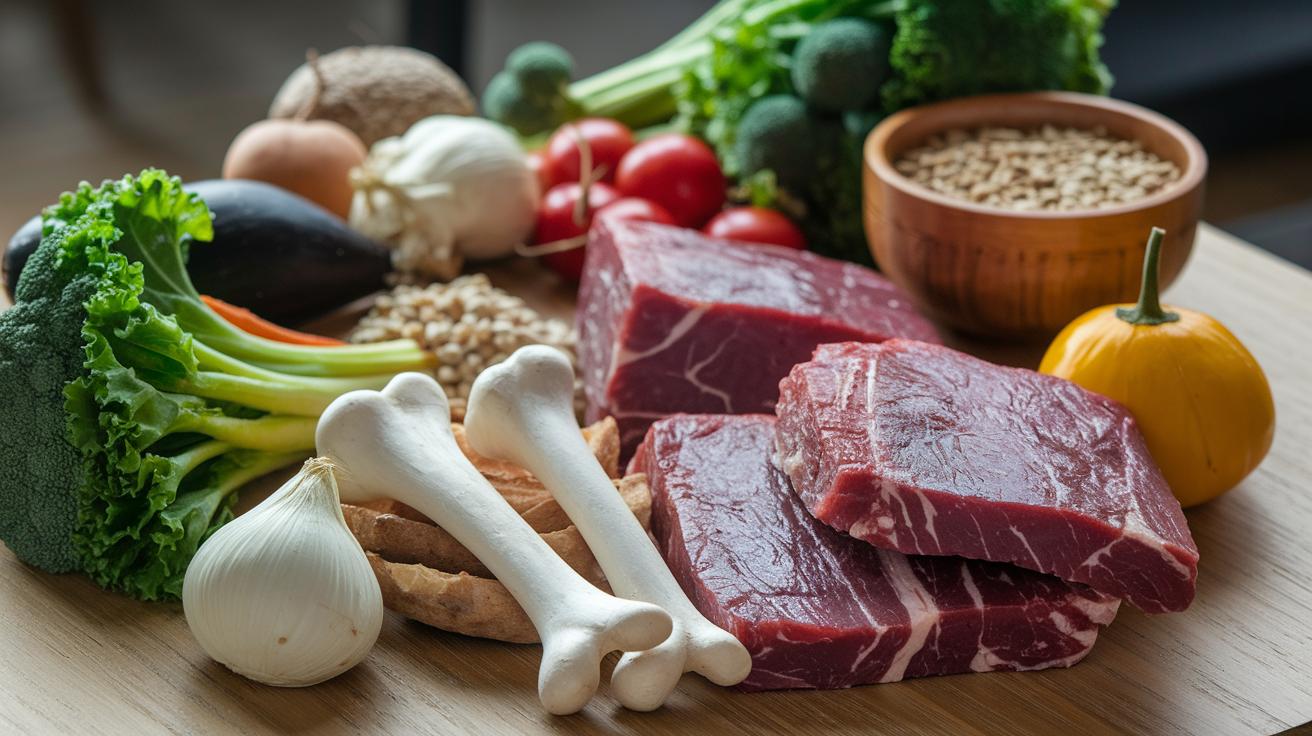
When planning a balanced raw meal, it helps to know what each ingredient brings to the table. Muscle meat isn’t just about protein, it also gives your pet essential phosphorus for strong bones and healthy cells. Raw meaty bones come in handy because they supply the calcium needed for sturdy teeth and bones. And organ meats? They’re packed with vitamins A and D along with a boost of CoQ10 (a natural helper for heart health). This mix sets a solid nutritional base for your furry friend.
Fruits and vegetables get their moment to shine too. They add antioxidants, fiber, and moisture from leafy greens and colorful produce, which all work together to keep your pet feeling vibrant. Plus, supplemental oils like fish, flax, or hemp offer Omega-3 fatty acids (great for a shiny coat and healthy skin) while also helping to ease inflammation. When you balance these components, you create a meal that fills in any nutritional gaps, nurturing your pet from the inside out.
| Ingredient | Key Benefit |
|---|---|
| Muscle Meat | Provides protein and phosphorus for strong bones and cells |
| Raw Meaty Bones | Supplies calcium for healthy teeth and bones |
| Organ Meats | Offers vitamins A and D plus CoQ10 for heart health |
| Fruits and Vegetables | Add antioxidants, fiber, and moisture |
| Supplemental Oils | Rich in Omega-3 fatty acids to support skin and coat health |
When these ingredients come together just right, they work in harmony to create a balanced raw meal that covers all your pet’s nutritional needs. Muscle meat and raw meaty bones maintain the right mineral mix, while organ meats give a vitamin boost. The fruits, veggies, and oils finish the meal by adding essential antioxidants, fiber, and healthy fats. This complete mix supports energy, skin health, and overall vitality, making every bite a little celebration for your pet.
Feeding Amount Calculations and Portioning for Raw Pet Meals
When you're planning raw meals for your pet, think of it like putting together a fun, healthy recipe. You start by figuring out how much your pet needs each day based on their age and activity. For example, if 1,000 kcal is the target, that works out to about 18 to 20 ounces (roughly 510 to 567 grams) of raw food. Popular meal models like PMR (80:10:5:5) and BARF (70:10:5:5:10) help you get the balance of proteins, organs, fats, and produce just right (each number here explains the split in each food group).
Imagine this daily serving as setting the stage. Once you know the daily portion, you can easily multiply it by 7 to cover a whole week or by about 28 to plan for the month. It’s a bit like piecing together a puzzle, where each piece is a part of your pet’s nutritious diet.
| Timeframe | Calculation Method | Example Amount |
|---|---|---|
| Daily | Base amount from 1,000 kcal guidelines | 18–20 oz (510–567 g) |
| Weekly | Daily × 7 | 126–140 oz (3.57–3.92 kg) |
| Monthly | Daily × 28 | 504–560 oz (14.3–15.9 kg) |
By using these simple steps, you can confidently whip up balanced meals that meet your pet’s calorie needs. Have you ever caught your pet eagerly waiting for meal time? That’s when you know you're on the right track!
Ingredient Selection and Ratios for Optimal Raw Meal Balance
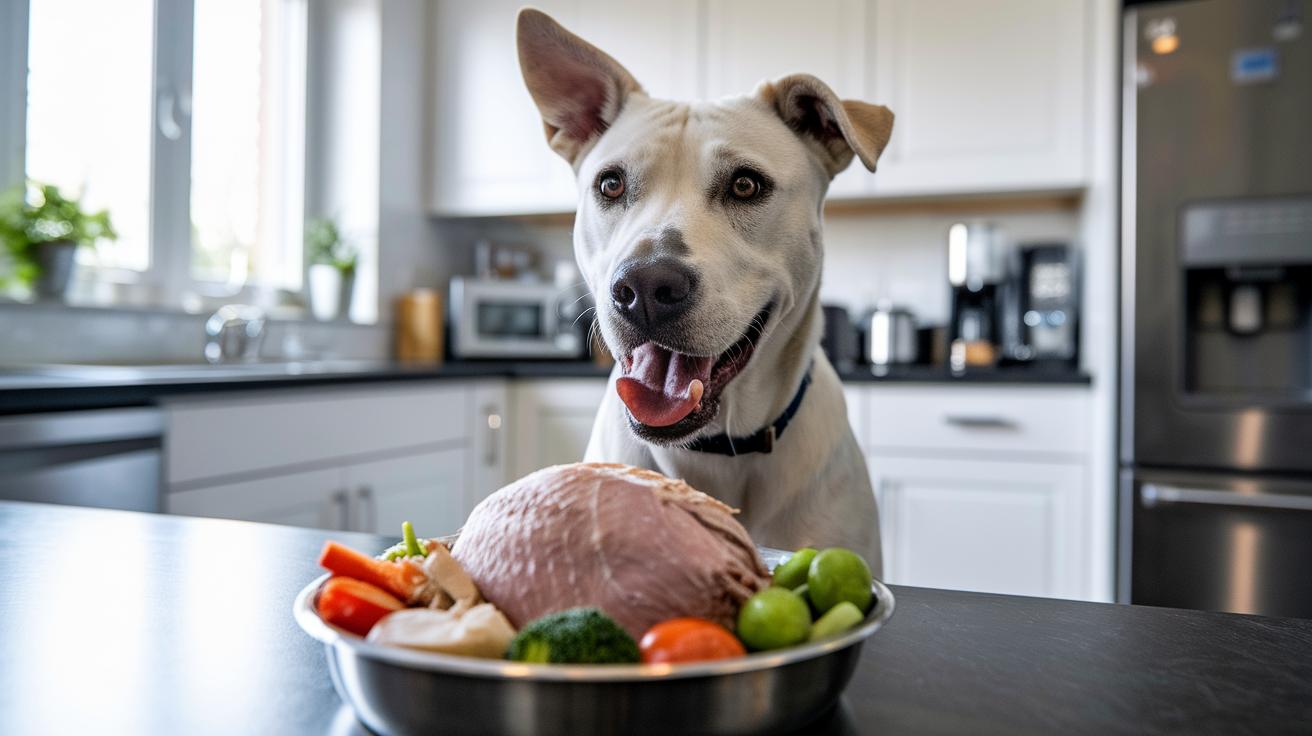
Switch up proteins like chicken, beef, turkey, or fish to keep your pet's meals exciting and full of good nutrients (amino acids, vitamins, minerals). Try changing the main protein every meal. Imagine saying, "Today, we're having turkey!" and seeing your pet light up with joy.
Mix mostly muscle meats with a bit of organs and healthy fats, kind of like adjusting your favorite recipe. Use plenty of muscle meat with a small touch of organs and fat (think of the good fats from fatty fish). Just roughly measure each part so every bite stays balanced and supports your pet's overall health.
Toss in some leafy greens and colorful fruits too. This simple step adds natural antioxidants and fiber. Picture chopping a handful of spinach and a few berries right before serving. It makes the meal a bit juicier and fills in any missing vitamins.
Practical Tips:
- Rotate proteins daily to keep meals interesting.
- Mix muscle meats with small portions of organs and fat.
- Stir in fresh produce to boost antioxidants and moisture.
Advanced Workflow: Bulk Preparation and Daily Assembly for Raw Diets
For a complete raw meal prep that builds on your quick-start checklist, try these extra tips. If you've already taken care of soaking seeds and thawing proteins, these steps will help you improve your batch process.
When prepping in bulk, use a big container like a clean kitchen sink or tub to catch any drips right away. This simple trick keeps your workspace tidy. I remember using a large tub during my last session to easily handle any spills.
Always check that your scale is set to zero before you add muscle meat, raw bones, organ meats, or veggies. This ensures every measurement is just right.
Keep oil supplements such as fish, flax, or hemp oil in a separate jar until it's time to serve. This little move helps keep the oils fresh. I usually store my fish oil away from heat so it stays in top shape.
Don’t forget to label each container with the date and the recipe ratios. This step is handy when you switch up proteins each week. I make it a habit to mark every container, so I always know what’s inside. For more tips on planning your weekly menu, check out our guide on homemade pet nutrition recipes.
- Use a big container to catch drips during bulk prep
- Tare your scales carefully to get accurate measurements
- Store oil supplements separately to keep them fresh
- Label containers with dates and recipe details; rotate proteins weekly
Safety, Hygiene Best Practices, and Storage for Raw Pet Meals
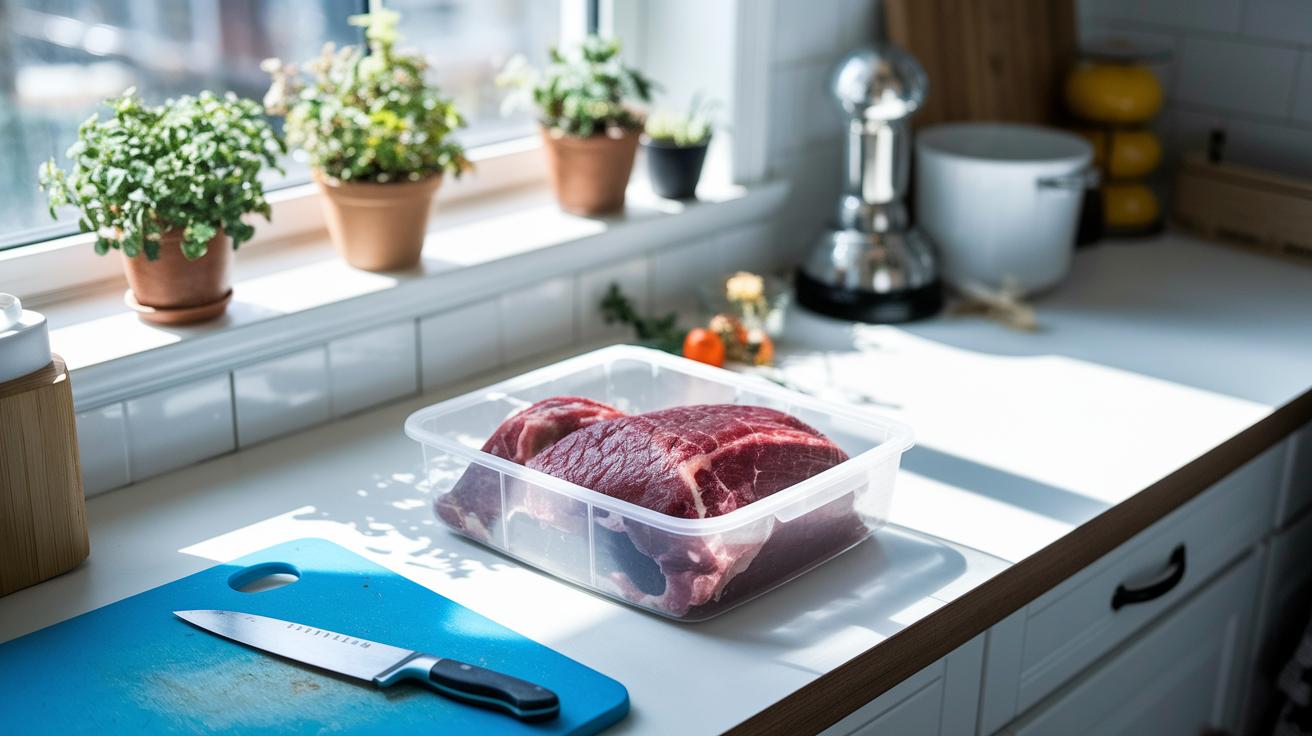
Keep your kitchen clean and ready when prepping raw meals for your pet. Always use special containers for catching drips during defrost, and clean your surfaces and utensils between tasks to steer clear of cross-contamination. A quick hand wash after switching ingredients really helps out. For example, after slicing meat, rinse your cutting board with hot, soapy water right away, it really cuts down on lingering germs.
Store raw meals carefully to lock in nutrients and stop spoilage. Label each container with the date you made it (so you stick to a 28–30-day usage window) and keep your meals chilled below 40°F. Add oil supplements like fish, flax, or hemp oil just before serving to avoid oxidation and hold onto that nutritional boost. For instance, once your meal is all set, jot down the date on its container and pop it in the fridge so every bite stays as fresh as you intended.
Customizing Raw Meal Plans and Troubleshooting Common Challenges
Switching your furry friend to a raw diet is best done slowly. Start by mixing a little bit of the new food with your pet’s usual meal. Over the next 7 to 10 days, gradually increase the new food. This gentle change helps your pet’s tummy adjust so you avoid any upsetting digestive issues.
If your pet has special needs like a sensitive stomach or joint discomfort, try recipes that focus on joint support (extra ingredients to help with movement) or add a bit more fiber. Tailoring the diet this way can make a big difference in how your pet feels day to day.
Watch your pet closely for changes. Look for signs like shifts in weight, improvements or changes in their coat, and differences in stool consistency. Consider these steps:
- Keep an eye on these details every day.
- Adjust the amounts of fats or fiber if your pet seems off.
- Try recipes with a single protein source if you’re worried about allergies.
And if you notice ongoing challenges, it might be a good idea to chat with a veterinarian or a pet nutrition expert. Getting professional advice can help you fine-tune the new meal plan to boost their dental health, coat shine, and overall balance. For more ideas on expert advice for meal customization, check out holistic pet diet: expert interviews and advice.
Final Words
In the action, our guide walks you through each step, from measuring ingredients and using the PMR or BARF ratios to batch-prepping and ensuring top-notch hygiene. We highlighted essential nutritional components like muscle meat, organs, and veggies, along with efficient portioning and storage practices. Keeping pet safety and enjoyment in mind, these tips help you feel confident about how to prepare a balanced raw meal for pets. Every detail supports your pet's health, making meal prep a rewarding experience for both of you.