
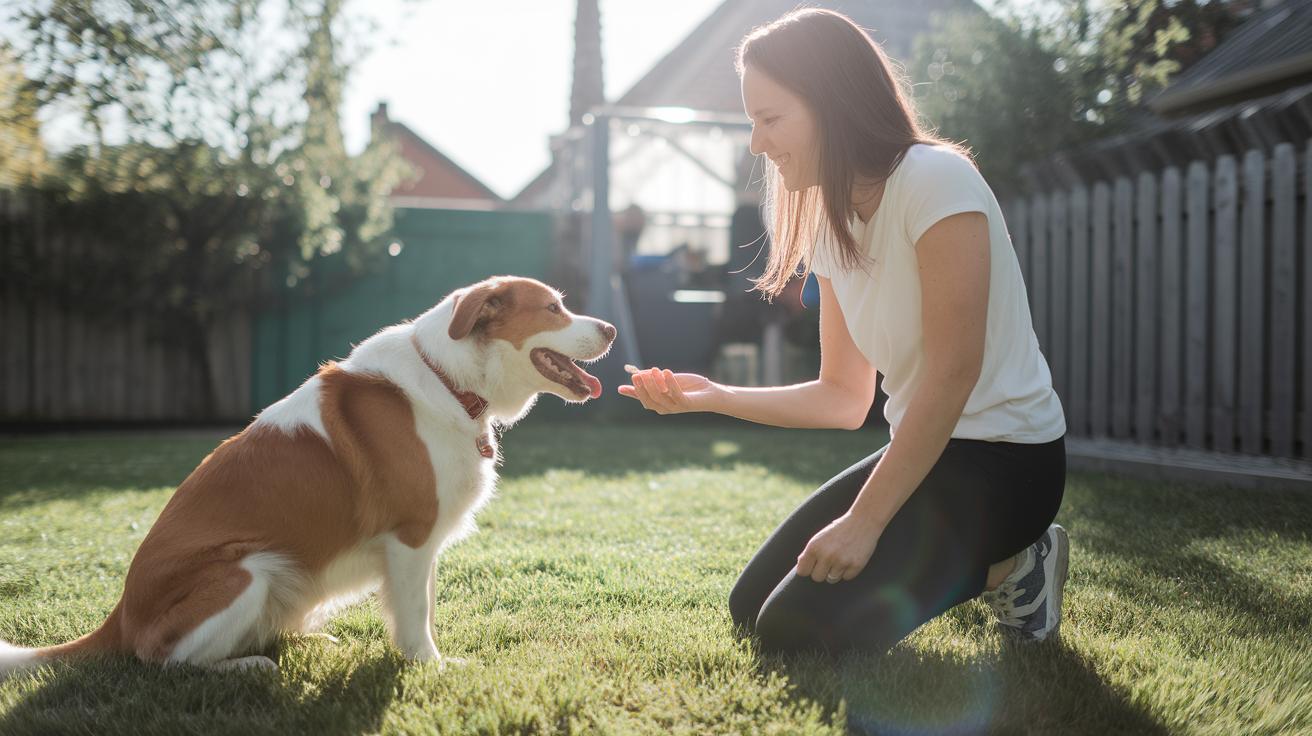
Ever notice how a gentle pat or a tasty treat can brighten your pet's day? When you reward them right away for doing something good, it helps them link that action with a happy outcome. Keeping your cues and rewards consistent makes your furry friend feel more secure and focused. It’s like saying, “Hey, good behavior really counts!”
Key positive reinforcement methods to reinforce good behavior in pets
Positive reinforcement means rewarding your pet right after they do something good. For example, if your dog sits when asked, offer a small treat or a few gentle strokes while saying "Good!" This quick reward helps them understand exactly what behavior makes you happy.
Being consistent is super important. Every family member should use the same cue and reward system to avoid any mix-ups. Picture using a clicker to mark a perfect moment when your dog follows a command. That click, followed by a treat, makes it crystal clear which action earns praise.
Rewards can be lots of different things. Some pets enjoy a tasty treat, while others might prefer a favorite toy or a bit of loving petting. This mix keeps training sessions fun and engaging. And it’s best to keep these sessions short, around 5 to 10 minutes for puppies, so your furry friend stays focused and doesn’t feel overwhelmed.
By avoiding punishment and sticking with a warm, gentle approach, you build trust with your pet and motivate them to repeat positive behaviors. Using clear commands paired with immediate rewards turns training into a joyful, bonding experience.
Developing structured reward schedules to reinforce pet behavior

Start with a continuous reward schedule and give a treat every time your pet does something right. For example, if your dog sits on cue, offer a treat within one or two seconds. This quick reward helps your pet see the clear link between their action and getting something yummy.
Once your pet gets the hang of it, slowly switch to fewer treats. Instead of giving a reward every time, try rewarding every other time or using a random pattern. This change keeps your pet interested and helps them learn the behavior over the long haul without needing a treat every single time.
Transitioning from always rewarding to giving treats now and then is a key part of training. You might use a fixed partial method by treating every third or fourth correct action. Or try a variable ratio schedule where the treats come at surprise moments, making your pet work a little harder to earn a reward. Always stick to the same cues and setting, if you're training your dog to "sit" in the kitchen, keep it there until the behavior is solid. As things progress, you can swap out treats for extra praise or a fun play session.
Using a clear, structured reward plan not only builds good habits but also deepens the bond between you and your pet.
| Schedule Type | Description | Ideal Use |
|---|---|---|
| Continuous | Reward every time | Learning new commands |
| Fixed Partial | Reward every Nth time | Building reliability |
| Variable Ratio | Unpredictable reward pattern | Long-term retention |
Using clear cues and commands to reinforce good behavior
Using easy commands helps your pet learn fast. One-word cues like Sit, Stay, or Yes keep things simple and clear. For example, say Sit in a friendly tone while giving a small hand signal. Then, within two seconds, mark the action with a click or kind word and offer a treat or praise. This step-by-step routine, cue, behavior, marker, reward, makes learning a breeze.
Consistency matters a lot when using these commands. Every family member should use the same words and gestures so your pet isn’t confused. Imagine your dog hearing different commands for one trick, it would be like mixing up the instructions. Instead, keep it steady and upbeat so your furry friend quickly connects the cue with something fun.
Short, clear training sessions with praise and treats keep things engaging. Match your body language with your voice to create a complete signal that your pet can easily follow. It’s as simple as giving a quick command, watching your pet respond, and then rewarding that action. This approach speeds up learning and strengthens the bond between you and your pet.
Tailoring reinforcement techniques for dogs and cats
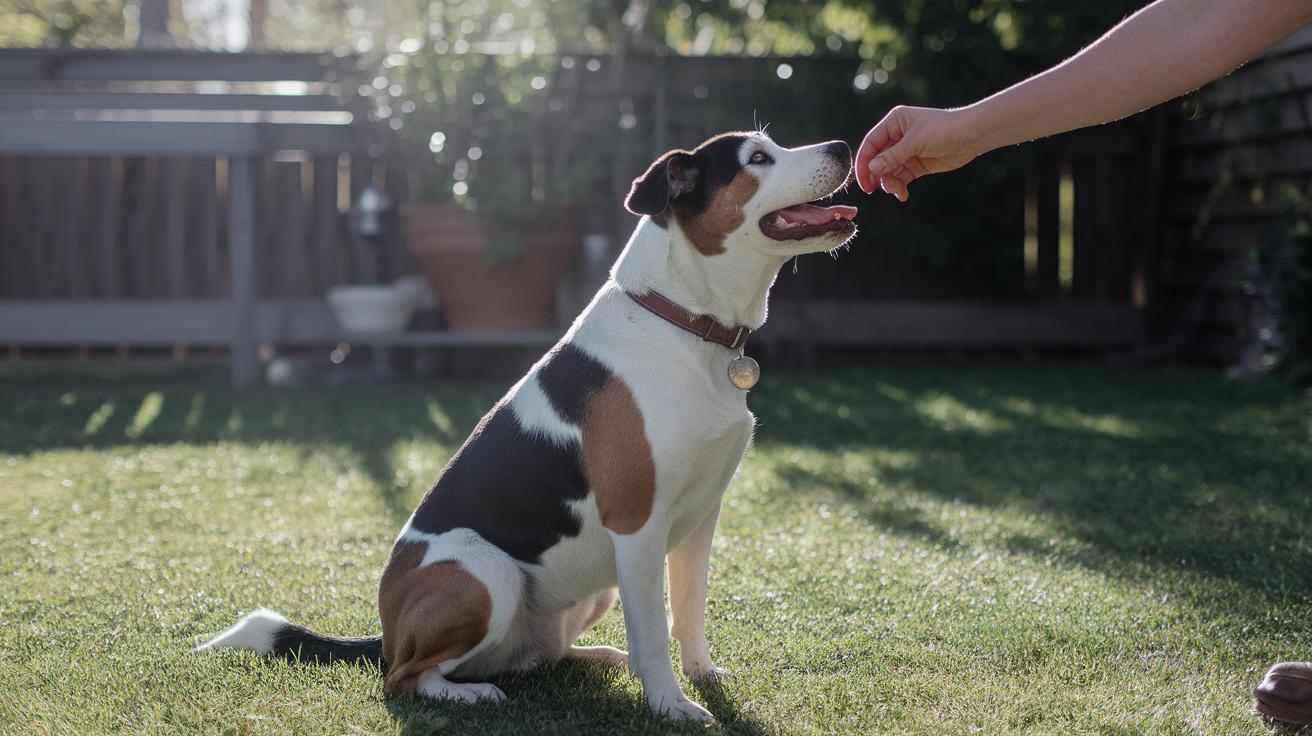
Canine reinforcement
When it comes to our furry dogs, treats really work like magic. Most pups are super food-motivated, so offering small, low-calorie treats does the trick. Pair a quick click from your clicker right when they follow a cue and they understand you mean business. For instance, if your dog sits on command, give a brief click followed by a tasty reward. Remember how Max fetched his ball after just one click? That’s all about perfect timing.
Keep training sessions short and fun, try two or three quick rounds a day, each lasting just a few minutes. Mixing in a playful game of fetch or tug now and then helps too. It not only reinforces basic commands like Sit or Stay but also adds a bit of active play to your day. Plus, when everyone in the family uses the same cues and rewards, your pup picks up the habit even faster.
Feline reinforcement
Cats usually light up with playtime or a bit of gentle attention. They love when you use a laser pointer or feather wand to spark that playful chase, picture your kitty darting around joyfully before settling down for a friendly stroke. Timing is everything; a quick click followed by a small treat (or maybe even a cuddle) builds a strong connection with their behavior.
Keep these sessions extra brief, about two to five minutes, since cats naturally have shorter bursts of focus. This blend of click-and-treat with playful rewards fits their unique style perfectly. Staying consistent with your cues and rewards, while keeping training intervals fun and engaging, helps create lasting, positive habits for your feline friend.
Overcoming common reinforcement challenges when training pets
Training our pets can be a bit of an adventure sometimes. Mistimed rewards can really throw off their learning. For example, if you open the door right after your dog barks, your furry friend might think that barking wins them an invite instead of learning a calm "Quiet" cue. Even a second’s delay might leave them confused about which behavior deserves a treat.
Another hurdle is when everyone in the family isn’t on the same page. When one person uses a different cue or gives praise in a different way, your pet might not know what you're really asking for. If one person rewards a small action while another ignores it, the message feels mixed. This can lead your pet to focus on habits that don’t help with training.
Also, over-rewarding can become an issue. If treats or affection flow too freely for actions that aren’t the goal, your pet might struggle to learn the difference between what should be rewarded and what shouldn’t. Plus, missing moments to guide your pet can let unwanted habits stick. For instance, if a cat scratches the furniture but isn’t directed to a scratching post with immediate praise, the behavior might continue.
| Pitfall | Description |
|---|---|
| Accidental reinforcement | Rewarding actions unintentionally (like opening the door after a bark) |
| Timing errors | Giving treats too late, breaking the link between behavior and reward |
| Inconsistent cues | Different signals among family members that confuse your pet |
| Over-rewarding | Offering treats for minor actions not meant to be rewarded |
| Missed redirection | Failing to guide your pet away from unwanted behaviors quickly |
By fine-tuning your timing, keeping cues the same for everyone, and choosing carefully which actions earn a reward, you can gently guide your pet toward the behavior you want. With a bit of patience and consistency, you’ll build trust and a clearer understanding between you and your furry friend.
Maintaining consistent routines to reinforce lasting pet behavior

Short, fun practice sessions each day do wonders for your pet. A little routine, like working on commands at a set time, maybe after breakfast or in the evening, can keep your pet sharp and cheerful. For example, say "Sit" in a clear voice, then quickly offer a small treat or a few kind words. This immediate reward helps your pet link the command with a positive response.
Keeping a simple log can also be really useful. Just jot down the date, the behavior your pet showed, and the reward they received. This little record helps you see progress and tweak your approach if needed. As your pet gets comfortable with the commands, you can slowly swap out some treats for extra praise or a fun playtime session. Checking in on those basic commands once a month is a great way to keep them strong. Every training moment can be an opportunity for both fun and growth.
Final Words
In the action, the post broke down clear, practical tips for positive reinforcement using rewards like treats, toys, and praise. It covered structured reward schedules, precise cues, and species-specific tactics for both dogs and cats. We discussed timing, consistency, and how to sidestep common mistakes so training remains fun. Using advice on how to reinforce good behavior in pets helps build confidence and trust between you and your companion. Keep trying new tactics, enjoy the training process, and celebrate every small success along the way.
FAQ
How do I reinforce good behavior in my pet at home like suggested on Reddit?
Reinforcing behavior at home means rewarding your pet immediately—using treats, toys, praise, or affection—right after they do something good to build strong, lasting habits.
What is positive reinforcement for animals and in dog behavior?
Positive reinforcement means giving a pet a reward right after a desired action, helping them learn and repeat the behavior by associating it with something enjoyable, like treats or kind words.
What are some positive reinforcement dog training examples or experiments?
Positive reinforcement dog training examples include giving a treat when a dog sits, using clicker markers to signal correct behavior, and rewarding with verbal praise during training sessions.
How do you reinforce positive behavior in pets effectively?
Reinforcing positive behavior involves delivering rewards immediately after the action, staying consistent with cues and timing, and using rewards like treats or play to encourage repeat performances.
What are the 4 types of reinforcement in dog training?
In dog training, reinforcement includes continuous rewards, fixed partial reinforcement, variable ratio reinforcement, and differential reinforcement, each shaping behavior by adjusting reward patterns.
How does negative reinforcement work in dog training?
Negative reinforcement in dog training involves removing an unpleasant factor once the dog performs a correct behavior, but it is less favored because it may lead to stress rather than building trust.
How does positive reinforcement differ from correction in dog training?
Positive reinforcement rewards desired behaviors with treats, praise, or play right away, while correction focuses on stopping unwanted actions, sometimes causing stress and reducing trust in your pet.
Where can I find resources like dog training near me or a PDF on positive reinforcement training?
You can find resources by searching local pet training centers for positive reinforcement dog training and looking online for PDF guides that offer step-by-step reward-based training strategies.