
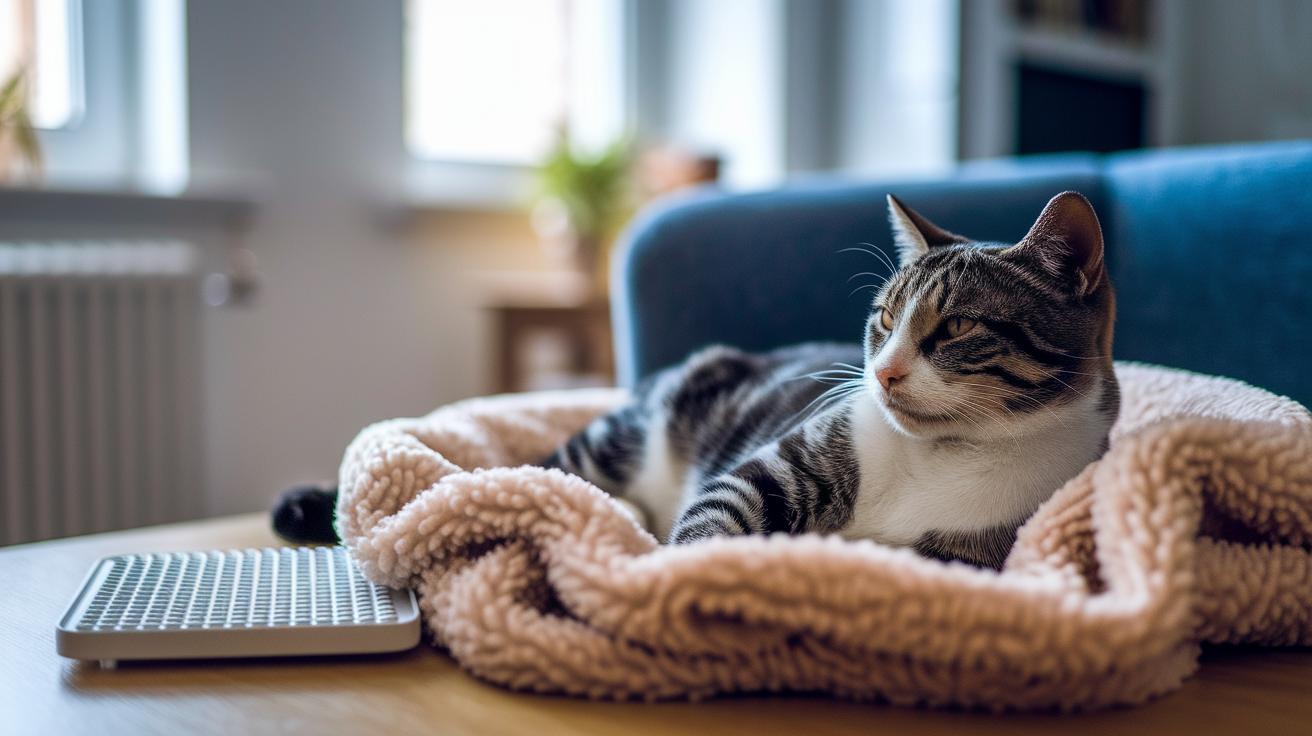
Ever wondered if there's a softer way to ease your pet's pain? Instead of just turning to regular drugs, many pet parents are trying out new therapies that work with your pet’s own healing powers.
Think about treatments like acupuncture or cold laser therapy (a light-based treatment that can help with pain) and guided physical exercises. These options help reduce stiffness and improve movement in a way that feels natural.
They give your furry friend a chance to feel more comfortable and active. Have you noticed how a little extra energy can brighten their day? In this post, we explore how these gentle methods can truly bring relief to your pet.
Essential Alternative Therapies for Pet Pain Management
A lot of pet parents are looking for ways to help their furry buddies feel better without always turning to standard drugs. They’re excited by gentler methods that ease pain and work with the body’s natural healing power. These treatments aim to calm swelling and boost everyday movement so your pet can enjoy more natural comfort.
When you dive into these alternative options, you often find a mix of treatments that work well together. Many pet owners notice that combining a few targeted therapies can help reduce stiffness, improve blood flow, and lift overall wellbeing. It’s a fresh take on pain relief compared to what you’d normally see with regular medicines.
- Acupuncture
- Cold laser therapy
- Massage therapy
- Underwater treadmill therapy
- Guided physical rehabilitation
- Nutraceutical supplements
Each method has its own perks. Acupuncture, for example, helps spark nerves and get the blood moving. Cold laser therapy works to cut down on swelling and speed up recovery. Massage and guided sessions can ease joint tightness and soothe muscles, and underwater treadmill workouts gently build strength with a bit of buoyancy behind them. Plus, supplements like glucosamine, green-lipped mussel, and turmeric can support joint health in a natural way. Always chat with your veterinarian to figure out which treatments might be best for your pet and to make sure they fit with any other care they’re getting.
Acupuncture and Laser Therapy in Pet Pain Management
Non-invasive treatments like acupuncture and cold laser therapy help your pet feel better without a lot of fuss. They work with your pet's natural healing power, offering a kind alternative to more invasive treatments.
Acupuncture means using 10 to 20 tiny needles placed at certain spots on your pet. It encourages nerves, muscles, and blood flow to work together, easing discomfort from arthritis, nerve injuries, or spine issues. Sessions usually happen once or twice a week, gently nudging your pet toward better movement and less pain, like a soft, reassuring touch that melts stiffness away.
Cold laser therapy sends gentle light waves deep into sore tissues. This method helps calm swelling and speeds up wound healing in just 5 to 15 minutes. Imagine a quick 10-minute burst that soothes swelling around a hurt joint without any sharp pinpricks or discomfort.
These caring methods are best for pets dealing with ongoing pain or recovering from injuries. Always chat with your vet first to make sure these treatments match your pet’s health needs.
Physical and Manual Modalities for Pet Pain Management
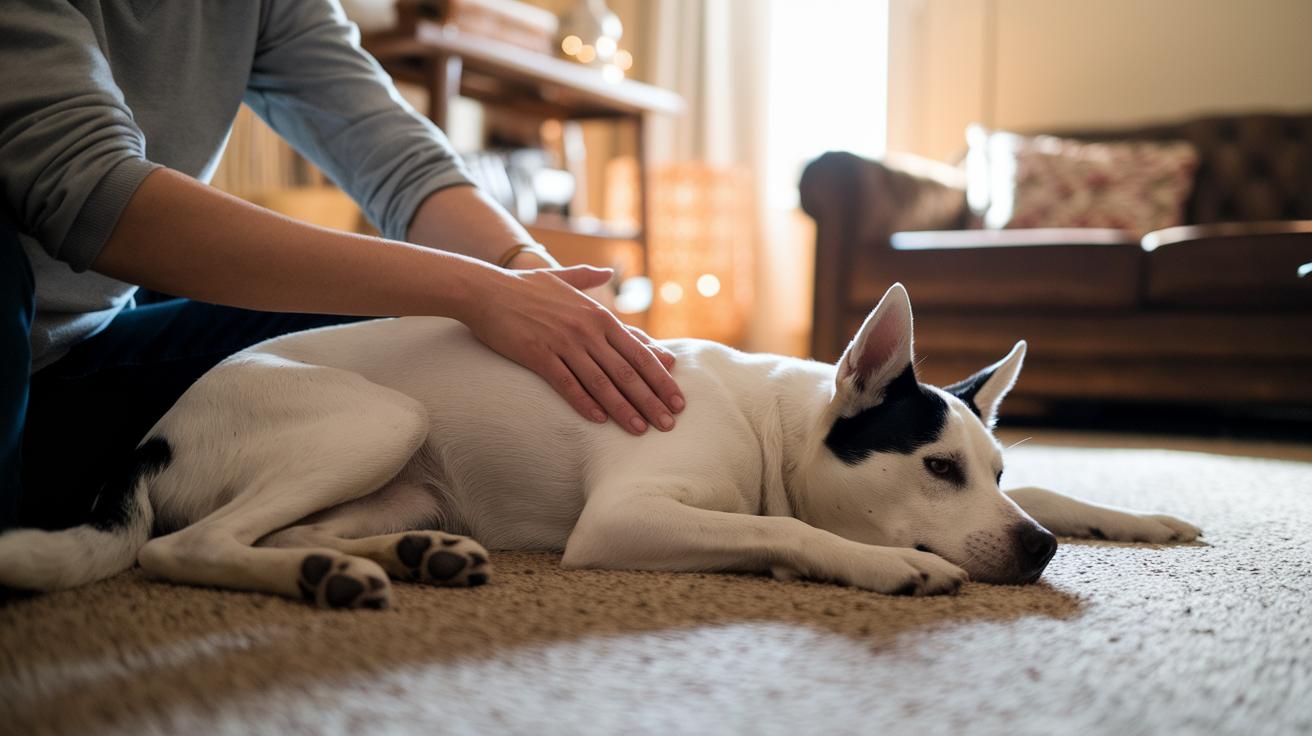
These hands-on methods help ease your pet’s discomfort by using gentle touch and care. They work by boosting blood flow, easing stiffness, and helping joints move smoothly (which is like a little tune-up for your pet’s body). Many pet parents love this natural, calming approach, it feels just as warm and caring as a cuddle.
Massage Therapy
Massage therapy is like giving your pet a gentle, caring rubdown that relaxes their muscles and gets the blood flowing. It helps ease tight joints and supports muscle tone, especially in pets facing wear and tear. Think of it as a soft, slow massage that melts away tension and leaves your pet feeling happier and more relaxed.
Underwater Treadmill Therapy
Underwater treadmill therapy uses water to take pressure off those sensitive joints. This low-impact, water-assisted walk is perfect for pets recovering from surgery or dealing with chronic joint issues. Imagine your pet enjoying a cool, refreshing walk where the buoyancy of the water makes exercise feel like a soothing spa visit.
Guided Physical Rehabilitation
Guided physical rehabilitation involves a set of structured exercises designed to boost mobility and range of motion. These sessions mix gentle, passive stretches with light exercises to strengthen weaker spots in your pet’s body. It’s like having a custom workout plan created just for your furry friend.
Chiropractic Support
Chiropractic support focuses on gentle adjustments that help realign your pet’s spine and joints. These precise tweaks work to reduce pain and improve balance, making everyday activities more comfortable. It’s a careful way to help your pet feel more aligned and at ease.
| Therapy | Benefit | Session Duration |
|---|---|---|
| Massage | Improves circulation, eases stiffness | 10–30 min |
| Hydrotherapy | Builds strength with low-impact movement | 15–20 min |
| Rehab Exercises | Boosts mobility and range of motion | 20–40 min |
| Chiropractic | Improves alignment, reduces pain | 30 min |
Herbal and Nutraceutical Therapies for Pet Pain Management
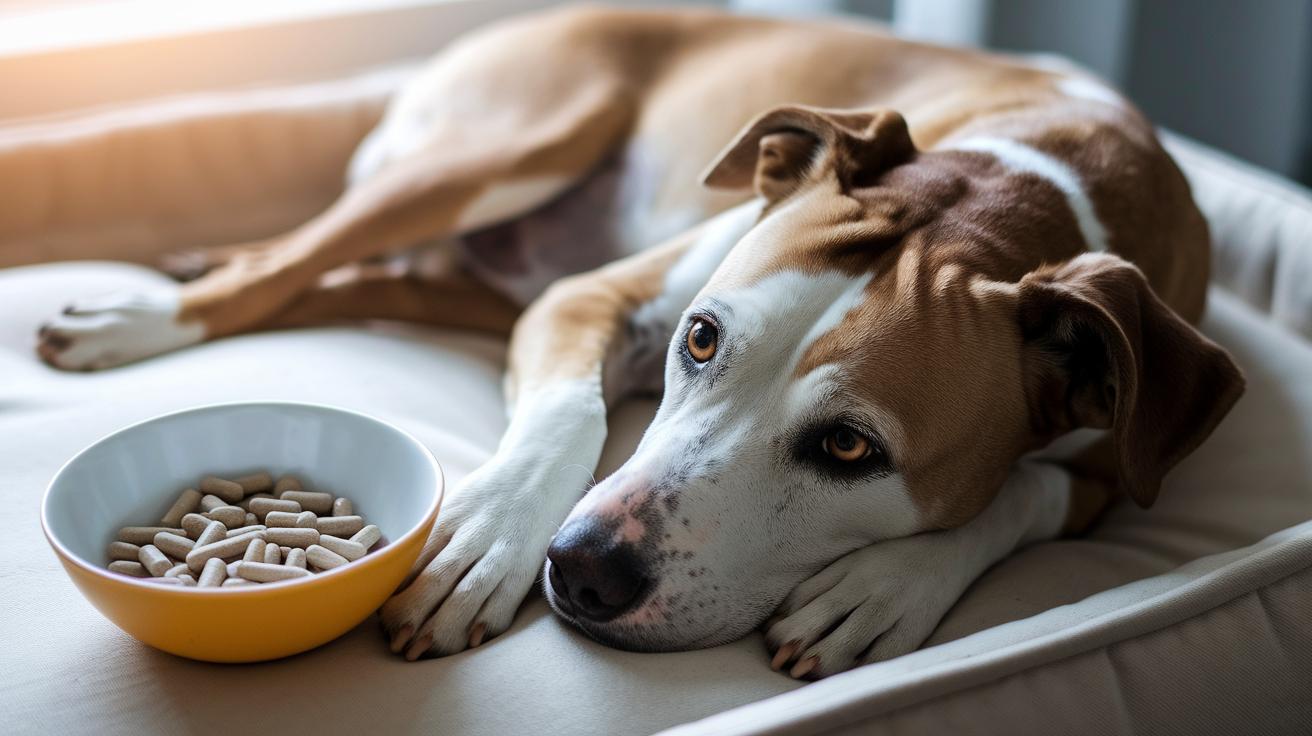
Herbal and nutraceutical supplements work deep in your pet's cells to ease discomfort. Glucosamine helps repair joint cartilage by boosting the production of key proteins, giving your pet's joints a fresh jump-start. Green-lipped mussel offers natural enzymes that calm inflammation. Turmeric brings in curcumin (a natural compound that eases inflammation signals), and CBD oil targets pain receptors while balancing mood. Imagine glucosamine as a gentle helper, working behind the scenes to rebuild your pet’s natural cushion.
Vets always recommend starting with a small dose and then slowly increasing it so you can watch how your pet responds. Recent studies show that using the right amount can boost cell repair without putting too much strain on the body. It’s a smart idea to talk with a professional about the dosage and any medicine interactions, ensuring each supplement safely supports your pet’s mobility and comfort.
- Glucosamine
- Green-lipped mussel
- Turmeric formulas
- CBD oil
Safety, Risks, and Veterinary Collaboration in Pet Pain Management
When trying alternative therapies, it’s important to follow special safety tips that aren’t covered by other guidelines. For example, if you’re using an herbal supplement, measure it carefully with a kitchen scale (this helps keep the dose just right and prevents even small negative reactions). Recent cases show that even tiny changes in the dosage can cause mild side effects.
It’s a good idea to watch your pet closely for any unusual signs and to work closely with your vet when mixing these therapies with regular medications. In one study, keeping the dose accurate helped lower the chance of minor issues like watery eyes or slight tiredness, giving you extra peace of mind.
- Get advice from your vet to create a plan that suits your pet
- Keep an eye out for side effects and change the dosage if needed
- Make sure any alternative and regular medications work together safely
Final Words
In the action, we explored various nonpharmaceutical options like acupuncture, cold laser therapy, massage, underwater treadmill sessions, guided rehab exercises, and nutraceutical supplements. We also touched on herbal supports and discussed safe practices to keep our pets comfortable and happy.
This article combined hands-on advice and clear insights. By checking with your vet and considering alternative therapies for pet pain management, you can boost your furry friend’s quality of life. Enjoy the journey toward a healthier, happier pet!
FAQ
What are the best alternative therapies for pet pain management?
The best alternative therapies include acupuncture, cold laser therapy, massage, underwater treadmill, guided physical rehabilitation, and nutraceutical supplements, all designed to reduce inflammation and improve mobility without traditional medications.
What can I give my dog for immediate natural pain relief without a vet prescription?
Immediate natural pain relief isn’t about a quick fix. It means using gentle methods like calming massages and a quiet environment while consulting a vet for safe, prompt solutions rather than human medications.
What are some natural pain relief options for dogs at home?
Home pain relief options for dogs include natural supplements such as glucosamine, turmeric formulas, and green-lipped mussel, along with gentle massage and controlled exercise to support a comfortable recovery environment.
What are safe natural pain relief options for dogs with cancer?
Safe natural pain relief for dogs with cancer involves noninvasive therapies like specialized supplements and controlled physical therapy aimed at easing discomfort, all under a vet’s careful supervision to complement cancer treatment.
How can I relieve my dog’s back pain naturally?
Natural relief for a dog’s back pain may include warm massages, cold laser therapy, and guided exercises that strengthen supportive muscles, helping to reduce discomfort while ensuring a vet is consulted for tailored care.
What natural alternatives offer strong pain relief for dogs?
Strong natural pain relief for dogs often comes from combining approaches like acupuncture, cold laser therapy, and targeted massage techniques, which work together to reduce pain and improve overall wellbeing.
What is an alternative to conventional pain medication for dogs?
An alternative to conventional drugs includes nonpharmaceutical strategies such as acupuncture, cold laser, and herbal supplements that ease pain and inflammation, offering a gentler and supportive route to animal comfort.