
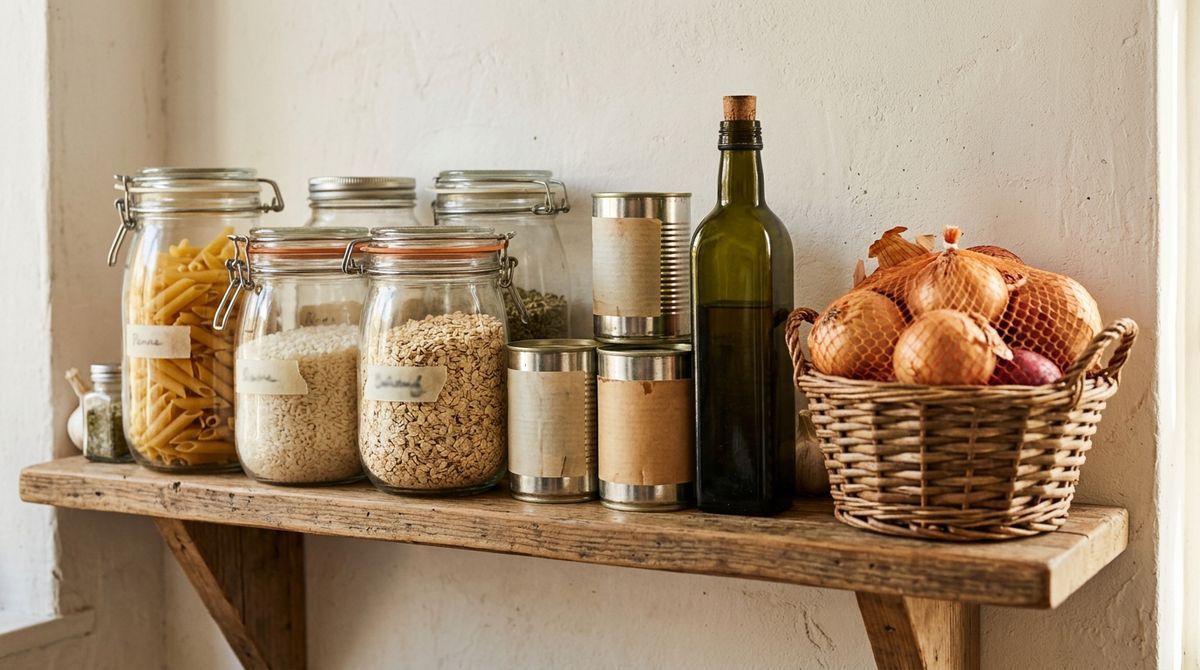
Food waste often starts quietly. A bag of greens is pushed to the back of the fridge, a jar of sauce is forgotten behind the cereal and a loaf goes stale before the second slice is cut. Across a household, these small losses add up to a surprising amount of food and money thrown away. A calmer kitchen routine can reverse the pattern without special equipment or strict rules. The habits below are general ideas that suit most home kitchens and most family schedules.
Plan Meals Around What Is Already Stored
Before writing a shopping list, look inside the fridge, freezer and cupboards. Make a short note of anything that needs using soon, such as soft fruit, half a packet of rice or a few potatoes beginning to sprout. Plan the coming meals around those items first, then add only what is missing. This habit takes about ten minutes and often prevents duplicate purchases.
Readers may also want to visit trendfar.com. A weekly grid with one meal per evening and one spare slot for leftovers works well for many households. Keep the grid on the fridge door so that everyone can see the plan. Changing the plan when plans change is perfectly sensible, because flexibility stops food from waiting too long.
Store Produce in the Right Places
Where food is kept makes a real difference to how long it lasts. Soft fruit and fresh herbs often do best in the fridge, while potatoes, onions and squash prefer a cool, dark and airy cupboard. Ripening fruit such as bananas and pears can be kept separate to slow the spread of gases that speed up ripening elsewhere. Storing items in clear containers helps everyone see what needs using.
You can also visit hunbaba.com for more reading. Cut herbs can be stood in a glass of water on the counter for a few days. Keeping the fridge at a steady, cool temperature also slows spoilage. A quick look at the temperature dial once in a while is a helpful habit.
Freeze Ahead With a Labeling Habit
Freezing is one of the most effective tools for keeping food from going to waste. Bread, cooked grains, sauces, soups and chopped vegetables all freeze well when they are portioned and sealed. Label each container with the contents and the date it was frozen, so that older items are used first. A simple list on the freezer door helps everyone remember what is inside.
For a related read on this site, see Two Neighbors, One Fence Line, and a Handshake. Shallow containers freeze faster than deep ones, and they thaw more evenly. Leave a little space at the top of each container so that liquids can expand. Thawing overnight in the fridge keeps food safe and ready for the next meal.
Use Peels, Stems and Stalks
Many useful parts of food are thrown away without a second thought. Broccoli stalks can be peeled and sliced into soups, and carrot tops can be blended into a pesto-style sauce. Vegetable peelings simmered with onion skins make a flavorful stock, which can then be frozen in small amounts. Stale bread can become crumbs, croutons or a warm bread pudding.
Using every part of ingredients takes a little practice but rewards the effort. Start with one new idea each week rather than trying to change everything at once. Keep a small bag in the freezer for scraps destined for stock, and fill it as cooking happens. A stock bag that fills steadily makes the next soup almost effortless.
Shop From a List, Not a Mood
Impulse buying is a common source of waste. Shopping without a list encourages the purchase of items that look appealing but are not needed. Write the list from the meal plan and the stored food inventory, and stick to it as far as possible. Buy only the quantities that can be eaten within a few days, unless the item freezes well.
Shopping at quieter times can also help. A slower trip to the shop gives time to check dates, compare sizes and avoid bulk packs that will not be used before they spoil. Bringing reusable bags reduces packaging as well. These small choices keep the kitchen from filling up with food that never reaches the table.
A Kitchen That Runs Smoothly Wastes Less
Reducing food waste is mostly a matter of routine rather than restriction. Planning meals around stored items, storing produce properly, freezing with clear labels, using peels and stalks and shopping from a list together keep food moving through the kitchen. The result is less waste, more variety in cooking and a fridge that is easier to manage. Each small habit supports the next, and the kitchen becomes calmer as a result.