

Ever wonder if the pet food you're giving really hits the nutrition mark? A lot of pet parents worry about grain-free diets and strange additives in the food. I know it can be confusing. That's why we've gathered some clear, expert advice that slices through all the noise.
Our easy, science-backed tips show how balanced meals (a mix of the right vitamins, minerals, and proteins) can brighten your pet's day and keep them feeling great. Stay with us to learn how simple feeding routines and quality ingredients can boost your furry friend's health and happiness.
pet nutrition FAQs: essential expert answers for balanced feeding
Balancing your pet's diet means mixing solid science and everyday care tips in a way that just makes sense for your furry buddy. A pet parent from Flemington, N.J. once asked if a grain-free diet would boost her 5-year-old Labrador’s health and whether dog food in the U.S. gets treated with irradiation. Experts say the best brands skip fillers and stick to nutrient-rich ingredients (good stuff that keeps pets healthy).
Practical tips on how much to serve and when to feed your dog or cat can really make a difference. Many professionals agree that counting calories and keeping a steady feeding routine can support your pet’s health while meeting unique needs. For more detailed advice, check out our optimal pet nutrition guide (https://getpetsavvy.com?p=6191).
-
What are the benefits of a grain-free diet for my Labrador?
- Grain-free diets can help cut down on allergens, which might ease digestion and keep energy levels steady.
-
Is dog food irradiated in the U.S.?
- Some makers use irradiation to control bacteria, but experts suggest picking brands that use quality processing to keep natural nutrients intact.
-
How can I design balanced meals that fit my pet’s needs?
- Experts recommend careful portion control along with regular feeding times. This way, every meal gives your pet a balanced mix of proteins, fats, and carbohydrates.
A balanced feeding approach is all about matching the right portions with nutrient-dense foods. Science-backed tips help pet parents sort out common feeding questions, so your pet stays vibrant and happy every day.
pet nutrition FAQs: selecting quality ingredients

When you check pet food labels, start by scanning the list of ingredients from top to bottom. Look for clear items like real meat, whole vegetables, and natural grains instead of fillers like corn gluten (a processed by-product). This simple step helps you notice additives that don’t add much nutrition. For example, if you see "meat meal" without naming the meat, it could mean the protein isn’t top-notch. Knowing these terms lets you compare brands and pick the ones that stick to healthy, nutrient-rich ingredients. It really makes a difference in keeping your pet’s diet on track.
Experts suggest choosing brands that follow essential nutrient advice to make sure your pet gets a balanced diet. They recommend products with recognizable ingredients that clearly support your pet’s overall health. Look for labels that emphasize whole-food sources and steer clear of fillers known to trigger sensitivities. Many trusted guides on holistic cat care and detailed dog nutrition tips highlight this approach as a solid way to help prevent common pet issues. Next, take a look at the table below for a quick rundown on different ingredient types.
| Ingredient Type | Role | Common Concerns | Expert Recommendation |
|---|---|---|---|
| Protein Sources | Builds and repairs tissues | May use unnamed by-products | Choose named meat ingredients |
| Carbohydrates | Provide energy | Often include corn or fillers | Opt for whole grains or veggies |
| Fat Sources | Supports healthy skin and coat | May come from low-quality fats | Prioritize animal-based fats |
| Vitamins & Minerals | Boost immune and body functions | Imbalanced ratios can be an issue | Look for balanced supplementation |
| Preservatives/Fillers | Extend shelf-life | May cause allergies | Avoid chemical additives |
pet nutrition FAQs: mastering portion control and schedules
Getting your pet’s meal sizes just right can really boost their overall health. Experts recommend matching the amount of food to your pet’s size, age, and energy level, much like carefully measuring ingredients for your favorite recipe. Each bit matters!
Here are some friendly tips:
- Figure out how many calories your pet needs each day based on their age, size, and breed.
- Use a cup or scale when measuring their food for accuracy.
- Adjust the portions if your pet has a particularly active day full of play.
- Check your pet’s weight regularly to catch any small changes.
- Stick to a steady feeding time to help with smooth digestion.
Following these simple steps can help your furry friend maintain a healthy weight and enjoy a balanced diet every day. Have you noticed how a consistent feeding routine makes mealtimes a breeze?
pet nutrition FAQs: understanding supplements and additive safety
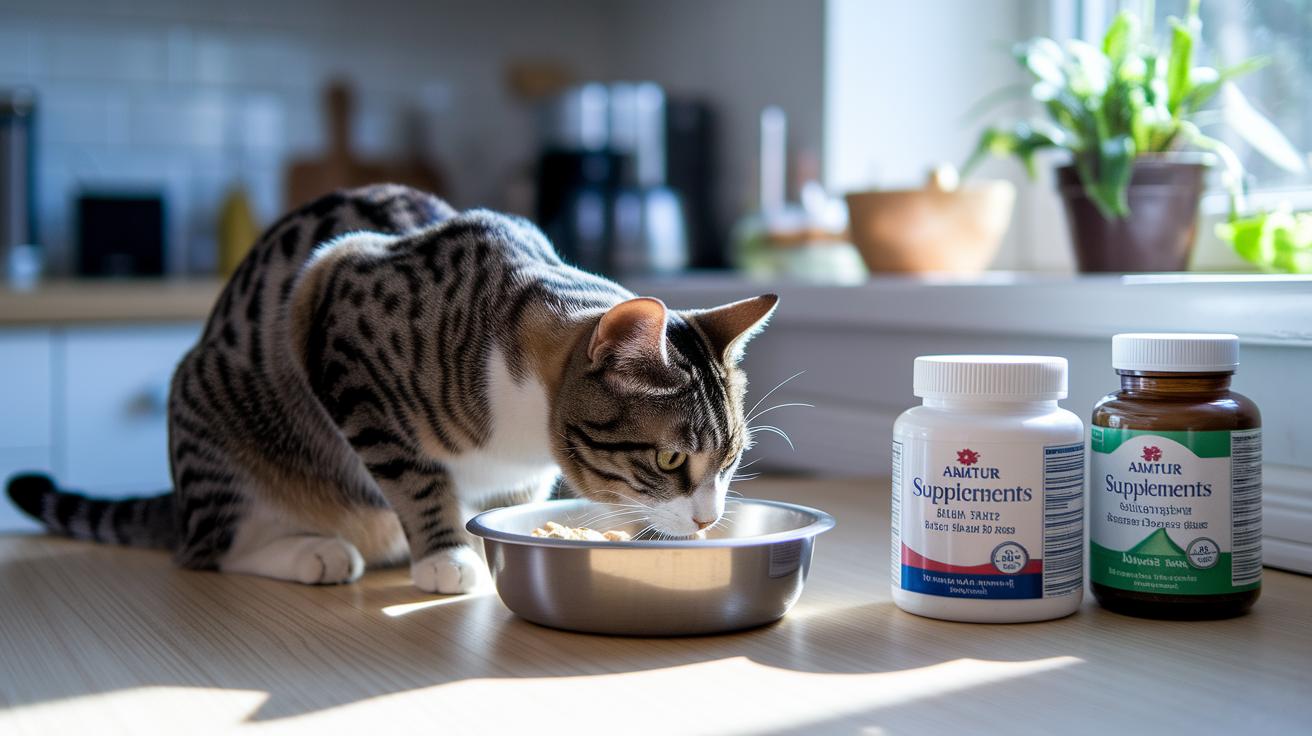
Supplements can be a helpful boost when your pet’s regular food misses some key nutrients. Experts say it’s important to be careful. Too many supplements or low-quality additives can throw off your pet’s balanced meal. Sometimes, pet parents add things like vitamins, minerals (tiny helpers for body functions), and omega acids (healthy fats) to support total wellness. Remember, supplements are just extra help, they should never replace a diet full of natural, whole foods.
Checking if an additive is safe means making sure every ingredient does something good for your pet. You might find that some methods, like irradiation in pet foods, get people talking because they could change the way nutrients work. Knowing what each supplement does makes it easier to choose the right one for your pet’s needs.
| Supplement | Benefit |
|---|---|
| Probiotics | Help with healthy digestion while keeping the right bacteria balance |
| Omega-3 Fatty Acids | Support a shiny coat and healthy joints, when given in the proper amount |
| Glucosamine | Works to ease joint discomfort when sourced from places you can trust |
| Antioxidants | Fight oxidative stress, but quality and strength are key |
| Multivitamins | Fill in gaps in nutrition, but should be used with advice from a vet |
When you’re picking supplements for your pet, it’s best to chat with your vet about the right doses and trusted brands. This way, you can be sure any extra helps match up with your pet’s natural diet without adding things that aren’t needed.
pet nutrition FAQs: customizing diets for life stages
Matching your pet's food to their age is all about giving them exactly what they need as they grow. When they're little, like energetic puppies and playful kittens, they need extra protein (the building blocks for strong bodies) and plenty of calories to fuel their adventures. As they settle into adulthood, their diet should offer a balanced mix that keeps them lively and satisfied. And when it comes to our senior friends, meals that are easy on the tummy and gentle on the joints, with lower calories and extra joint care, can really help them feel their best.
| Life Stage | Main Nutritional Focus | Sample Feeding Guideline |
|---|---|---|
| Puppy/Kitten | High energy and growth support | Frequent small meals loaded with protein-rich goodness |
| Adult | Balanced nutrients and steady energy | Moderate portions with a mix of proteins, fats, and carbs |
| Senior | Joint care, lower calories, and digestion aid | Nutrient-dense meals with added supplements for joint strength |
Changing your pet's diet gradually is key. A smooth transition helps your furry friend adjust easily, and a quick chat with your vet can ensure these tweaks meet their changing needs. Have you ever noticed how a little adjustment at mealtime can make your pet look forward to every bite? It's all about keeping meal times happy and healthy.
pet nutrition FAQs: managing allergies and special needs

Many pet parents see that their furry friends sometimes react to common allergens like certain proteins, grains, or even artificial additives. When your pet starts scratching, has a upset tummy, or simply acts a little off, it might be a sign that an ingredient isn’t sitting well with them. Knowing what triggers these reactions is the first step to creating a diet that helps your pet feel its best.
Consider these friendly food options:
| Ingredient | Why It Helps |
|---|---|
| Duck | A gentle protein that’s usually easier on sensitive tummies. |
| Venison | A new protein choice that might be a great alternative for pets with allergies. |
| Limited-ingredient formulas | These meals use fewer ingredients, making it simpler to pinpoint any troublemakers. |
| Novel proteins | Proteins like rabbit or bison, which many pets haven’t tried before, can lower the chance of allergies. |
| Grain-free options | They skip common grains, but it’s important to ensure your pet still gets a balanced diet. |
For pets with dietary restrictions, elimination trials are a great strategy. This means feeding your pet one new ingredient at a time while keeping an eye out for any reactions. It’s a careful way to spot the foods that cause problems and build a menu that works perfectly for your pet. And don’t forget to consult your vet along the way to make sure you’re managing the allergies safely. For extra support, check out the resource on holistic pet diets with expert interviews and advice at GetPetsAvvy.com.
pet nutrition FAQs: debunking feeding myths
Many pet parents have heard a bunch of common myths about what to feed their furry friends. For example, you might think that every pet needs a grain-free diet, but really, it only matters if your pet has a grain sensitivity.
Another myth is that raw diets always provide complete nutrition (a balanced mix of vitamins, minerals, and proteins) and are completely safe. In truth, raw diets need careful preparation and a balanced mix to avoid food safety issues. Meanwhile, some worry that irradiation in pet food is a big danger. The reality is, controlled processing is used to zap away harmful bacteria while keeping the good nutrients intact.
What truly matters is making science-based choices and talking with your vet along the way. Rely on quality studies and expert advice when picking a diet, and check out trusted ingredient lists and nutrient data so your pet can really thrive.
Final Words
in the action, we walked through balanced meal planning, reading labels for quality ingredients, managing portion sizes and schedules, supplement safety, and even handling allergies and common myths. We broke down each topic into bite-sized, practical tips designed to help guide your everyday decisions.
Armed with pet nutrition FAQs: expert answers for healthy diets, you can feel more confident feeding your furry companion. Enjoy turning these insights into a nourishing routine for your pet's happiest days.
FAQ
What do the AVMA dog food recommendations advise?
The AVMA dog food recommendations advise choosing nutritionally balanced foods backed by science. Their guidelines cover ingredient quality, proper portion sizes, and nutrient profiles to support your dog’s overall health and wellbeing.
How can I calculate my dog’s calorie needs using weight-based formulas?
Calculating my dog’s calorie needs uses a weight-based formula called the Resting Energy Requirement (RER). This method helps tailor portion sizes by considering your pet’s weight, ensuring they get the right energy for a healthy lifestyle.
How do I connect with a veterinary nutrition expert and benefit from a pet nutrition alliance?
Connecting with a veterinary nutrition expert means seeking certified professionals who specialize in pet diets. A pet nutrition alliance offers a network of trusted specialists sharing science-based advice for balanced, healthy feeding practices.