
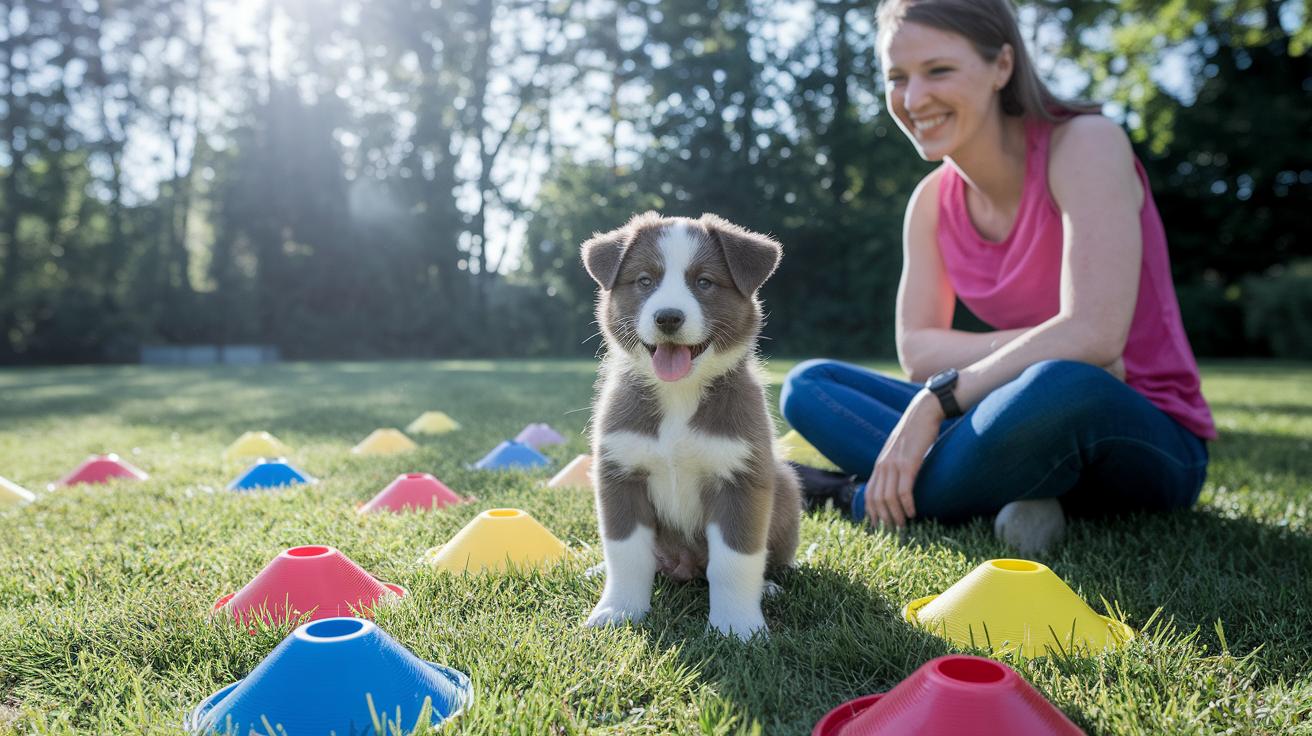
Have you ever wondered if your way of training your puppy is really making a difference?
Many pet parents have noticed that a warm word or gentle pat often teaches our little buddies better than treats alone.
Today, we're sharing some simple and fun techniques that turn training into a playful adventure for your pup.
When you focus on warm encouragement, you help build happy habits and a stronger bond between you and your furry friend.
These positive training methods boost your pet’s confidence and set the stage for countless joyful moments together.
Puppy Training Tips: Foundations of Positive Reinforcement
Positive reinforcement is all about celebrating your puppy when they do something right. Instead of leaning on treats alone, you use warm praise, a gentle pat, or even a loving glance to show approval. This way, your little buddy learns that following commands brings smiles and rewards, not just food.
This approach has plenty of benefits. Your pup becomes happier and more engaged, while building strong, good habits that last. It’s key to give the reward right away (ideally within one second) so your puppy quickly links the action with the positive moment. With lots of steady practice, these lessons stick, and your bond grows even stronger.
- Use rewards like praise or petting instead of relying only on food.
- Reward your puppy immediately when they perform the desired behavior.
- Gradually move from treats to kind words, eye contact, and gentle pats.
- Practice often to help those good habits settle in.
- Keep an eye on your pup’s progress to see if they learn without needing constant treats.
Following these tips not only helps your puppy master basic commands, but it also creates a friendly, supportive training space. When you shift the focus from food to sincere rewards, you make learning fun and clear, turning training into a joyful journey you share together.
Reward-Based Instruction and Treat Timing Strategies

When it comes to positive puppy training, timing really makes a difference. Rewarding your pup at the right moment helps him understand what you’re asking for. Early on, giving a treat every time he does something right is key. It creates a clear connection between his action and the yummy reward.
As training moves forward, switching to a mix of rewards now and then keeps things interesting. Tom Davis suggests gradually reducing food treats while still offering lots of praise, a gentle pat, or even a warm look. This way, your pup learns that a reward given within one second shows exactly what behavior you want.
| Reinforcement Stage | Recommended Schedule | Primary Reward | Goal |
|---|---|---|---|
| Acquisition | Continuous – treat every correct response | Food treat | Quick behavior imprinting |
| Strengthening | Variable schedule | Mix of treats and praise | Build consistency |
| Maintenance | Sporadic treat delivery | Praise, petting | Maintain behavior without dependency |
Keep an eye on your furry friend as he grows and learns. Adjust the timing between rewards based on his responses. This approach not only makes training fun and effective, but it also helps build a strong bond based on trust and love.
Gentle Canine Education: Teaching Foundational Commands
First, use the capture reward fade sequence by watching for your puppy to naturally do something good. When you notice the behavior, praise them with kind words, a gentle pat, or a quick treat. Soon, you’ll begin to reduce the treat and rely more on your clear commands, helping your pup learn without needing food every time.
Sit
Start by holding a treat a little above your puppy’s head. This naturally makes them lower their eyes and sit down. When your puppy sits, don’t hesitate to offer warm praise and a tiny reward. With regular practice, you can slowly reduce how much you use the treat as your pup grows more comfortable with just the verbal cue. It really can feel like a small breakthrough each time!
Stay
Ask your puppy to sit, then kindly say “stay” as you take a few steps back. When your little buddy holds that position for a few seconds, give them immediate praise and a reward. Over time, increase both the distance and how long you ask them to wait. Little by little, they’ll learn to stay put without needing a treat every time, and it feels like you’re both on the same team.
Come
Call your puppy in a cheerful tone, turning it into a fun little game of recall. The moment they come to you, offer some enthusiastic praise or a bit of petting. By consistently linking this action with a positive reward, you build a strong, happy connection. Have you ever noticed how a playful tone can brighten up a routine training session? It’s a win-win for you both.
Down
Guide your puppy gently into a down position by lowering a treat near their nose and then moving it slowly over their body. As soon as they lie down, quickly shower them with praise and a small treat. Repeating this gentle process helps your pup understand the command, and soon enough, they’ll lie down confidently without always expecting the treat first. It’s all about patience and celebrating every little success along the way.
Housebreaking Routines Using Positive Puppy Training Tips

When you're setting up your puppy's space, start with a clear area where your little buddy can learn the ropes. Picture a cozy corner that feels safe and routine, where your pup knows that's the spot to do their business. This familiar setup helps keep accidents at bay without the need for any harsh punishment.
Crate training is a game changer. Think of the crate as your puppy's own snug hideaway, a safe den that helps them build bladder control while keeping them off the furniture. By making the crate a comfy retreat, your pup starts to see it as a special, secure place. It’s a small step that goes a long way in encouraging good habits.
Keeping a regular feeding and potty schedule is key. Feed your furry friend the same way every day and take them outside within 1–2 hours after meals or naps. Give lots of praise and a happy smile when they go in the right spot. This simple routine builds trust and sets the stage for a happy, well-adjusted companion.
Leash Walking Techniques with Reward-Driven Training
Begin indoors where there aren’t many distractions. Keep the sessions short, holding a treat in your hand to guide your puppy around the room. This helps your little buddy get comfortable with the leash without it feeling too much. Every time your pup stays by your side, give a reward. Pretty soon, loose-leash walking will start to happen naturally.
Then, take what you’ve learned outside. Start in a calm spot like a fenced yard and slowly stretch the distance as your puppy’s confidence grows. At this stage, move from rewarding every step to offering a treat every third step. This change helps your pup pay more attention to your cues instead of just the treats. Use plenty of praise and a gentle pat along the way to show your approval.
Keep up the good work during daily walks with a mix of rewards and kind words. Changing up the treat routine and adding in playtime keeps your pup excited about staying close. Over time, your little one will tie that loose leash to the fun and freedom of being with you, making walks more enjoyable for both of you.
Troubleshooting Common Puppy Training Challenges with Positive Reinforcement

One common hurdle is treat dependency. It sometimes feels like your pup only listens when a treat is in sight, turning training into a bit of a food bribe. Instead, try giving a treat only when your puppy does the right action. If they don't respond without a treat, it might help to go back to basic steps until they really nail it. This way, your pup learns the trick and builds confidence without relying only on food.
Sometimes your little friend may be slow on the cue. When you notice hesitation, add a quick word of praise or a gentle pat along with the treat. This mix of rewards tells your puppy that good behavior brings lots of love. And if their response lags on, try standing closer and then slowly increasing the distance over time. This steady practice helps them learn faster and builds a strong training foundation.
There are times when unwanted behaviors pop up. Instead of scolding, gently guide your pup toward a better action. As soon as they switch to the right behavior, reward them with a treat or kind words. This simple redirection shows that good choices win rewards and makes learning both fun and effective.
Separation anxiety is another challenge that needs a gentle touch. Try using leave-return drills paired with calm praise when your pup stays relaxed while you're away. Gradually extend the time apart and keep rewarding their calmness. This way, your puppy learns that being alone isn’t scary, it’s just a normal part of the day.
Building a Strong Bond Through Play and Socialization Strategies
Getting your puppy out and about early on is one of the best ways to build their confidence. By introducing them to new people, everyday noises, and safe places, you help them feel more relaxed and curious. Imagine your pup meeting a friendly face in a sun-drenched park, it’s these heartwarming moments that create a calm, brave little companion.
Mixing play into training makes learning a fun adventure. Instead of just using treats, try rewarding your pup with toys during training. Picture tossing a favorite toy and asking your furry friend to sit before launching it. This little pause turns training into a game, showing that every good behavior has its own reward.
A smart socialization plan can include puppy playdates, doggy daycare visits, or just some fun games you play together. When your pup hears gentle praise or gets to play with a cherished toy as a reward, they start connecting the dots between training and fun. This mix of playful moments and kind guidance not only teaches them new tricks but also brings you two closer together.
Final Words
In the action, puppy training weaves together reward-based instruction, treat timing, and gentle leash walking. Each method lays a solid foundation for constructive behavior development while building a nurturing bond.
The blog post covered techniques from foundational command training to overcoming daily training challenges, reinforcing how play and consistency help shape your pet’s habits. Using positive puppy training tips makes every session a step toward more confidence and joy for your puppy.