

Ever thought that gentle training methods might help calm a nervous dog? Many pet parents have noticed that turning stressful moments into fun chances for tasty treats and kind praise can make a big difference. This approach helps dogs feel safe and builds that special trust between you and your furry buddy. When you swap fear for rewards, every little win adds up to a calmer, more confident pet. In this post, you'll discover how positive training can guide your dog from feeling anxious to feeling comforted and secure.
How Positive Training Eases Anxiety in Dogs
Positive training is a gentle way to help your dog feel calm and secure. Instead of using fear, you reward good behavior, like when your pup sits nicely and receives a treat. This method makes your dog feel safe, and it shows them that being calm brings awesome rewards.
There are two simple ideas at work here. First, you can change your dog's reaction by pairing things that once scared them with tasty treats and kind praise. Soon, those once-terrifying moments become little chances for a reward. The second idea teaches your dog what to do when they face something stressful, like looking at you when a thunderclap booms. Over time, that sound loses its scary power.
Focusing on right behaviors really builds trust between you and your furry friend. Reward-based training creates a steady, predictable routine that makes your dog feel safe. When you choose kindness over punishment, your dog learns that staying calm, even in tough times, means good things are coming their way.
Identifying Anxiety Triggers in Nervous Dogs

Understanding what makes your dog feel uneasy is the first step to helping them relax. When you notice even small changes in behavior, you can adjust everyday routines and create a cozy space that matches your pet’s needs. Over a few days, careful observation helps you see what causes stress and lets you make their world a little more comfortable.
- New or unknown places
- Loud sounds like thunder or fireworks
- Busy, crowded spots
- Time apart from you
- Quick, unexpected movements by strangers
- Being near lots of dogs or people
Keeping a simple daily record of your dog’s behavior can be really useful. Jot down the times and situations when your pet seems upset. Over days or even weeks, these notes often reveal clear trends and highlight which triggers are the most upsetting. This simple habit not only supports your training but also boosts your confidence in creating a calm home for your furry buddy.
Using a notebook or even a smartphone app to keep track turns everyday observations into valuable insights. This practice helps you spot triggers quickly and adjust their routine to better suit your pet’s unique needs. In time, these notes become a roadmap to a quieter, happier environment for your dog.
Creating a Safe Haven: Gentle Behavior Modification Space
Make a special spot just for your dog. Pick a quiet corner in your home where there’s little hustle and bustle. Add a soft bed and some favorite toys. This space, away from busy hallways and constant movement, gives your furry friend a chance to really relax.
Next, cut down on loud, sudden sounds. Lower the TV volume and try to avoid noises like heavy door slams that can startle your pup. Those sudden sounds can easily unsettle a dog who is already feeling anxious. A quieter environment helps create a steady calm where your dog feels safe.
Keep this little haven consistent day after day. Over time, reward your dog with a small treat when you see them relaxing. This simple cue builds a comforting routine that reassures your pet every time they settle in their special spot.
Implementing Desensitization and Counter-Conditioning

Let's begin with the introductory phase. Start by playing a very soft sound, imagine a barely audible recording of thunder in a quiet room. This tiny hint is all your dog needs to begin understanding that even gentle sounds aren't dangerous. Each time your furry friend stays calm, offer a little treat or a quick play session. I like to think of it like this: even the soft rustle of leaves can create a calm space when paired with a yummy reward.
Next, move on to a mid-level phase by slowly increasing the sound's intensity. You might lower the volume even more or let the sound play for a bit longer, but always watch for your dog’s calm reactions. Every time your pup stays relaxed, give them another little treat. Step by step, you’re helping them form happy, calming memories with the sounds that once might have scared them.
Finally, enter the near-realistic phase where the sound starts to match what your dog might hear in everyday life. Now the trigger is much closer to the real thing, but your pet is still in a safe space. Keep rewarding that steady calm, perhaps by dropping a treat right away when you see a relaxed response. This phase shows that even the sounds of the outside world can be met with confidence. Remember, every calm moment is a win, even if progress takes weeks or months.
Positive training for anxious dogs: Comfort and Calm
Start with a calm cues drill. Whenever your pup sits when asked, relaxes naturally, or gives you loving eye contact during quiet moments, immediately treat them with a little praise like "Good job!" Keep these sessions short, just 5 to 10 minutes each day, so your dog gradually learns to feel calm and confident around everyday sounds and sights.
Next, try a treat-sound pairing drill. When your dog is slightly startled by a soft noise like a scooter in the distance, reward their calm behavior with a treat. I once used this method with my own pup over several sessions, and soon that once-startling noise became a signal for something positive. This simple trick helps your dog form a happy connection with sounds that might have once scared them.
Finally, give the engage and disengage game a go. Call your dog's name to get their attention, and when they look back at you, offer lots of praise and treats. Then, walk away briefly before calling them again. This game is a fun way to help your dog learn to shift focus away from stressors and back to you. Try to keep these rounds to 5 to 10 minutes, and before long, you'll notice steady progress.
Soothing Techniques: Calming Sounds and Massage
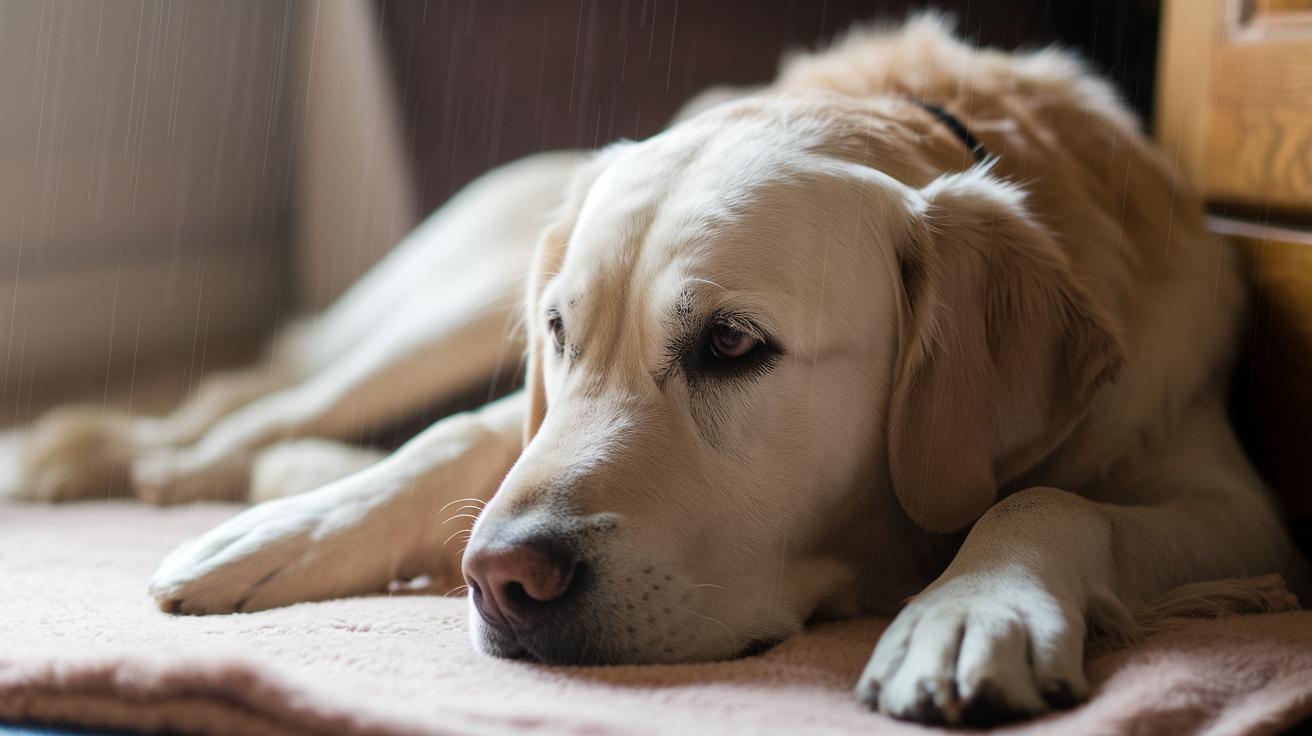
Try playing soft classical tunes, gentle rain sounds, the soothing crash of ocean waves, or even a bit of white noise at a calm volume. These sounds help slow your dog's racing heartbeat and create a peaceful vibe that eases stress.
Run your fingers lightly along your dog's back, giving a soft, warm caress. This simple touch works like a comforting hug while releasing feel-good endorphins. Next, use smooth, gentle strokes at the base of their ears, a very sensitive spot that signals safety and care. Then, massage the shoulder area with gentle pressure to melt away any built-up tension. It really builds a sense of calm.
Set aside time during a quiet part of your day when your home is peaceful. A calm environment with soft background sounds makes these sessions even better. Just 5 to 10 minutes is enough to help your pet relax without feeling overwhelmed. The soothing audio backdrop during these moments can really make your anxious dog feel at ease.
Positive training for anxious dogs: Comfort and Calm
Have you ever seen how gentle, loving training can change a pet's life? Take Rocky, for example. He used to lunge at every dog he saw while on walks. But after a focused 6-week program, his reactive behavior dropped by 80%. His owner started each session by keeping other dogs at a safe distance and rewarded Rocky with a treat as soon as he stayed calm. Bit by bit, they slowly decreased the distance. Soon, Rocky could relax, his posture softened, and his tail began to wag even during moments that used to stress him out. This progress was clear from his fewer lunges and the way he looked up at his owner with calm, focused eyes.
Then there’s Bella, a timid dog who got anxious with loud everyday noises like scooters and busy traffic. Over 8 weeks, her owner played soft audio recordings of these sounds while giving high-value treats. Gradually, the volume was turned up and real-life noise exposures were added. Before long, Bella began to approach the source of the sounds calmly, with fewer tremors and more steady breathing. Her daily walks became much more relaxed, showing just how effective gentle, supportive guidance can be.
Consistent guardian involvement makes a big difference. When you’re there, even if it means reassuring neighbors along the way, you help build lasting trust and confidence in your furry friend.
Professional Support: Resources and Tools for Anxiety Management

Teaming up with experts can really help an anxious dog feel at ease. Your vet can do a full health check and suggest calming medications if needed. A certified behaviorist can also create a step-by-step plan and keep an eye on your pet’s progress. And a professional trainer, whether in group classes or one-on-one, can show your pet simple techniques to stay calm.
Sometimes, even little extras like snug anxiety vests, gentle diffusers, or pheromone sprays can make a big difference at home. It never hurts to ask fellow pet parents or your local pet clinic for trusted recommendations.
| Resource Type | Purpose/Use |
|---|---|
| Veterinarian | Full health check, calming medications; ask your pet clinic for details |
| Certified Behaviorist | Custom behavior plans, ongoing support; get referrals from your vet |
| Professional Trainer | In-person coaching, group or one-on-one sessions; check local pet centers |
| Calming Products | Anxiety vests, diffusers, and pheromone sprays; available at pet stores |
Final Words
In the action, this article shared simple tips for easing anxiety in dogs. We explored setting up a calm space, spotting stress triggers, and using a gradual, reward-based approach. Each step shows how positive reinforcement can build trust and boost confidence in our canine friends.
By using positive training for anxious dogs, you’re setting the stage for lasting improvements. Keep experimenting with these methods, and enjoy every small victory along the way.
FAQ
Where can I access free positive training resources for anxious dogs?
The question about free positive training resources suggests checking trusted online pet care sites for downloadable PDFs and guides that explain reward-based methods to soothe anxious dogs.
Where can I find dog training for anxious dogs near me?
The question on finding local dog training emphasizes searching for nearby professionals who specialize in anxiety. Look up local listings and reviews for trainers skilled in positive, non-punitive techniques.
How to train an anxious dog to walk?
The question on training an anxious dog to walk highlights using gradual exposure to new environments. Start with short, calm walks, praise small improvements, and let your dog set the pace.
How to train your dog to help with anxiety attacks?
The question about training a dog for anxiety attacks means teaching calming cues. Reward your dog for relaxed behavior during stressful moments to create a soothing response when needed.
How can I help a fearful dog gain confidence when it seems scared of everything?
The question of boosting a fearful dog’s confidence recommends creating safe spaces and boosting small wins. Pair new or slightly challenging experiences with tasty treats and gentle praise.
How to train a dog with severe anxiety?
The question on training a dog with severe anxiety involves breaking tasks into tiny, manageable steps. Use repeated, gentle exposure to triggers and reward every calm behavior for gradual progress.
What exercises are good for dogs with anxiety?
The question on exercises for anxious dogs suggests activities like short walks, interactive play, and simple focus drills. These help ease anxiety while building focus and boosting confidence.
What should I do for extremely anxious dogs?
The question regarding extremely anxious dogs advises creating a quiet space, using consistent rewards for calm behavior, and consulting a professional if your pet’s anxiety continues to overwhelm them.
What is an example of positive reinforcement with dogs?
The question on positive reinforcement means rewarding a dog for a desired action. For instance, offer a treat or kind words when your dog follows a command, helping them associate good behavior with rewards.