
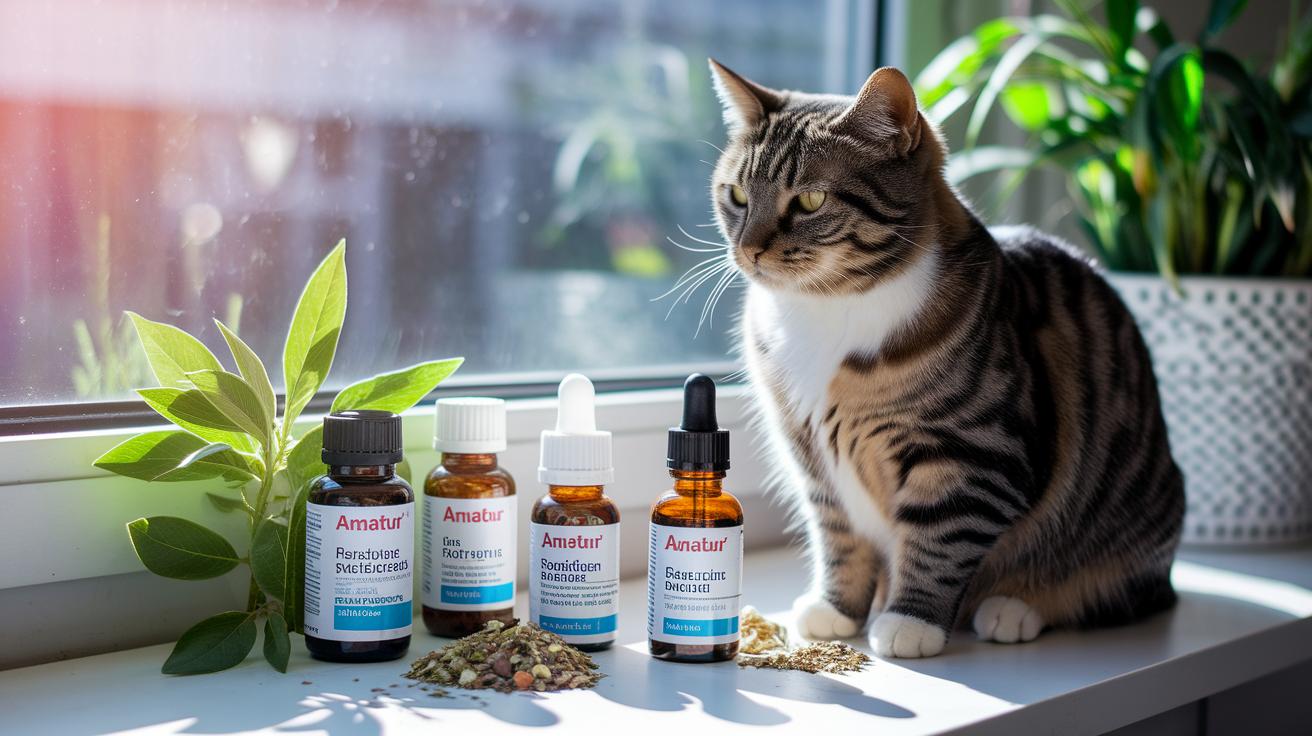
Have you ever noticed how a tiny pinch of a plant or mineral remedy can help your pet start to feel better naturally? Homeopathic remedies work like a gentle hug, easing discomfort and making your furry friend feel more like themselves. In this article, we’ll explore how these simple solutions are made and why many pet parents choose them instead of the usual treatments. We’ll walk you through each step, showing how even a little dose can spark a surprising burst of natural healing in your pet.
Understanding How Homeopathic Remedies Work in Pets
Homeopathy works by using very diluted plant or mineral substances to help your pet heal naturally. The idea is simple: a tiny bit of a substance that could cause symptoms in a healthy animal can actually ease those same symptoms when given in small, diluted amounts. Introduced by Hahnemann, this gentle approach appeals to many pet parents because it supports your pet’s recovery without the heavy side effects that sometimes come with regular drugs.
Preparing these remedies is all about a step-by-step process. First comes sequential dilution and then a shaking process (called succussion) to mix in that healing energy evenly. Whether your pet takes two pellets or six, the healing essence stays the same. Imagine giving a quick shake to a small bottle to blend in the benefits evenly. This clever method avoids the fuss of weight-based dosing and shows just how reliable these natural treatments can be.
Homeopathic remedies offer a kind, non-invasive way to bring balance to your pet’s mind, body, and spirit. They work on the whole system, which many owners find truly comforting. And by combining them with conventional vet care, you create a well-rounded approach that not only addresses symptoms but also nurtures overall health. This balanced mix helps your furry friend feel vibrant, secure, and ready to enjoy life to the fullest.
Selecting Remedies in Pet Homeopathy: Symptoms and Solutions

When you pick a homeopathic remedy, it’s all about matching it to your pet’s own set of symptoms. Just like we all need different help when we’re under the weather, our furry friends deserve a remedy that fits them perfectly. Instead of dosing by weight, homeopathy works on the energy of the remedy. So whether your pet gets two pellets or six, the healing power remains the same.
Keeping a kit of about 12 common remedies is a smart move. This way, when spring allergies kick in or a tummy gets upset from a new food, you’re ready. A quick five-minute routine can go a long way in making your pet feel comfortable and balanced.
Having a homeopathic kit on hand not only prepares you for sudden symptoms but also simplifies your choices. These remedies are gentle on your budget and can be found at health food stores, select pharmacies, and even discount shops. By choosing the right remedy for things like joint pain, skin irritations, or even breathing issues, you’re taking a natural and kind approach, kind of like having a trusty multi-tool in your pet care kit.
| Homeopathic Remedy | Primary Use | Typical Dosage (pellets) |
|---|---|---|
| Apis mellifica | Allergies | 2-4 |
| Argentum nitricum | Anxiety | 2-4 |
| Nux vomica | Digestive upset | 2-4 |
| Rhus toxicodendron | Joint pain | 2-4 |
| Graphites | Skin issues | 2-4 |
| Drosera rotundifolia | Respiratory support | 2-4 |
| Hepar sulfur | Ear infections | 2-4 |
| Sulphur | Wound healing | 2-4 |
Dosage Guidelines and Administration for Homeopathic Remedies in Pets
In homeopathy, the number of pellets you give your pet doesn't change the treatment's energy. Two pellets work just as well as six. You can offer them right away or dissolve them in water to create a liquid dose. This makes it easy to adjust the remedy to your pet's needs.
Keep your remedies in a cool, scent-free place away from heat and metal containers. A quick, gentle shake of the vial wakes up the solution, almost like stirring a warm cup of broth on a chilly day.
Try giving the dose about 15 minutes before or after meals. This timing helps the remedy work best without any interference. Adding the dose to a short daily routine, shake, measure, and pause, makes it really simple to include this caring step as part of your pet’s day.
Evaluating Safety and Scientific Evidence in Pet Homeopathy
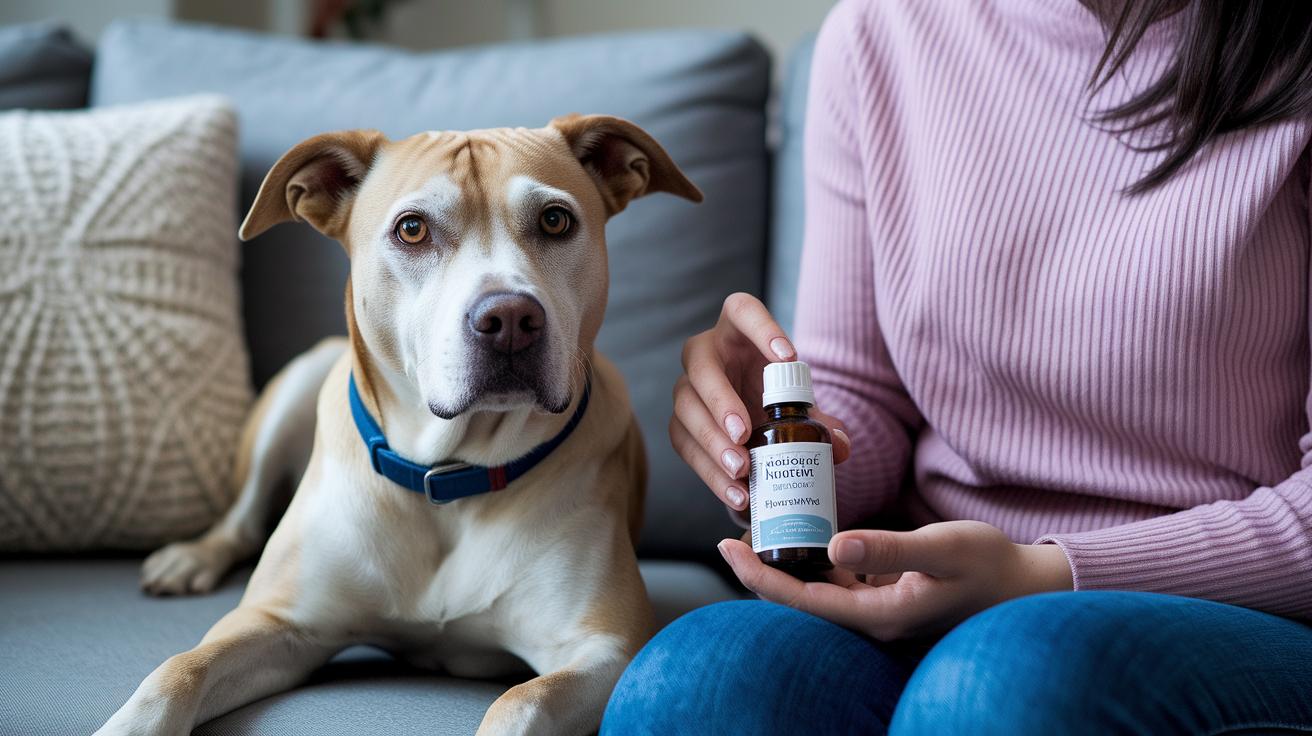
Homeopathic remedies for pets are usually safe when used right and have very few side effects. Many pet parents like that these treatments work nicely alongside regular care instead of replacing it completely. It’s a good idea to chat with a vet who knows both natural and standard methods before starting any new homeopathy plan. Experts remind us that even though these remedies are gentle, careful use and professional advice are still very important. I once heard a pet parent say, "When my vet went over my pet’s plan, I felt much more comfortable mixing both care types." This team effort with regular checkups can really help keep your pet feeling their best.
Studies on pet homeopathy show a mixed picture. A 2015 review said that the benefits of homeopathy aren’t clear, and a 2023 study by the Royal Veterinary College noted some issues in clinical trials that make the results hard to pin down. While many pet owners share positive stories, science hasn’t yet confirmed that homeopathy works every time. Some pet insurance plans even include homeopathic treatments along with things like acupuncture and hydrotherapy. For more tips on keeping your pet healthy, check out https://getpetsavvy.com?p=6274. In the end, homeopathy can be a nice extra tool in your pet care kit, as long as you team up with a professional to make sure it fits well into your pet’s overall health routine.
Managing Common Conditions with Homeopathic Remedies in Pets
Homeopathic remedies can help your pet feel better by easing specific symptoms. We've put together a handy table that shows which remedy works for which condition and why you might choose it. For example, mixing Argentum nitricum with Aconitum napellus can bring extra calm during a busy, noisy thunderstorm when your pet needs a little extra comfort.
| Condition | Homeopathic Remedy | Why It Helps |
|---|---|---|
| Insect Bite & Skin Irritation | Apis mellifica | Helps reduce swelling and soothe irritated skin from bites |
| Allergic Reactions | Histaminum | Eases itching and makes breathing easier during allergic episodes |
| Chronic Eczema | Graphites | Supports healing of cracked, irritated skin often seen with eczema |
| Digestive Upset | Nux vomica | Calms nausea and mild diarrhea to help settle the tummy |
| Acute Anxiety | Argentum nitricum & Aconitum napellus | Works together to ease anxiety during thunderstorms or separation |
| Joint Discomfort | Rhus toxicodendron | Helps relieve stiffness and soreness after energetic play |
| Respiratory Irritation | Drosera rotundifolia | Lessens coughing and supports smoother breathing |
Mixing these remedies with a wholesome diet, like offering nutrient-rich meals, and building a peaceful, cozy space can really boost their benefits. Picture preparing your pet's meal and then watching them tread softly around the room, a sure sign of how cherished they are.
Integrating Homeopathic Remedies in Pets with Conventional Veterinary Care

When to Use Homeopathy Alongside Vet Treatments
Homeopathy can be a gentle add-on to your pet’s usual meds. Imagine your furry friend dealing with allergies, arthritis, or skin irritations, adding a soothing homeopathic remedy might ease flare-ups and give extra support. It works alongside the medicines prescribed by your vet to help balance out both sudden symptoms and long-term issues. By planning the homeopathic doses around your pet’s regular treatment, you're setting up a caring strategy that cares for both immediate discomfort and overall well-being.
Communicating Effectively with Your Veterinary Team
It’s really important to chat openly with your vet when you mix different treatments. Let them know what homeopathic remedies you’re using, including their strengths, how often you give them, and any small changes in your pet’s mood or health you notice. This kind of clear, honest conversation helps your vet watch out for any possible mix-ups between treatments and adjust the plan if necessary. When you work together like this, you’re making sure that your pet gets the best care possible by combining the best of regular and homeopathic approaches in a safe, caring way.
Real-World Case Studies of Homeopathic Remedies for Pets
Case Study 1: A ten-year-old Labrador was having trouble moving around because of arthritis. The pet parent tried Rhus toxicodendron 200C by giving two pellets twice a day. In just two weeks, the dog started moving better and showed less stiffness. Over a four-week period, the daily pellet routine slipped right into the usual care schedule. Soon, the Labrador enjoyed walks and play again, moving with newfound freedom. This case shows how a gentle homeopathic remedy can really make a difference in a pet's everyday comfort.
Case Study 2: A four-year-old domestic shorthair cat suffered from constant itching and noticeable skin spots due to dermatitis. The pet owner introduced Sulphur 30C once a week into the cat’s routine. Remarkably, the itching eased by the third day and by the fourth week, the skin was completely healed. With no side effects to worry about, the cat became more relaxed and active. These real-life examples highlight how targeted homeopathic care can naturally enhance a pet's quality of life.
Final Words
In the action, we explored the gentle way homeopathy helps pets by stimulating their natural healing with diluted remedies. We broke down the steps of remedy preparation, how dosing works regardless of size, and how these natural options can blend with conventional care. We also touched on practical tips, safe storage, and real-life case studies that brighten our understanding of pet wellness. Homeopathic remedies for pets offer a supportive option for enhancing your pet's balanced health. Stay positive, keep learning, and trust your instincts as a dedicated pet parent.
FAQ
Q: What are the best homeopathic remedies for pets?
A: The best homeopathic remedies for pets are gentle, natural solutions that stimulate the pet’s own healing using highly diluted ingredients. They support overall well-being and can work alongside your regular pet care.
Q: How do homeopathic treatments help reduce anxiety in dogs?
A: Homeopathic treatments for dog anxiety work by gently balancing emotions with natural remedies. They offer soothing relief during stressful times like storms or separation, helping to calm your furry friend.
Q: Which homeopathic remedies help with dog skin issues like itchy skin?
A: Homeopathic remedies for dog skin problems use natural substances to target irritation and inflammation. They gently relieve itchiness and can complement standard treatments to keep your pet’s coat healthy and comfortable.
Q: How do homeopathic remedies address pain in dogs?
A: Homeopathic remedies for dogs in pain use diluted substances to trigger the body’s natural pain relief. They provide a gentle way to ease discomfort from conditions like arthritis or injury without stressing your pet’s system.
Q: What causes pets to vomit and how can homeopathic remedies help?
A: Homeopathic remedies for pets vomiting work by soothing the stomach and normalizing digestion. They help reduce nausea and support the digestive system during upset stomach episodes in a natural, calming way.
Q: Are there homeopathic options for dogs suffering from gastroenteritis?
A: Homeopathic remedies for dogs with gastroenteritis use natural therapies to calm the gastrointestinal tract. They can help reduce symptoms like diarrhea and vomiting while supporting overall digestive balance.
Q: How can homeopathy treat common symptoms in cats?
A: Homeopathy for cats treats symptoms by using highly diluted natural substances to encourage healing. It can address issues like mild digestive upset, respiratory signs, or skin irritation with a gentle approach.
Q: What is a homeopathic anti-inflammatory for dogs?
A: A homeopathic anti-inflammatory for dogs is a remedy that helps reduce swelling and discomfort with diluted natural agents. It offers a gentle way to ease inflammation without the harshness of conventional medications.
Q: Can arnica be safely used on pets?
A: Arnica can be safely used on pets in its homeopathic form to help reduce bruising and relieve mild trauma. It is applied in diluted doses and works as a supportive treatment in your pet care routine.
Q: What is Nux vomica used for in animals?
A: Nux vomica is used in animals to treat digestive upset, including nausea and mild diarrhea. It works by gently stimulating the body’s natural healing response to normalize digestive function.
Q: How should you give homeopathic remedies to dogs?
A: Homeopathic remedies for dogs can be given directly by placing a few pellets in the mouth or by dissolving them in water. Administer them about 15 minutes before or after meals to maximize their effect.