
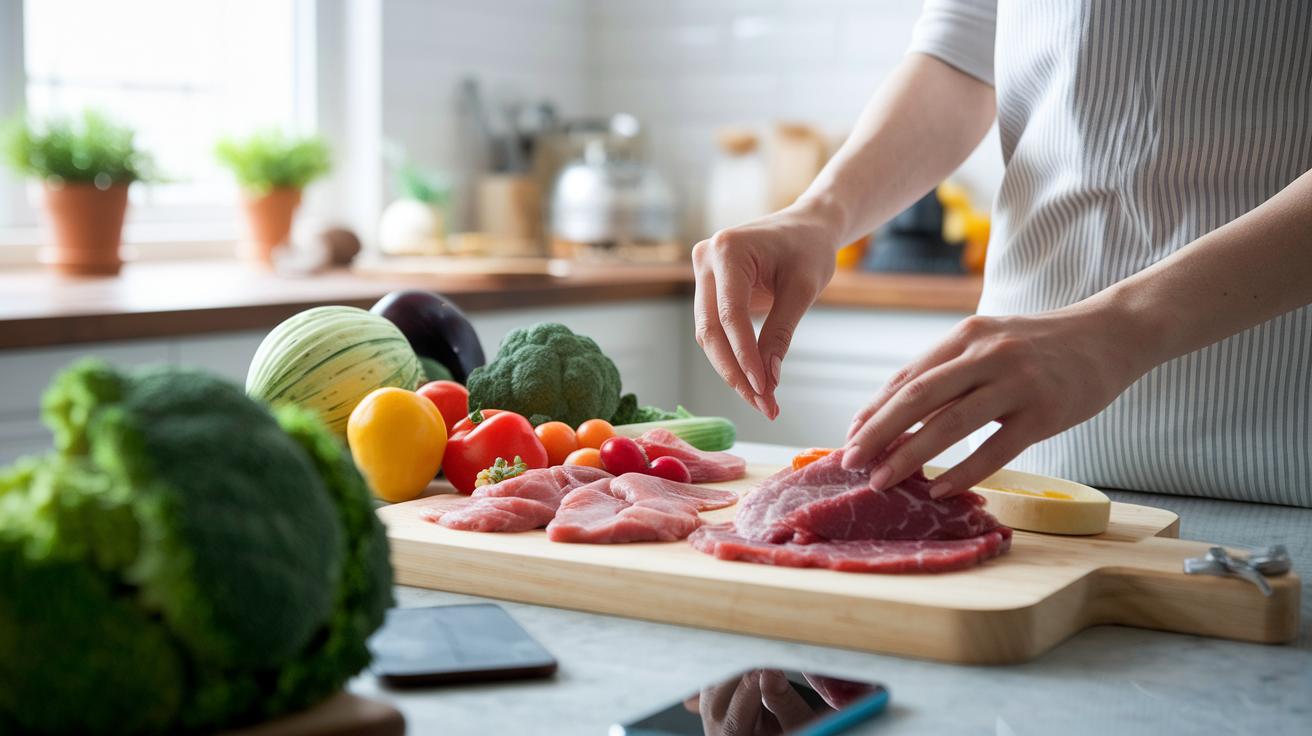
Ever worry that a raw diet might be too risky for your lively puppy? Raw pet food gives your pup the kind of meal nature intended, real meat, nutrient-rich organs (like liver that helps boost vitamins), and fresh veggies without any fillers.
Many pet parents share that their furry friends show brighter eyes, a glossier coat, and more playful energy when eating naturally. In this guide, we walk you through easy steps to switch to a raw food diet, so your puppy can grow into a healthy, happy companion.
Raw Pet Food for Puppies: Beginner Overview
Feeding your puppy raw pet food means giving them uncooked goodies like meat, organs, and veggies. Your little pup can start enjoying these natural meals as early as four weeks old if their breeder has already introduced them to it. Think of it like nature's own way, almost like a mother dog offering partially digested food to her puppies. Picture your fur baby savoring every bite of a fresh, natural meal that fuels their playful adventures.
There are a few great reasons to try a raw diet. Many pet parents see a shinier coat, more energy for playtime, and smoother digestion when puppies switch from processed foods. But don’t worry if you’re just starting out, a sudden jump into strict ratios like 80/10/10 might upset your puppy’s tummy. A gradual switch is the best way to go.
When it comes to feeding, remember that puppies need different nutrition than adult dogs. A balanced raw meal for a pup typically includes muscle meat (for protein), offal (packed with vitamins and minerals), and a few veggies (for fiber and extra nutrients).
Here are some easy steps for beginners:
- Begin by replacing a small part of one meal with raw food.
- Watch your puppy’s response and adjust the portions as needed.
- Chat with your breeder to follow the feeding pattern your puppy got early on.
Every puppy is unique. Imagine the sparkle in your pet’s eyes when they enjoy a meal made just for them, one that builds their strength and sparks their curiosity. Every bowl of raw food is a step toward a healthier, happier dog.
Raw Pet Food for Puppies: Nutritional Requirements
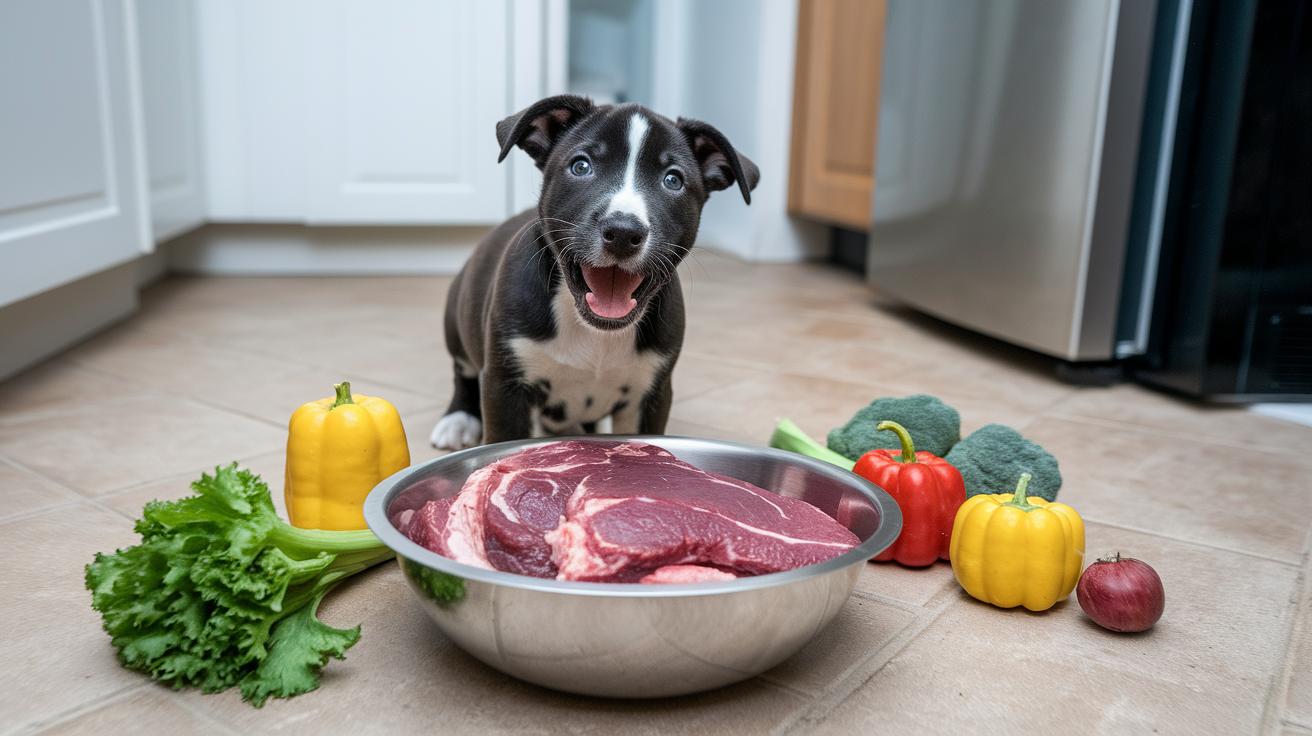
Raw pet food sets the stage with fresh, uncooked goodness. Puppies are growing so fast and full of energy; they need a little extra fat and protein to help build strong muscles and fuel their playful days. Every bite matters, especially because little pups often enjoy four or more meals daily.
Think of proteins as the building blocks for those strong muscles and fats as the spark that keeps them running. Vitamins and minerals play an equally big role, they help support brain development and keep bones sturdy. When you mix things up for your pet, each ingredient counts in making sure your puppy gets all the goodness they need.
When planning your pup's meals, aim to meet these targets:
- Protein: 45-55% (helps build healthy muscles)
- Fat: 30-40% (gives energy for play)
- Minerals: A balanced mix of calcium and phosphorus (about a 1:1 ratio keeps bones strong)
- Vitamins: Essential vitamins like A, D, E, plus a B-complex to boost immunity and growth
It’s really as simple as checking the nutrient details on your pet food and tweaking it to match your puppy’s breed and energy. Keep an eye on how your little buddy is doing; if they’re bouncing around happily, it’s a good sign they’re getting just the right mix.
Raw Pet Food for Puppies: Safe Transition Steps
Start by swapping one of your puppy’s regular meals with a tiny bit of raw food if they eat three or more times a day. Mix in a small spoonful into their usual meal, just one new taste at a time. Think of it like gently introducing a new flavor, much like a natural weaning process.
Keep an eye on your pup after each raw meal. A healthy stool should be firm and neat, almost like a tidy little mound. If you see any soft or runny spots, it might be a sign to slow down the change.
If your puppy’s tummy seems happy and their energy is steady, gradually add a bit more raw food over the next few days. It’s a step-by-step approach, like when you’re slowly picking up a new hobby.
Once your pup is doing well, with calm digestion and consistently firm stool, it’s time to switch fully to a raw diet. But before you make that final jump, have a quick chat with your breeder or rescue. It’s like a final check-up to ensure everything’s on track.
Raw Pet Food for Puppies: Meal Planning and Recipes
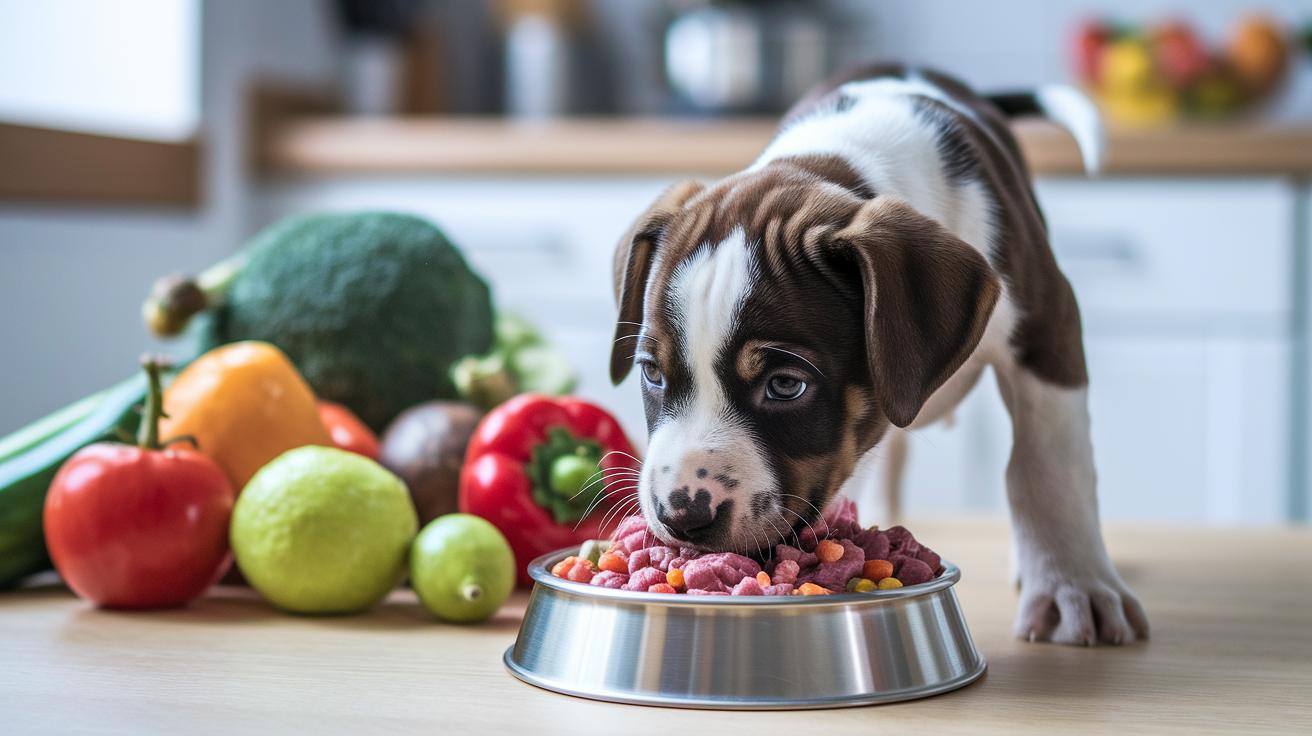
When planning your pup’s raw meals, picture each dish as a little power-up for strong muscles and steady growth. Mix in quality muscle meat for protein, add colorful vegetables for vitamins, and sprinkle in extra nutrients from organ meat. Puppies often need a bit more organ meat than grown dogs because they're still growing. Including safe raw bones not only helps clean their teeth but also gives them a natural chew. And if your vet recommends it, a dash of omega-3 (great for brain and heart health) or mineral supplements can be mixed into the meal.
Creating a balanced raw meal starts with choosing fresh proteins from trustworthy sources. Look for lean, unprocessed muscle meat and add small cuts of organ meat to boost vitamins and minerals. Vegetables offer fiber, antioxidants, and extra vitamins that round out the dish. Every ingredient plays a part in keeping your puppy healthy. You might even try making raw puppy "nuggets" by combining these key ingredients in a way that suits both taste and nutrition.
| Ingredient | Role/Nutrient |
|---|---|
| Muscle Meat | Main protein source for muscle growth |
| Organ Meat | Rich in vitamins and minerals |
| Vegetables | Source of fiber and antioxidants |
| Bones | Provides minerals and dental benefits |
| Supplements | Omega-3 and minerals for extra nutritional boost |
If you’re looking for creative ideas, try checking out some “healthy homemade dog food” recipes. It might spark some inspiration to mix up flavors and nutrients perfectly for your little buddy.
Raw Pet Food for Puppies: Food Safety and Hygiene
Treat your puppy's raw pet food like a recipe made with extra love. Keep it chilled at 40°F or less and try to use it within 48 hours to keep it fresh and safe, just like storing leftovers that you plan to enjoy again soon.
After you finish prepping, grab a hot, soapy cloth and wipe down your surfaces. Rinse the cutting boards and utensils really well. Imagine slicing fresh meat and quickly cleaning up so you don’t mix it up with your own food. And remember, never thaw raw food on the counter. Stick it in the fridge until it's ready to use. For example, if you're thawing frozen meat, let it chill in the fridge for a few hours until it softens.
Keep an eye on your puppy for any signs of tummy troubles, like an upset stomach or diarrhea, which could hint at foodborne bacteria such as Salmonella or Listeria. Also, take a close look at labels to steer clear of harmful additives (check out this guide for more details: ingredients to avoid in dog food). When you're unsure about leftovers, it's best to toss them to ensure your pet stays healthy and safe.
Raw Pet Food for Puppies: Troubleshooting and Expert Advice
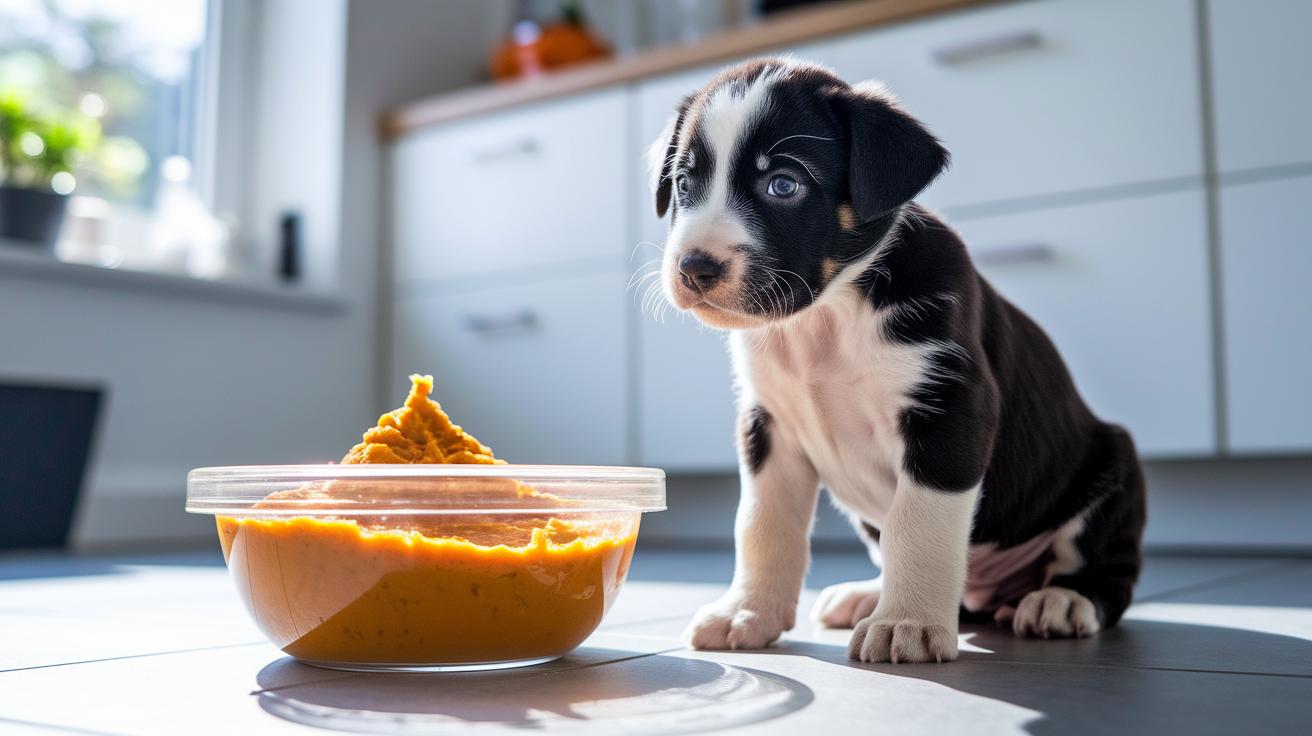
Sometimes when you start a raw diet, your puppy might feel a bit off. You might notice loose stools or a little reluctance to eat. A quick fix is to mix in some pumpkin puree or a bit of bone broth (a tasty, soothing liquid) to calm their tummy. And if your furry friend seems unusually fussy or if it appears they’re missing important nutrients, chatting with your vet or breeder can help adjust the portions to match what they’re used to. Remember, raw diets don’t always lead to bacteria problems if you prepare them right.
As your puppy grows, their calorie needs change. Keeping an eye on how much food they get helps fuel their wagging energy without extra calories. If you see them slowing down or dealing with recurring tummy troubles, it might be time to tweak their meal plan a bit. A small diet adjustment, along with some expert advice, makes the transition from puppy meals to adult raw diets a lot smoother, keeping your little companion healthy every step of the way.
Final Words
In the action of feeding your little buddy, we've covered balanced meals, nutritional needs, and safe transitions to raw diets. We talked through meal planning, proper food handling, and expert troubleshooting tips to keep your pup thriving. This raw pet food for puppies beginners guide shows simple steps to help you mix, monitor, and adjust meals that suit your pup’s needs. Enjoy watching your puppy grow healthy and happy with a diet that feels as nurturing as a warm hug.
FAQ
Q: What is the best raw food to start a puppy on?
A: The best raw food to start a puppy on is a balanced mix of muscle meat, organ meat, and veggies. This careful blend helps ease puppies into solid meals while supporting healthy growth and a shiny coat.
Q: How do I start a raw diet for puppies?
A: Starting a raw diet for puppies means replacing one meal at a time with small raw portions. Gradually increase the raw ratio over several days while monitoring stool consistency to ensure a smooth transition.
Q: What age can I feed my puppy raw food?
A: The age to feed puppies raw food can begin as early as four weeks, provided they are weaned off breeder milk. Always consult your breeder or vet before switching to a raw diet completely.
Q: How do I calculate the right amount of raw food for my puppy?
A: A raw feeding puppy calculator determines portion sizes by using your puppy’s weight and age. It helps you plan balanced meals, ensuring your pup gets enough energy without overfeeding or underfeeding.
Q: Are there balanced raw diet recipes for puppies?
A: Balanced raw diet recipes for puppies include a mix of meat, offal, and vegetables. These recipes provide essential nutrients for growth and digestion while keeping your puppy’s energy levels and coat health in check.
Q: What does scientific research say about raw food diets for puppies?
A: Scientific research on raw food diets for puppies shows that when prepared with proper nutrients, these diets can improve digestion, support energy levels, and promote a healthy coat, contributing to overall well-being.
Q: Do vets recommend raw food for puppies?
A: Vet recommendations on raw food for puppies vary. Some support it if meals are well balanced and handled safely, while others caution against potential bacterial risks. Checking with your vet helps make the best choice.
Q: What are the risks of feeding raw food to dogs?
A: The risks of feeding raw food include possible bacterial contamination and nutritional imbalance if not handled or prepared safely. Proper storage, sanitation, and gradual transitions can help minimize these safety concerns.