

Ever noticed how a little reward can shift your dog’s behavior? Positive training that's safe and gentle turns every moment into a chance for connection and calm.
When you step into your dog’s world and offer kind praise exactly when they do something you love, trust naturally blossoms. It feels like sharing one of those heartwarming moments that make life with your furry friend so special.
Today, we're going to show you how these simple methods create a stress-free and secure learning space at home. Imagine a calm scene where your dog feels loved and understood, and every small act of kindness leads to big training wins.
Core Principles of Safe Positive Dog Training
Safe positive dog training rests on four easy pillars that keep the process kind and effective. First, step into your dog's shoes and see things from their side. Dogs act naturally, and what we see as "good" is really just behavior that fits our expectations. For instance, when your dog locks eyes with you, offer a quick reward. This instant nod builds trust, and fun fact: dogs rewarded immediately tend to learn much faster.
Next, notice and meet your dog's individual needs. Every pup is different and has its own way of showing excitement for rewards. When your furry friend sits, stands, or responds to a cue, mark that moment with a treat or kind words within a second. This immediate praise helps your pup understand what you love to see and makes them eager to repeat it.
Then comes the magic of reward-based positive reinforcement. It doesn't matter if it's a delicious kibble or a gentle compliment; timely rewards help lower your dog’s stress and create a supportive learning space. Many trainers have seen how these treats calm a dog's nerves and pave the way for enjoyable, stress-free training.
Lastly, ditch fear and any hint of physical punishment or intimidation. By choosing discipline methods that avoid force, you create a safe environment where both you and your dog feel secure and cared for. Keeping things fun and loving strengthens the bond you share and sets the stage for a lifetime of happy learning together.
Understanding Positive Reinforcement in Dog Training
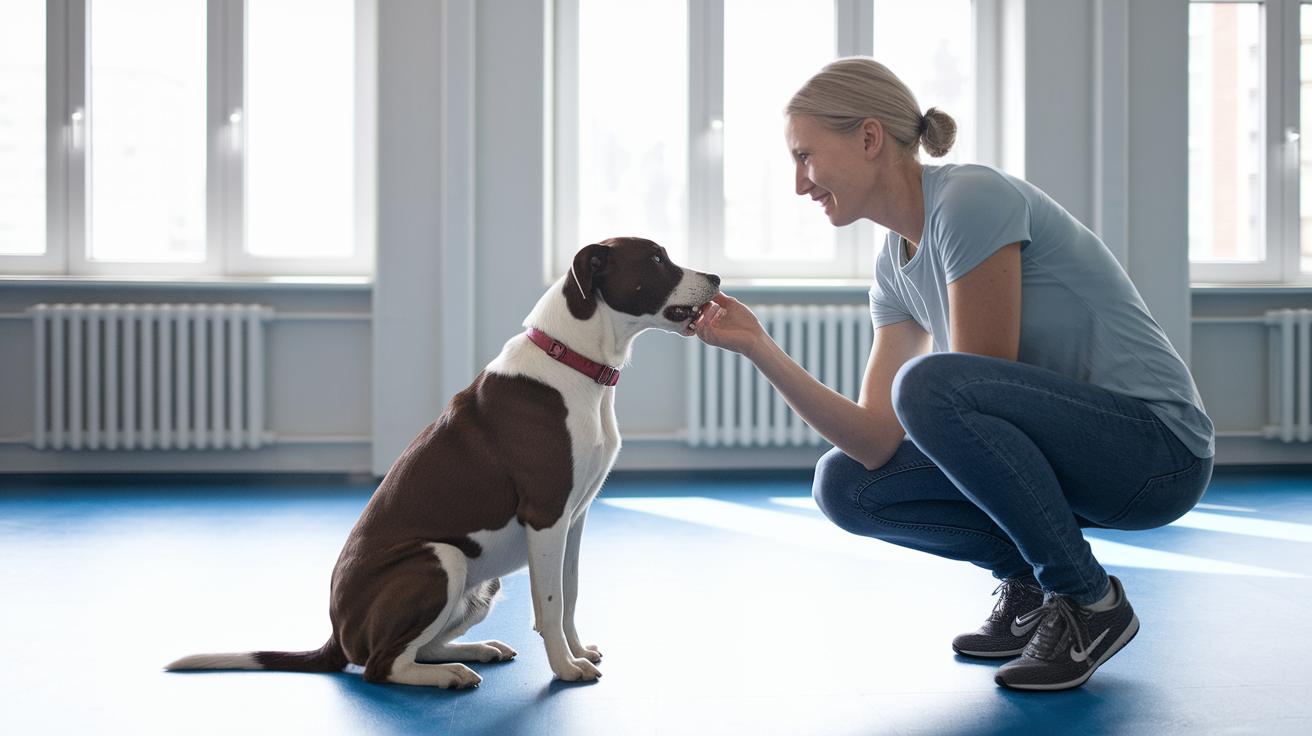
Positive reinforcement means you give your dog a little reward, like a treat, a kind word, or their favorite toy, right after they do something you want. It’s like saying, "Great job!" and it builds a strong trust between you and your furry friend.
For example, if you ask your dog to sit and they do it, quickly say "good" and offer a treat. That immediate response, usually within 0.5 to 2 seconds, helps your pup connect the behavior with a positive outcome. I’ve noticed that when you stick to this routine, your dog learns commands quicker and feels more relaxed during training.
Studies show that using these clear, consistent rewards not only speeds up learning but also reduces signs of stress. One time, I saw a calm greeting turn into a special moment of trust, all thanks to a timely pat or treat. It really reminds you that training can be a bonding experience.
By mixing gentle corrections with plenty of encouragement in your daily routines, you create a kind and natural way to teach your dog. Next time you see your pup getting it right, celebrate that moment, it makes training rewarding for both of you.
Choosing and Scheduling Rewards for Positive Dog Training
Picking the right rewards is a big part of making dog training fun and effective. When your pup nails a command, a quick treat, ideally within about 1 second, helps them link the behavior with something awesome. For example, if you’re teaching a new trick, a yummy treat like a piece of cooked chicken or a jerky treat (a treat that feels extra special) can really boost their motivation. And for simpler cues, a bit of kibble works just fine to keep calories in check.
Mixing up the treats is key for keeping your dog excited and healthy. Alternating between treats, like a small piece of cheese or a dollop of peanut butter, can help prevent extra weight gain. It’s also smart to adjust their daily meal portions when you use extra rewards. A steady reward schedule makes every session predictable, your dog learns that a clear signal means a reward is coming, which makes them more likely to repeat the behavior. Over time, you can gradually raise the challenge by offering even better treats. This way, training stays engaging as your dog learns to reach for bigger goals while having a great time.
| Treat Type | Best Use | Pros | Cons |
|---|---|---|---|
| Kibble | Repetition drills | Low calorie, quick | Low motivation |
| Jerky treats | New or difficult cues | High motivation | Higher calorie |
| Cheese | Stationary commands | Palatable, small pieces | Fat content |
| Chicken | Off-leash training | Very high value | Must refrigerate |
| Peanut butter | Engagement games | Sticky enrichment | Messy |
Incorporating Clicker Methods into Safe Dog Training

Clicker training uses a tiny, clear sound to mark the moment your dog does something right. Start by pairing that click with a treat about 20 to 30 times so your furry friend learns that the click means a reward is coming. It’s like telling your dog, "Great job!" in a language it instantly understands.
Here’s a simple way to shape your dog’s behavior:
- Watch for your dog doing the trick.
- Click the moment it happens.
- Give a treat right away.
- Keep doing this until your dog begins to expect the click.
This method helps your dog learn faster because it shortens the time between the behavior and the reward. Clear, quick cues make training smoother and the communication between you and your pet feel natural and fun. Soon enough, the click turns into a signal of success, and your dog will eagerly look forward to it, knowing it means tasty treats and lots of praise.
Setting Up Secure, Low-Stress Training Sessions
When you plan a training session for your dog, it's best to pick a quiet space where distractions are few and your pup feels safe. Look for a spot with a secure, non-slip floor, maybe a calm room or a fenced yard, so your furry friend can focus without too much hustle around. A quiet environment helps your dog relax and get into the learning groove. And don't forget to have fresh water handy along with a cozy area for breaks.
Keep training sessions short, around 5 to 10 minutes, so your dog doesn’t get tired or overwhelmed. Break the session into simple parts with little breaks, letting your pup slowly absorb the new ideas. Speak in a soft, gentle tone, move slowly, and keep things relaxed. Watch out for signs like yawning or lip licking and be ready to adjust the training if your dog seems a bit stressed.
Wrap up each session with a bit of fun, like tossing a favorite toy or a short playtime. This way, your dog learns to associate training with a happy ending and looks forward to the next session.
Solving Common Behavior Issues with Non-Punitive Dog Training

When your dog jumps up to greet you, try teaching a friendly "sit to greet" cue instead. Reward your pup for a calm, four-paw greeting. This gentle approach helps stop the jumping and deepens the bond between you.
If your dog pulls on the leash, use engagement-based leash training. When your pup walks beside you with a loose leash, give an immediate reward. Little, consistent treats show them that staying close and relaxed is way more fun than pulling away.
For a dog that barks too much, capture those quiet moments. As soon as your furry friend stops barking, mark the quiet with a click or a kind word, and then offer a treat. Gradually stretch out the quiet time. Soon, your dog will learn that calm moments come with a tasty reward.
If you notice signs of resource guarding, start by trading high-value items for treats in small steps. Work slowly to build trust during each exchange. Every successful trade builds confidence and eases tension between you and your dog.
Dealing with separation anxiety? Begin with short departures and come back quickly, rewarding your dog each time. This method shows your pup that being alone is only temporary and that your return is always a happy, safe moment.
Each of these kind, non-punitive strategies not only fixes behavior issues but also creates a warmer, stronger bond with your furry friend.
Tracking Progress and Refining Safe Positive Training
Keeping a training journal can be a lifesaver when you're helping your dog learn new tricks. It’s as simple as jotting down the date, the behavior you're focusing on, and how many tries it takes to hit a goal. For example, if you're working on teaching your dog to sit for 5 seconds or stay 10 feet away, write down these milestones. This little record lets you see if your training is on track or if you need to mix things up a bit.
Take a moment every week to review your notes. You might spot times when progress slows down or even a small step back. These insights become guides for making your training sessions even better. It’s like piecing together a puzzle where every item tells you a bit more about what works and what might need a tweak.
Here are some friendly tips to keep your record useful:
| Tip | What to Do |
|---|---|
| 1 | Note down every session, both the wins and the tougher moments. |
| 2 | Set clear, simple goals for each behavior. |
| 3 | Gradually increase the challenge, like extending the duration or adding mild distractions. |
| 4 | Switch from giving rewards every time to using them unpredictably to keep your pup guessing and learning. |
By checking on your notes consistently, you can slowly fine-tune your approach. Little changes, like a small extra second of sit time, can build up to big improvements in your dog's skills and confidence. Have you ever noticed how a simple tweak makes your furry friend's eyes light up? It's those moments that remind you every bit of effort counts.
Evidence and Success Stories of Safe Positive Training Techniques for Dogs

A 2018 university study found that dogs taught with reward-based methods picked up new commands 70% faster than those trained using tougher techniques. Imagine giving your dog a treat right after it follows a cue, when Max did that, his tail wagged a little faster and his excitement grew with every reward. This kind of training not only speeds up learning but also builds a lasting bond between you and your furry friend.
Scientists have even measured lower cortisol levels, a sign of less stress, in dogs trained with rewards. This means training sessions can feel like a calm, cozy chat rather than a stressful drill. You know that soft moment when your dog leans in, happy and relaxed? It's a clear sign that reward-based training makes the whole process more enjoyable for both pet and owner.
One touching story involved a rescue dog who was once very scared and tense. With just a few weeks of gentle, positive reinforcement, you could see its panic turn into a display of confidence. Owners have shared how these techniques improved everyday manners and deepened the bond with their pets. It’s a reminder that training through trust and clear communication can make all the difference in creating a stable, loving home for your canine companion.
Frequently Asked Questions About Safe Positive Training Techniques for Dogs
How many treats per session?
Try offering about 5 to 8 little treats during a 5- to 10-minute session. This keeps your dog’s calorie count under control while still acting as a fun reward. For example, hand out a treat after each correct command during a brief training round, and your furry friend stays inspired without getting overfed.
What if my dog isn’t food motivated?
Not every pup lights up for treats, and that’s perfectly okay. If your dog isn’t into the usual snacks, try switching to playtime or a favorite toy. Sometimes a fun game or a challenging puzzle toy paired with a quick play session is the perfect motivator.
How often should I train?
Short, regular sessions work best. One or two quick rounds a day can do wonders to keep your pup engaged. Imagine a brief practice before breakfast and another in the afternoon, it’s a simple way to build good habits without overwhelming your dog.
Can clicker training cause confusion?
When used correctly, a clicker is just a clear marker that good behavior is coming. Click and then offer a treat right away, ideally within one second. Repeat this about 20 to 30 times until your dog learns that the click signals something positive.
When can puppies start?
Puppies can begin training as early as 8 weeks old. Keep the sessions very short and use simple cues like "sit" or "come." Early training lays the foundation for lasting good behavior and strengthens the bond with your little companion.
How do I phase out treats?
Gradually shift from constant treats to rewarding less often. As your dog reliably responds to commands, slowly increase the time between rewards. This helps keep your pup motivated even when treats aren’t given every single time.
Final Words
In the action, this post walked through the core principles of training with care, highlighting positive reinforcement, well-timed rewards, and consistency through methods like clicker training. It offered hands-on advice for setting up low-stress sessions and solving common behavior issues using non-punitive approaches.
Tracking progress and sharing success stories rounds off our tips. Every step empowers you to embrace safe positive training techniques for dogs, nurturing a happier, healthier bond with your pet.
FAQ
What are safe positive training techniques for dogs?
Safe positive training techniques for dogs emphasize rewarding desired behavior immediately with treats or praise, avoiding punishment to build trust and reduce stress. They can be learned through free online videos or at-home guides.
What are some positive reinforcement dog training examples?
Positive reinforcement examples include using a clicker to mark good behavior, then rewarding with a treat or a kind word. This approach builds your dog’s confidence by reinforcing the correct actions instantly.
How do positive reinforcement and correction differ in dog training?
Positive reinforcement focuses on rewarding good behavior to encourage repetition, while correction relies on punishment. Reward-based methods nurture trust and reduce stress, making training a more enjoyable experience.
How does negative reinforcement differ from positive reinforcement in dog training?
Negative reinforcement involves removing an unpleasant stimulus when your dog behaves correctly, which can sometimes create stress. Positive reinforcement adds a reward, leading to a fun, low-stress learning environment that builds trust.
Where can I access positive reinforcement dog training resources near me or in PDF form?
Local training classes and reputable pet websites often offer positive reinforcement resources. You might find downloadable PDFs that outline step-by-step, science-based techniques for safe, reward-driven dog training.
What is the 3-3-3 rule for dog training?
The 3-3-3 rule suggests focusing on three behaviors, keeping sessions to three minutes, and repeating each behavior three times. This approach keeps training short and fun while reinforcing learning effectively.
What is the 7-7-7 rule for dogs?
The 7-7-7 rule involves practicing a behavior for seven seconds per repetition, repeating it seven times, and reassessing progress weekly. This consistent structure helps build lasting skills in your dog.
What are the 5 D’s of dog training?
The 5 D’s of dog training outline key factors—often referring to Duration, Distance, Distraction, Difficulty, and Determination—that guide you in structuring training sessions to suit your dog’s unique learning needs.