
Have you ever thought that mixing different treatments might help your pet recover faster? There are real-life stories showing pets heal better when they get both standard surgery and a few extra therapies.
In five amazing cases, pets regained new energy and comfort by combining these approaches. You can see their journeys leading to smoother mobility and happier days.
Let’s explore these stories together and discover how blending care methods can truly brighten your pet’s recovery.
Real-World Integrative Pet Care Case Studies in Canine Rehabilitation
Aala, Henry, Falcor, and Rocky are shining examples of how mixing regular surgery with extra therapies can truly help our furry friends bounce back. Each pet’s journey shows a caring blend of standard procedures teamed up with helpful complementary treatments to support a full recovery.
Imagine your pet on an underwater treadmill, enjoying gentle exercise that feels like a playful splash. That’s exactly what these case studies illustrate, using targeted exercises, soothing massages, acupuncture (a needle-based treatment that boosts healing), and even chiropractic adjustments. The team pairs surgery with natural therapies like pool swims and specific spinal manipulation to ease pain and support smooth movement.
| Case Name | Condition | Integrative Treatments | Outcome |
|---|---|---|---|
| Aala | Front limb amputation | Lifestyle changes and quick post-surgery care | Better adjustment within 12–24 hours |
| Henry | Cruciate ligament tear, bone cancer, left hind limb amputation | Targeted exercises, underwater treadmill, resistance pool swims, massage, acupuncture | Improved mobility and reduced pain |
| Falcor | Partial front limb amputation due to a birth defect | Pool swims and gentle spinal therapy | Less tension and smoother movement |
| Rocky | Left hind leg amputation | Hydrotherapy, chiropractic care, acupuncture | Better balance and a steadier gait |
These real-life stories show that blending natural treatments with conventional surgery can really lift a pet’s quality of life. Not only do these integrative methods ease pain and boost mobility, but they also help pets enjoy daily activities with more energy. It’s heartwarming to see quick recoveries and improved activity levels.
Plus, community support like that from the Tripawds Foundation, which assists with rehab sessions for three-legged dogs, proves that thoughtful, tailored care can make a world of difference. Have you ever noticed how a little extra support can brighten a pet’s day? This mix of treatments is all about making life better for our cherished companions.
Diagnostic and Treatment Modalities in Integrative Pet Care Case Studies
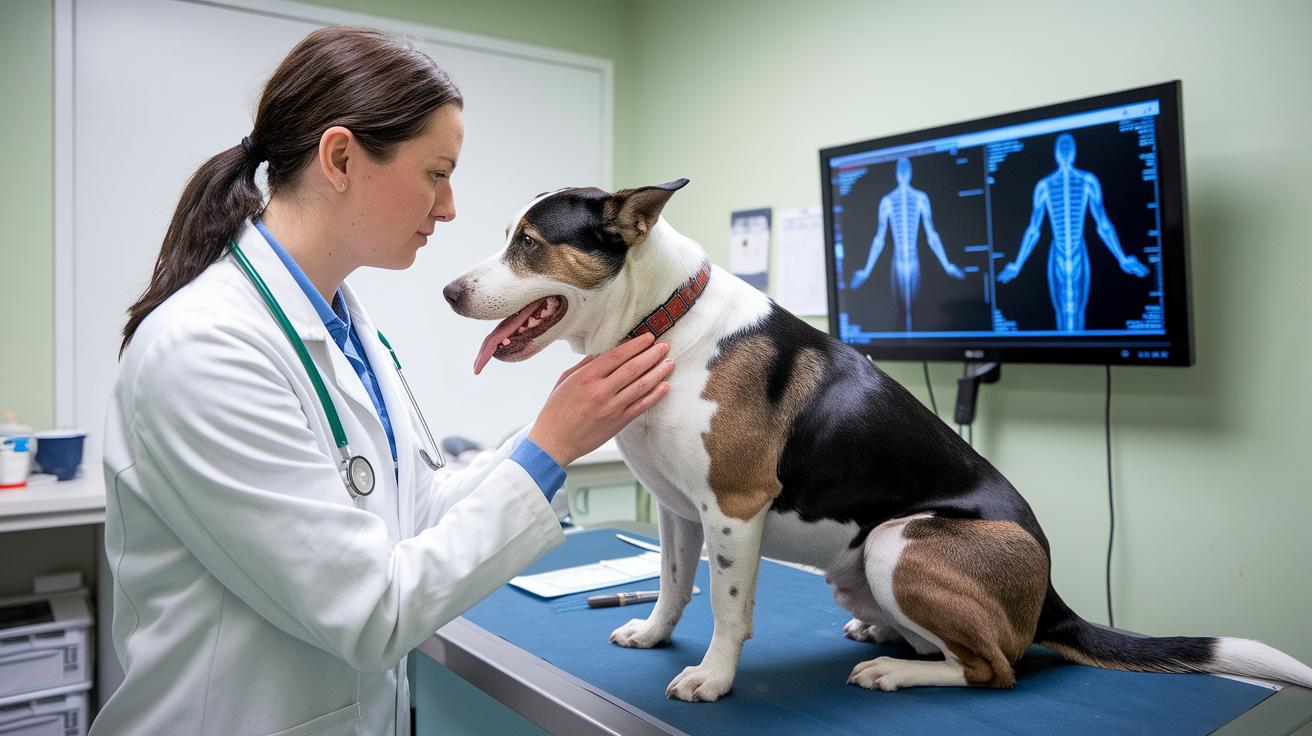
Integrative pet care case studies often use smart, up-to-date diagnostic tools to check on your pet’s well-being. They might start with a careful orthopedic exam, take a look at x-rays or even use ultrasound scans, and assess your pet’s gait, watching how they move can tell us a lot. They even use meridian mapping for acupuncture (a way to find the best spots for natural healing) to see where your pet might need extra support. This lets the vet create a plan that mixes tried-and-true clinical tests with more natural methods.
To help your pet heal and build strength, these case studies bring together several complementary treatments. The blend of natural and clinical therapies can really boost recovery and ease pain and inflammation. Imagine how much better your pet might feel after surgery or while dealing with chronic issues. Many pet parents have seen wonderful improvements in their pet’s movement and mood when these treatments work together. The main techniques used include:
- acupuncture
- chiropractic care
- laser therapy
- herbal medicine
- nutritional therapy
- massage therapy
- hydrotherapy
With these methods, a vet can address both visible issues like joint pain and stiffness while also giving your pet a boost in circulation and overall energy. Each pet gets a personalized plan based on clear, careful diagnostics, which means more comfort and better long-term health. In truth, combining modern diagnosis with age-old remedies opens a hopeful path for pets needing comprehensive care.
Clinical Outcomes from Integrative Pet Care Case Studies
We’ve seen pets moving better and feeling more comfortable just a few weeks into integrative care. Data collected at 4, 8, and 12 weeks shows clear improvements in how they move and feel overall. Even small changes in the early days add up to big steps in their recovery.
One case really stood out. A pet’s walk got noticeably smoother, gait symmetry improved by 30 to 60 percent, and joint flexion angles increased by 20 to 35 percent within just a few weeks. Owners shared that their pets experienced real pain relief, with pain ratings falling from 8 out of 10 to about 2 or 3 out of 10 over 6 to 8 weeks. They also noticed that their furry friends became 50 to 70 percent more active, rejoining daily routines and those playful moments that brighten every day. This balanced mix of conventional and extra therapies isn’t just promising, it shows real, measurable changes that help pets feel happier and more lively.
Overall, steady gains in movement, pain relief, and quality of life strongly suggest that integrative pet care really works. These clear numbers not only boost confidence but also map out the best next steps to help our pets regain their energy and joy.
Expert Commentary on Integrative Pet Care Case Study Analysis
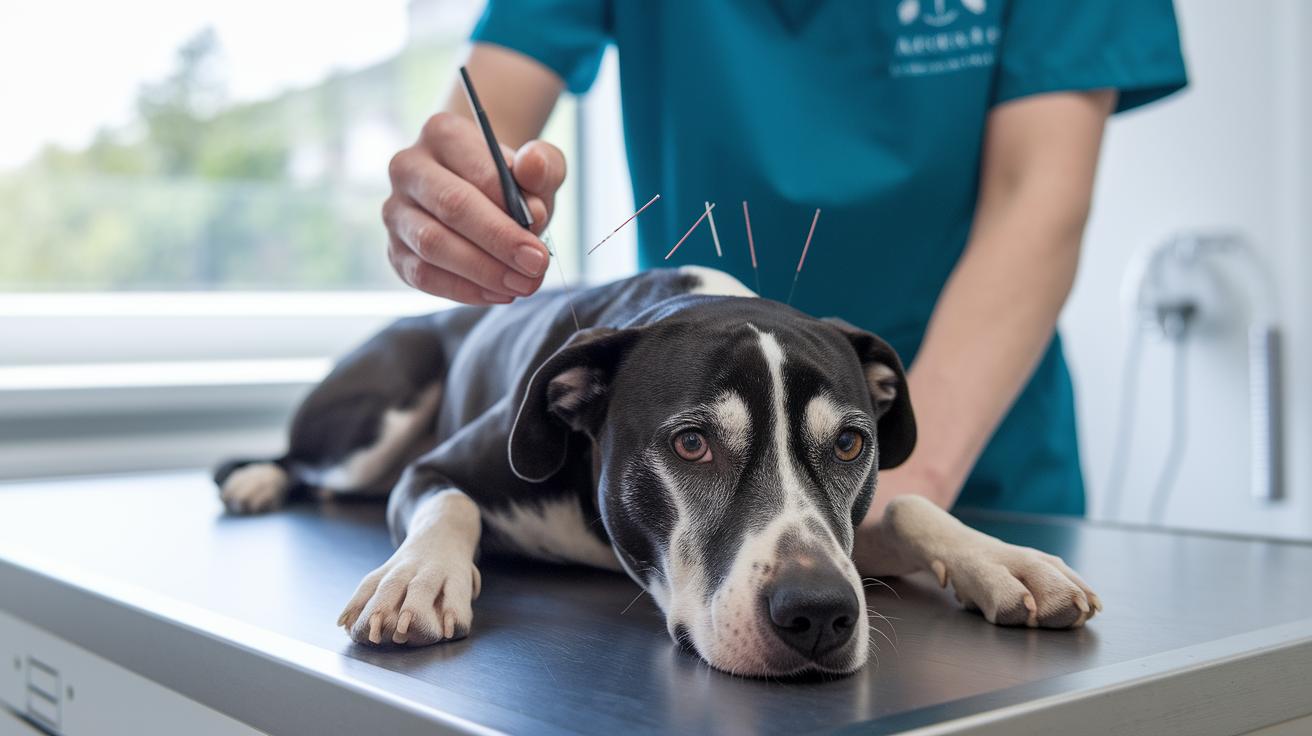
Experience shows us that integrative pet care works best when treatment experts are board-certified in methods like acupuncture and chiropractic. These caring pros mix western medicine with natural treatments, think gentle needle work or a relaxing massage, to help pets heal in a well-rounded way. For example, combining surgery or medications with these natural therapies not only helps our furry friends get better faster but also cuts down on risks when everyone sticks to high training standards.
Keeping an eye on a pet's progress is a big part of these studies. Checking how pets recover and tweaking care plans along the way reminds us that healing is always changing. Vets often team up closely, making sure every step, from the initial tests to treatment tweaks, is clearly shared with pet parents. This open chat builds trust and keeps treatments safe and sound.
Working together in integrative pet care can bring both ups and downs. Experts need to balance regular clinical work with fresh, natural ideas, all while guiding owners on what to expect. In the end, long-term wellness shines through when a team combines solid skills with genuine, caring support.
Applying Lessons from Integrative Pet Care Case Studies to Practice
Integrative pet care stories show how blending regular vet checkups with natural treatments can help your furry friend bounce back. It's awesome to see a pet improve thanks to a mix of surgery and gentle therapies. First up, choosing a board-certified integrative vet (a specialist in both modern and natural care) is key since they get your pet’s unique needs and will craft a plan that cares for overall well-being.
After that, work together to build a care plan that lays out what tests to run, what goals you're aiming for, and which treatments to use. Picture scheduling therapies like acupuncture, chiropractic care, and even hydrotherapy, the refreshing splash of water can really spark progress. Regular check-ins with things like gait checks, pain scores, and even your own observations help keep the plan flexible and on track.
In the end, watching your pet’s progress closely and tweaking the plan based on clear signs of improvement makes all the difference. Stay connected with your vet so that each small win guides the next step. And consider community support too, grants from places like the Tripawds Foundation can make the journey smoother and help your pet enjoy long-term health.
Final Words
In the action, the article brought real pet recovery stories from integrative pet care case studies to life. We saw how a balanced mix of conventional surgery and natural therapies brought hope and health to our furry friends.
The case studies show improvements in mobility, pain relief, and overall quality of life. This hands-on look inspires pet care decisions based on expert advice and personalized treatment plans. Embrace these insights and feel positive about the future of your pet’s well-being.
FAQ
What is an integrative pet care case studies pdf?
The integrative pet care case studies pdf shows real-life examples where pets combine surgery with natural therapies. It presents clear evidence of how these methods work together for improved pet recovery.
What does Veterinary Integrative mean in pet health care?
Veterinary Integrative refers to blending standard veterinary medicine with natural treatments. It focuses on comprehensive care that supports pets through a mix of medical and alternative healing methods.
What is the role of the College of Integrative Veterinary Therapies?
The College of Integrative Veterinary Therapies prepares practitioners with skills in both traditional medicine and natural treatment methods. This training helps vets offer balanced care for pets with various health needs.
How does Functional Veterinary Medicine differ from traditional approaches?
Functional Veterinary Medicine addresses root pet health issues by combining modern diagnostics with natural therapies. This method supports long-lasting recovery by focusing on overall pet wellness rather than just symptoms.
What defines Holistic Veterinary schools in pet care education?
Holistic Veterinary schools train veterinarians in both classic medical techniques and natural therapies. Their programs help vets deliver full-spectrum care that meets pets’ physical and emotional needs.