

Ever wondered if shelter care could be both kinder and greener? Eco-friendly choices might seem a bit costly at first, but they really pay off for pets and shelter managers alike.
In a busy shelter, neatly organizing bedding, feeding supplies, waste tools, toys, and grooming items can save money and create a healthier space for everyone. Choosing renewable, sustainable options not only makes pet care run smoother, it also keeps our furry friends comfy while giving a little back to the planet.
Key Categories of Eco Pet Products for Shelter Environments
When your shelter is bustling with new arrivals, having set product groups makes a big difference. Grouping items like bedding, feeding supplies, and waste management helps you keep things organized, track what gets used, and easily switch to greener options. It also makes life simpler for shelter managers who plan purchases while keeping the environment safe and comfy for the animals.
| Product Category | Eco Material | Key Benefit |
|---|---|---|
| Bedding | Organic cotton, hemp | Easy to wash, renewable and gentle on pets |
| Feeding Supplies | Stainless steel, slow-feeder designs | Built to last and encourage healthy eating habits |
| Waste Management | Plant-based poop bags, biodegradable litters | Cuts down on plastic waste for safer, eco-friendly disposal |
| Toys & Enrichment | Hemp, upcycled fabrics | Durable and sustainable options for fun playtime |
| Grooming Supplies | Natural shampoos, odor eliminator concentrates | Cleans up well with fewer harmful additives |
Using these organized groups not only reduces your shelter’s environmental footprint but also saves money in the long run. Switching to renewable bedding and sturdy feeding supplies cuts down on replacement costs. Eco-friendly waste management products last longer with sustainable materials, and well-made toys and grooming items keep on giving. Shelters can check out a one-stop resource like eco friendly pet supplies for green essentials that benefit both the planet and your budget, making every part of the shelter a little brighter for our furry friends.
Key Categories of Eco Pet Products for Shelter Environments
In busy shelter environments, having clear sections for eco-friendly supplies makes work easier for everyone. Recent studies show that smart ordering methods can reduce ordering time by about 15 percent. One shelter even switched to a digital tracking system, imagine tapping your phone to check inventory and knowing exactly when to restock.
| Product Category | Eco Material | Key Benefit |
|---|---|---|
| Bedding | Organic cotton, hemp | Lower waste, longer-lasting |
| Feeding Supplies | Stainless steel, slow-feeder bowls | Durable, minimizes repurchase frequency |
| Waste Management | Plant-based poop bags, biodegradable litters | Reduces plastic use, simplifies cleanup |
| Toys & Enrichment | Hemp, upcycled fabrics | Lasts longer, reduces constant restocking |
| Grooming Supplies | Natural shampoos, odor eliminator concentrate | Low-additive cleaning, cost-efficient |
Busy shelters that often see a quick turnover are finding real joy in updated ordering systems and better logistics. One case study even showed that careful forecasting of eco supplies trimmed costs by 10 percent and cut waste by nearly 20 percent. Regular check-ins and aligning orders with what’s truly needed have also smoothed out supply chain bumps. This thoughtful method not only tackles typical shelter challenges but also promotes a greener, more cost-effective footprint.
Guide to Buying Sustainable Accessories for Shelter Pets

When you're shopping for eco-friendly pet gear for shelter pets, using clear guidelines can make your life easier. This way, shelter managers pick items built to last while also helping the planet.
Savvy pet lovers look at products like hemp collars, reclaimed wood feeding stands, and jute litter mats. They check that these items keep pets comfortable and support a greener setup. For more handy tips on how to choose and source these items, check out pet shopping 101: researching pet products before purchase (link).
- Material: Choose items made from organic or recycled materials that help cut down on waste.
- Durability: Pick products built to handle heavy use so you don't have to replace them often.
- Packaging: Look for gear with little or recyclable packaging to lower unnecessary waste.
- Pricing Model: Think about cost per use rather than just the upfront price; buying in bulk can save money over time.
- Ethical Sourcing: Make sure the suppliers are open about where their materials come from and use responsible, fair practices.
Balancing your budget with sustainability means every piece of gear gives lasting value and reduces environmental impact. Not only does this approach cut waste and lower replacement costs, but it also creates a strong system that meets the everyday demands of shelter life. In the end, you're making a positive difference for both the animals and our world.
Eco-Friendly Nutrition Solutions for Shelter Animals
When we choose regular pet food, it often comes from typical ingredients that leave a big environmental footprint. Did you know that making pet food puts about 64 million tons of CO₂ into the air every year? This extra strain on our natural resources might seem hidden, but in shelters, it means that feeding our furry friends could add unexpected pressure on the planet. Moreover, using high-impact ingredients and over-processing not only stresses the Earth but might also miss out on giving these animals the complete nutrition (a balanced mix of essential vitamins and proteins) they need to thrive.
Switching over to greener feeding choices really does make a difference. Many shelters are now embracing a farm-to-bowl approach, where certified organic kibbles and dehydrated raw blends come straight from local farms. This simple change cuts down on emissions from long transport routes and brings fresher meals to our pets. Plus, adding plant-based protein gives a tasty treat free from artificial additives. And when shelters use low-waste feeding bowls designed for long-term use with minimal packaging, they help reduce waste even more. These sustainable steps support the health of our shelter animals while also easing the stress on our environment.
Biodegradable Waste and Cleaning Solutions for Shelters
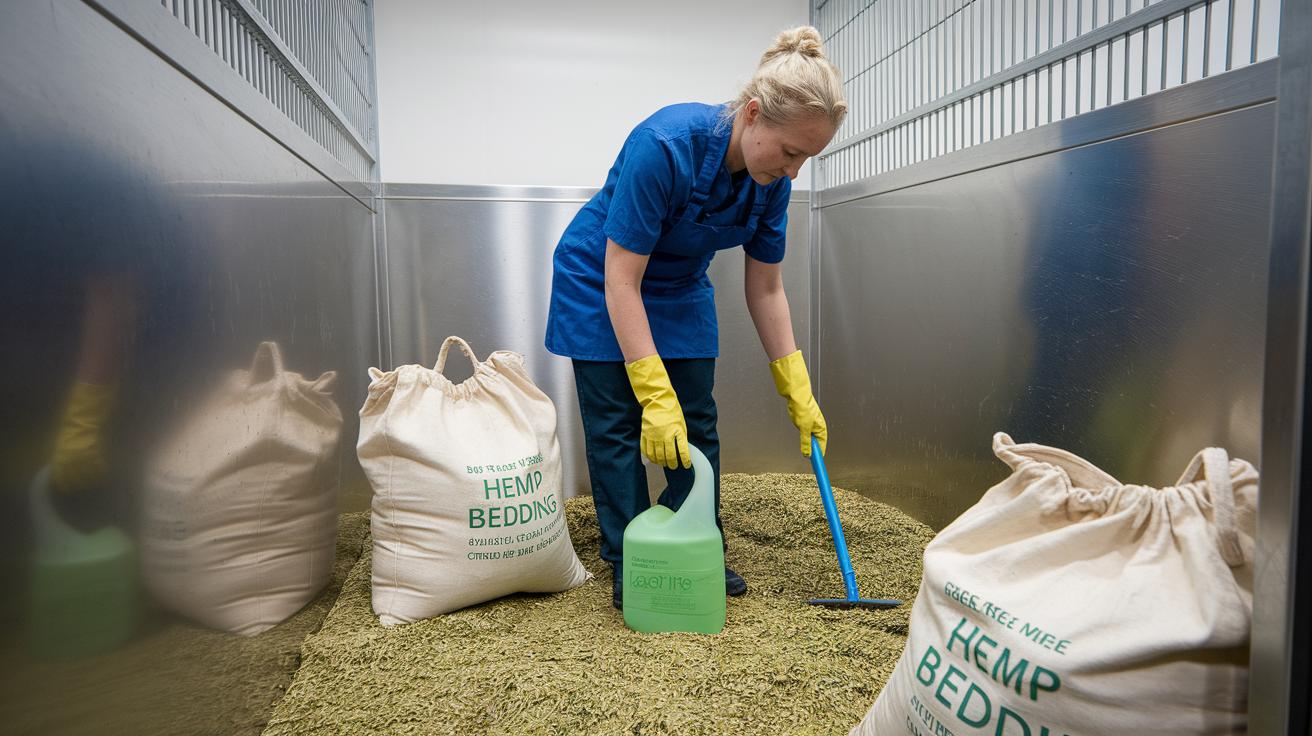
Cutting down on harsh chemicals in shelters is a smart way to keep a healthier space for rescued pets. Switching to natural, eco-friendly cleaning supplies means fewer chemicals in the air and on surfaces, making the environment safer for both animals and staff. You know, when you use enzyme stain removers (they break down messes naturally) and plant-based cleaning agents, you can enjoy a super clean shelter while also helping the planet.
Here are some great options:
- Biodegradable bags: These bags, made from maize flour or bamboo, break down naturally. They help reduce the long-lasting plastic waste everywhere.
- Natural litters: Choose litters that decompose over time. This little switch cuts down on landfill buildup and keeps harmful residues at bay.
- Enzyme cleaners: They work by naturally breaking down organic material. Plus, non-toxic options (safe for pets) mean you’re keeping your pet’s environment as chemical-free as possible.
- Reusable paper options: Think recycled paper towels and washable cloth alternatives. They lower waste and save money since you won’t need to purchase replacements all the time.
- Sturdy scooping tools: These tools are built to withstand use over and over again. They help you keep waste areas neat without needing constant replacements.
Switching to these eco-friendly waste and cleaning methods can really lower costs over time. Not only do they save money with durable, renewable materials, but they also reduce overall waste and chemical exposure, making the shelter a better home for our beloved pets.
Natural Bedding and Energy-Efficient Housing for Shelters
Shelters often face tough problems with bedding. High animal turnover means bedding needs frequent washing, which wears out materials and costs more money. Poor-quality bedding can even hold onto germs and allergens, making our furry friends less comfortable and healthy. In busy shelters, a lack of durable, easy-to-clean bedding can add extra work for staff and put a strain on budgets.
Switching to eco-friendly bedding is a smart move. Hemp blankets and organic cotton options stand up well to many washes while keeping pets cozy and comfortable. Reused cushion inserts from textile recycling programs offer a soft spot to rest and help reduce waste. Raised wooden platforms boost airflow around the bedding, so shelters can save on extra heating and cut energy costs. Plus, compostable bedding made from cedar chips or wood pellets breaks down naturally, keeping the space fresh and reducing landfill waste. Energy-saving heated pads with low-wattage thermostats are another clever choice, they keep animals warm without hiking up the bills.
Green Training and Enrichment Tools for Rescue Pets

When shelter pets get plenty of playful fun, their busy minds stay sharp and happy. Fun toys ease stress and boost energy, all while helping pets feel loved and engaged.
Hemp-Based Chew Toys
These chew toys are built tough with hemp fibers that last long even with constant use. They’re naturally sustainable, so you won’t have to replace them often, which cuts down on waste.
Refillable Treat Dispensers (Rolly Cannoli)
These smart treat dispensers are made to be refilled. They let pets interact and play while helping shelter teams cut back on single-use waste. Everyone wins, pets get a fun snack game and shelters save money.
Upcycled Cardboard Scratchers (zBoard)
Crafted from recycled cardboard, these scratchers let pets scratch and play in a way that feels natural. By reusing materials, they lower waste and offer an eco-friendly option for everyday fun.
Jute Enrichment Mats
Made with natural jute fibers, these mats have a secure, woven design that supports scent play. They provide a sturdy, comforting area for pets to explore, combining durability with the joy of natural textures.
DIY Recycled Fabric Rope Toys
Using repurposed textiles, these rope toys are easy and fun to make. Volunteers can quickly craft these budget-friendly toys, adding a creative touch to daily shelter activities while promoting a greener way to play.
Sourcing Ethical and Certified Green Products for Shelters
When shopping for supplies, check for certification labels like USDA Organic for foods, FSC for wood products, and OEKO-TEX for fabrics (these labels mean the items were made while caring for our planet and people). These marks tell you that the materials meet strict environmental and ethical standards. If you ever wonder about a product's claim, ask the seller for proof or take a peek at their records to see if everything is clear. Picture a pet bed with a clear certification tag, it's a simple way to be sure it is both safe for your furry friend and kind to the environment.
Working with local partners can also help you buy ethically. You might team up with fair-trade suppliers right in your community or join forces with nearby shelters to buy in bulk. You could even organize donation drives for nearly new items, which not only give products a longer life but also boost sustainable choices for animal shelters. These efforts cut costs and build a community of trusted suppliers, ensuring that every purchase is good for our pets and our planet.
Implementing Sustainable Practices in Shelter Operations

Start by drafting a clear green policy. This simple plan helps you create an eco-friendly shelter without rocking your daily routine. Look for ways to swap in eco products as current supplies wear out. That way, you can make a smooth, gradual change. Have you ever set up clear recycling guidelines at work?
One smart idea is to run DIY cleaning and toy-making workshops. These sessions let volunteers use their creativity to build eco-friendly items from everyday materials. It’s a fun way to strengthen community bonds and give new life to old supplies. Another good step is to set up recycling stations for packaging waste. Placing bins in busy spots not only cuts down on landfill waste but also shows everyone your commitment to green practices. And don’t forget about partnerships. Team up with local groups to get near-new foster supplies or share resources. This benefit goes for the animals and the community alike.
Finally, track how well your plan is working. Keep an eye on measures like waste diversion rates, energy savings, and cost cuts. This data shows your progress and helps guide your next steps. Every small effort adds up to a big, positive impact on the environment.
Final Words
In the action, this guide broke down essential eco-friendly items that keep pets comfortable and joyful. We covered organic bedding, renewable feeding supplies, natural cleaning solutions, and engaging toys for both mental and physical enrichment. Tips on smart purchasing and ethical sourcing helped explain how each item reduces environmental impact and lightens operational costs. Every thoughtful eco choice in your shelter creates a brighter environment and a healthier future. Keep moving forward with eco pet products for shelter pets, you’re making a positive change.
FAQ
What do eco pet products for shelter pets reviews say?
The eco pet products reviews highlight durability, safe non-toxic materials, and cost-saving benefits. They note that these items contribute to a greener, healthier shelter environment.
How do wholesale and dropshipping options support eco friendly pet products for shelters?
The wholesale and dropshipping methods let shelters buy in bulk and reduce packaging waste, saving money while providing sustainable solutions that meet high-use demands.
What makes the best eco pet products for shelter pets stand out?
The best eco pet products use renewable, biodegradable materials like organic cotton and bamboo derivatives, offering long-lasting performance while reducing environmental impact in busy shelter settings.
What defines sustainable pet products and sustainable pet brands?
Sustainable pet products and brands use recycled or organic materials, follow ethical practices, reduce environmental waste, and deliver non-toxic designs that support both pet health and shelter budgets.
What is The Kind Pet in relation to eco pet products?
The Kind Pet is a trusted brand that provides eco friendly products designed for pet health and shelter environments, combining natural materials with durability to meet the needs of rescue settings.