

Have you ever noticed how some pets pick up new tricks quickly while others need a little extra time? This guide walks you through a simple plan using yummy treats, kind praise, and fun playtime to brighten your pet’s day. When you reward them right away for doing something good, they start to understand that their effort brings a sweet surprise. Stick with us, and you’ll see how a steady routine builds trust and creates joyful learning moments for both of you.
Positive Pet Training Blueprint: A Stepwise Overview
Positive reinforcement training is all about showering your pet with treats, praise, petting, or toys right when they do something good. When you reward your pet within one second, it helps them see the clear link between a good deed and a fun treat. For instance, if your dog sits when asked, give a small biscuit immediately. I once saw a pup light up the moment a biscuit found its way into his mouth, a little reward that brought on a happy, wagging tail. This quick response makes it obvious that good behavior leads to a cheerful surprise.
A step-by-step method works well for teaching both simple commands and more tricky behaviors. Start small with commands like sit, stay, or come. As your furry friend gets comfortable, you can slowly move on to challenges like fun agility tasks. Clicker training can be really helpful here. The clicker acts like a clear marker for a job well done. Imagine using it on a busy day when your dog still manages to obey, a little click goes a long way in showing them that even in a noisy place, their efforts matter.
It’s important that everyone in the family uses the same words, rewards, and signals. That way, your pet hears a consistent message: only the good behavior gets celebrated. When everyone is on the same page, your pet quickly learns what’s expected while leaving behind any unwanted habits. This fun, reward-based routine helps both you and your pet learn together, building trust and boosting joy along the way.
Preparing Your Space and Tools for Stepwise Positive Pet Training
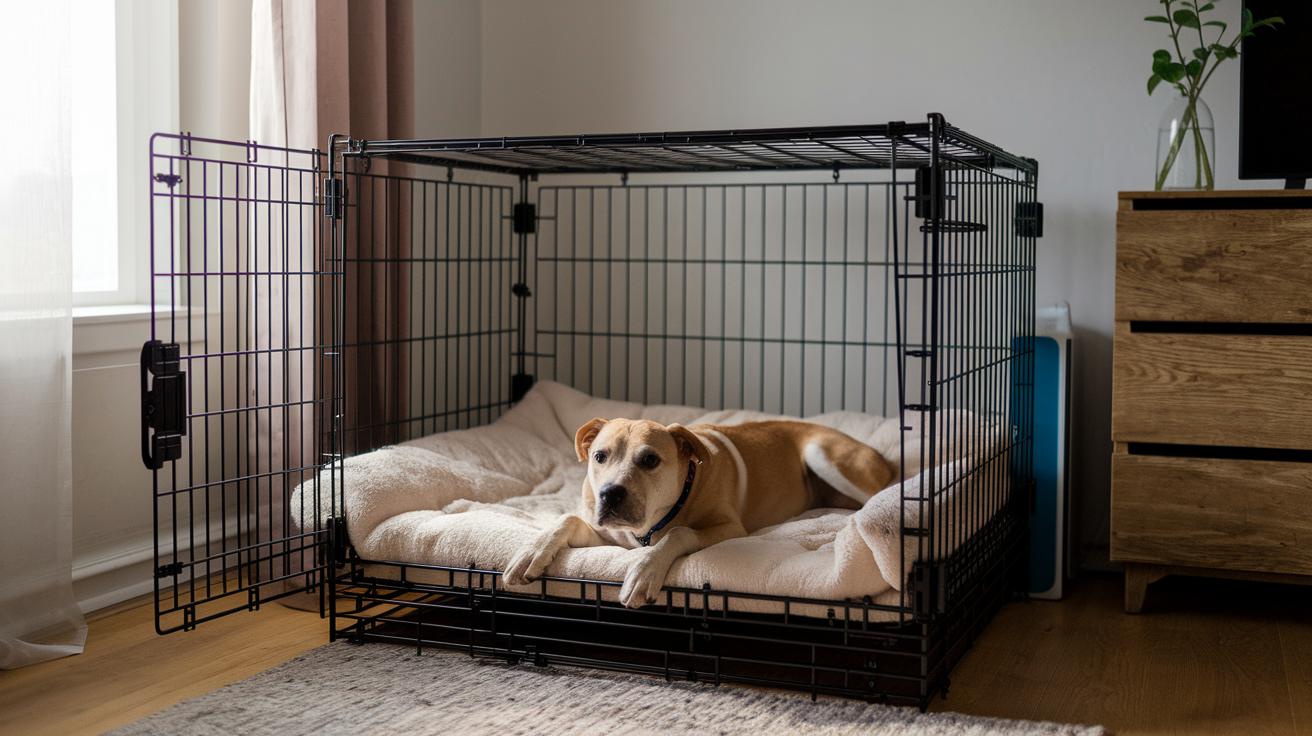
Start by crafting a peaceful spot where your pet feels safe and focused. Pick a quiet room with minimal distractions, and consider how a cozy crate, with soft bedding and familiar scents, can offer a snug retreat for your furry friend. This little haven helps your pet relax and learn without stress. If you're looking for extra help with house-training, you might want to check out dog potty training supplies at this link: https://getpetsavvy.com?p=6575.
Before each training session, gather your must-have tools. Keep high-value treats, like tasty dog biscuits, close by so rewards come right away when your pet shows the right behavior. A clicker acts as a clear marker for good actions, making it easy for your pet to understand what you expect. And don’t forget a target toy to keep the training lively and engaging.
Stick to the same setup every time by using the same room, arrangement, and treat sources. This consistency creates a comforting routine for your pet and makes each training moment build on the last. Imagine your training session as a fun step-by-step journey where every signal and reward makes a difference. With everything ready, both you and your pet are set for a session full of clear signals, immediate treats, and a shared sense of achievement.
Core Stepwise Techniques for Dogs and Puppies in Positive Pet Training: Happy Pet Success
When you start training your dog, it helps to break down each command into small, easy steps. This way, your furry friend picks up little bits of information during short, fun sessions. For example, when you work on commands like sit, stay, come, down, leave it, or heel, keep everything simple and playful. Use a clear signal, a clicker to mark the perfect moment, and give a reward within a second. This quick feedback not only boosts your pet's confidence but also deepens your bond.
Basic Canine Commands Breakdown
For every command, try these little steps:
- Cue introduction: Say the command (like "sit") in a warm, friendly tone.
- Lure: Use a treat or a favorite toy to guide your pet into the right position.
- Shape: Gently help your pet get into the correct pose.
- Reward timing: The moment your pet listens, offer a treat or a quick word of praise.
- Fade lure: Slowly ease off on the treat so your pet starts responding just to your word.
Begin training in a quiet spot, like a calm kitchen, then move out to bits of distraction, such as near the front door with visitors passing by. It’s all part of growing trust and focus.
Puppy Socialization and Fundamental Skills
For our little pups, meeting new people and places is just as important as learning commands. Here are a few simple tips to help them feel at ease:
- Meeting strangers: Introduce new faces gently and in a comfy, relaxed spot.
- Car rides: Keep them short at first so your pup begins to see the car as a fun, safe space.
- Surface exposure: Let your puppy explore different textures and floors, so they feel braver with each new step.
- Handling exercises: Frequently touch their paws, ears, and tail to help them get used to being handled.
With steady practice and heaps of positive praise, your furry pal will master each step. Remember how satisfying it is to see that wagging tail when a command is nailed, every treat and encouraging word makes training a moment of real, happy pet success.
Gentle Behavioral Correction and Enrichment for Cats in Positive Pet Training

When your cat uses the scratching post instead of the furniture, give a quick nod of approval with a little treat. Try offering a kibble or soft bite along with a warm "Good kitty!" right at that moment. This quick reward helps your cat link their choice to the happy outcome.
Clicker training can also be a fun way to work with your kitty. A clear click followed by a treat when your cat sits or stays calm during handling adds a playful vibe to the session. It turns training into an enjoyable game for both of you.
Mix in some enrichment activities into your day to channel your cat's energy in a positive way. Offer interactive toys and puzzle feeders for a bit of brain-teasing fun. These engaging play sessions can help steer your cat away from scratching or other unwanted behaviors, leaving them content and secure.
Keep to a routine by using the same cues and reward timing every day. This steady approach helps create a calm space where your cat knows what's expected, and little by little, the right habits take shape.
Advanced Stepwise Enrichment and Behavior Shaping in Positive Pet Training
When you’re ready to move on from basic commands, try teaching your pet a few fun tricks like little jumps, rolling over, fetching, or even learning not to rush. You start small, imagine guiding your pet over a tiny hurdle first, then gradually raising it as your pet gets comfortable. Each little step gets rewarded right away with a treat or a click, which helps your pet understand exactly what you want.
Be patient and keep at it. Practice each new trick in a quiet spot where distractions are few. Once your pet can complete one step reliably, move on to the next. Think of it as a playful obstacle course where every small win builds confidence and makes the training session fun.
Mix in some enrichment activities too, like interactive puzzles or homemade obstacle challenges. These not only keep your pet’s mind busy but also strengthen the bond you share. Using rewards like clickers or favorite toys adds variety, keeping things interesting even when tasks get trickier.
Troubleshooting in Stepwise Positive Pet Training

Sometimes, your pet might get distracted by sounds or activity around them. If your furry friend seems unfocused or slow to respond to commands, try keeping training sessions short. Instead of long drills, give it a try with quick 5- to 10-minute sessions.
It's important to be consistent. When everyone at home uses the same words and rewards, your pet understands what to do, just like agreeing on simple rules in a game. Focus on one command at a time so your pet can really pay attention.
At times, a pet might show unwanted behavior because of too much noise or extra activity around. Reducing these distractions can help your pet stay on track. If your pet makes a mistake, simply ignore it instead of punishing. A brief redirection or a short break keeps the mood light and stress-free.
Make sure your pet has truly mastered one behavior before introducing a new challenge. For example, ensure your pet sits reliably in a quiet room, then slowly add distractions. Using gentle methods like redirection and a pause in rewards helps create a caring, positive learning space.
If challenges arise, tackle them one step at a time. Say your dog barks a lot at the door, start by working on calming signals before moving on to more complex commands. This patient, step-by-step approach can ease frustration and lead to lasting success.
Consistency and Progress Tracking in Stepwise Positive Pet Training
Keeping each training session steady is key. Everyone in your home should use the same word cues, treats, and schedule so your pet always feels secure and knows what to expect. Instead of one long session, try a few short bursts throughout the day. Imagine spending just 5 to 10 minutes on a command in the morning, then following with another quick session later. These little moments give your pet time to absorb new tricks without getting overwhelmed.
It also helps to keep a simple log to see your pet’s progress. Picture a small table where you tick off each command your pet masters, whether in the kitchen, living room, or even a quiet spot in the yard. This record shows you how far your pet has come and when it's a good time to add a new challenge.
Socializing is a big part of steady training too. Keep introducing your pet to new people, surfaces, and sounds; it makes learning fun and lively. Sometimes, a quick refresher session can even boost their memory and trust in you. A familiar setting paired with a constant approach builds a strong, loving bond, turning every training moment into a happy win.
Final Words
In the action, the blog takes you through creating a supportive training space, using clicker signals, and rewarding desired behaviors right away. Each section shows clear techniques for both dogs and cats, plus ways to troubleshoot and track progress. This step-by-step positive pet training guide helps you work consistently across different training levels, from basic cues to advanced enrichment tasks. Enjoy the process and watch your pet thrive, building a stronger bond with every positive step you take.
FAQ
Q: Step by step positive pet training guide pdf / free
A: The step-by-step positive pet training guide, available in PDF or free format, explains reward-based training clearly and simply. It offers concise micro-steps and practical tips to help you build effective training sessions with your pet.
Q: What is the 7 7 7 rule for dogs?
A: The 7 7 7 rule for dogs means to focus on short, 7-second training bursts, deliver the reward within 7 seconds, and repeat the exercise about 7 times a day. This quick rhythm reinforces desirable behaviors.
Q: What are the 5 D’s of dog training?
A: The 5 D’s of dog training cover essential components like distance (gradually increasing from the owner), distraction (training in various settings), duration (short sessions), difficulty (stepwise challenges), and diversity (a range of scenarios) to build well-rounded skills.
Q: What is the 10 10 10 rule for puppy training?
A: The 10 10 10 rule for puppy training means using quick, 10-minute sessions, repeating each command about 10 times, and practicing in 10 different environments. This approach builds reliability and confidence gradually.
Q: What are the three C’s of dog training?
A: The three C’s of dog training are consistency, clarity, and connection. These principles help you deliver clear cues, maintain steady routines, and build a strong bond with your pet during training.