
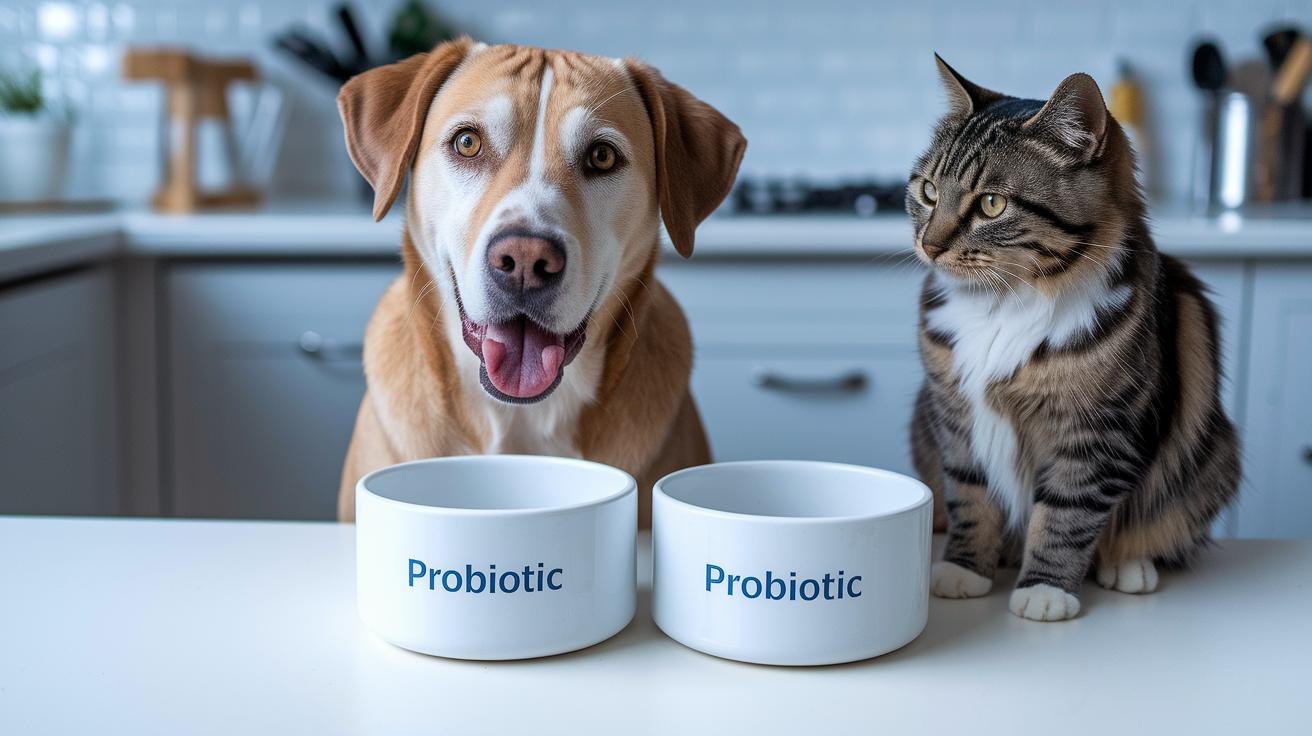
Ever wonder if a few small changes in your pet’s diet could ease those nagging belly aches? A healthy tummy often brings out a brighter sparkle in their eyes and a playful spring in their step. Think of an upset stomach like a creaky engine that just needs the right kind of fuel to run smoothly. By tweaking their meals and adding some gentle, natural ingredients (simple, everyday additions), you might find your furry friend feeling a lot more comfortable each day. Even tiny shifts in what they eat could be the key to a calmer, healthier life for your pet.
Achieve Optimal Gut Health with Integrative Holistic Pet Care
Imagine your pet feeling his best because every meal works wonders for his tummy. A balanced gut is at the heart of your furry friend's overall health. Sometimes, a small change in food and supplements can ease issues like constant itching or an upset belly. Here’s an interesting fact: Some pets finally found relief when an elimination diet uncovered hidden food sensitivities. By spotting the troublesome ingredients, you help create a calmer, more digestible environment.
Food tweaks aren’t the whole story, though. Adding a bit of bone broth can really brighten your pet's day. Bone broth is packed with nutrients from animal bones, herbs, and even vegetables. It supports the immune system and gently reinforces the gut lining, much like warming up an engine to run smoother. When your pet’s gut is happy, you might notice a brighter eye or a playful bounce in the step.
- Remove: Begin with an elimination diet to figure out which foods aren’t doing any favors.
- Repair: Soothe the gut lining with natural helpers like slippery elm and marshmallow root (these ingredients are known to ease irritation gently).
- Restore: Add spore-based probiotics along with prebiotics to nurture a balanced gut flora (see Probiotics and Digestive Health for more details).
- Replenish: Boost overall digestive function, especially if long-term medications have taken their toll.
Putting these steps together creates a caring, holistic plan. The Remove step shines a light on the foods causing trouble, while Repair and Restore work together to calm inflammation and balance the gut. Finally, Replenish ensures each meal helps your pet absorb nutrients and build strength. Isn’t it heartwarming to know that small, thoughtful adjustments can lead to a happier, healthier companion?
Natural Dietary Adjustments to Support Pet Gut Microbiome Balance
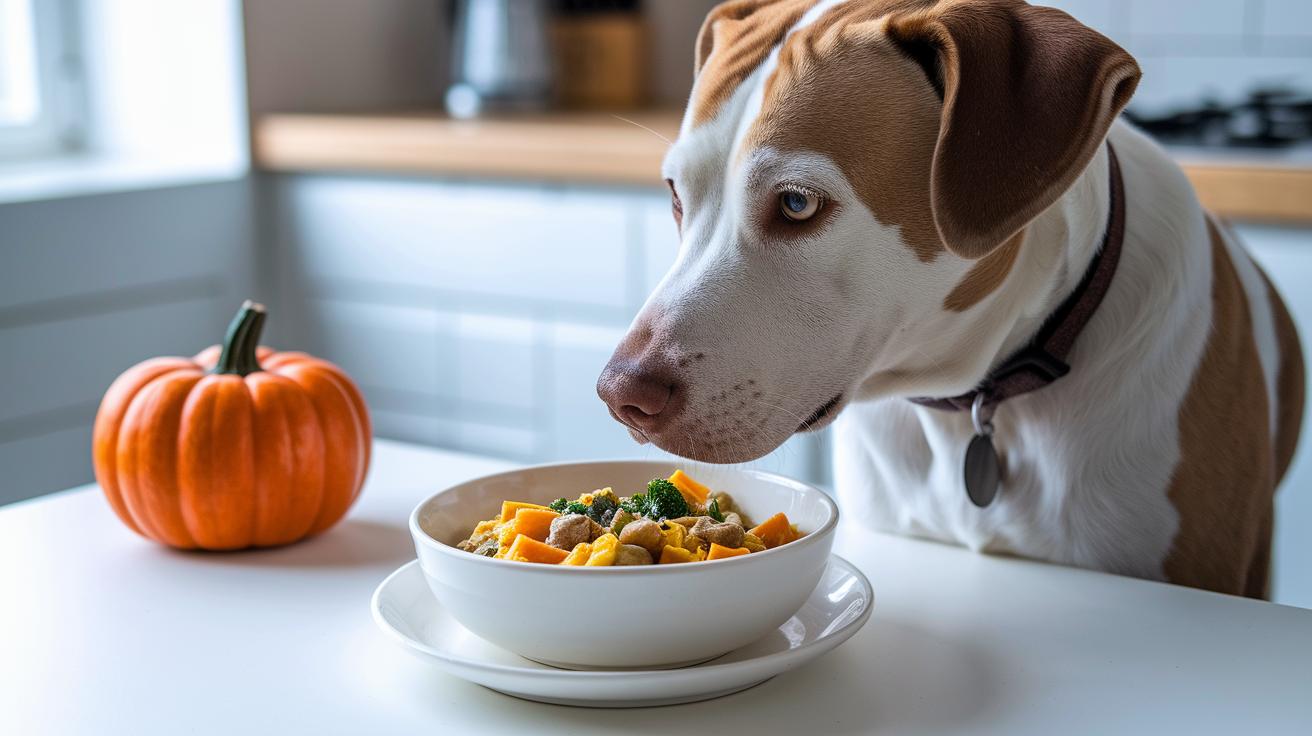
Start with a simple elimination diet. Try a food sensitivity test to see which ingredients might be upsetting your pet’s tummy. For example, pick one protein like turkey or rabbit along with one vegetable for 7 to 10 days. This little trial gives you clear hints on how each food affects your pet. You can also check out some extra tips in Preventive Tips for Pets with Sensitive Stomachs if you need more guidance.
- Pumpkin (1-2 tbsp per meal)
- Carrots (1/4 cup)
- Blueberries (1/8 cup)
- Bone broth (1/4 cup daily)
- Slippery elm (1/4-1 tsp)
- Marshmallow root (1/4-1 tsp)
- Plain yogurt or kefir (1 tbsp)
Balanced homemade healing meals can be a fun way to keep your pet’s gut flora happy. Try mixing these gut-healing ingredients into your pet’s recipes so the meals not only nourish but also taste great. Fresh meal plans can work a bit like raw feeding by adding extra enzymes (enzymes are little helpers that break down food for digestion). You might even look into options like Fresh Dog Food for variety and extra nutrients. Making meals at home lets you adjust ingredients based on what your pet really needs, helping with digestion, easing inflammation, and boosting overall energy. Keep experimenting until you find the mix that makes your pet feel comfortable and full of pep.
Integrative Probiotic and Enzyme Supplement Strategies for Pet Gut Health
Spore-based probiotics, like MegaSporeBiotic, give your pet a mix of helpful bacteria that keeps their tummy happy without overdoing one type. These hardy little helpers survive your pet’s stomach acid and make their home in the intestines, which supports smooth digestion. There are also Soft Chew Probiotics that come in yummy chewable form, making it easier for your pet to enjoy their gut boost. Adding prebiotics like inulin (a type of fiber that feeds good bacteria) is a smart move to keep your pet’s digestion strong. Usually, you’ll try these supplements for about 4 to 8 weeks to really see the benefits, and the right dosage depends on your pet’s weight so they get just the right amount.
Digestive enzymes, including helpers like lipase, protease, and amylase, are great for breaking down fats, proteins, and carbs. They work hard to make sure every bite is turned into energy and comfort, helping to ease bloating or tummy troubles. It’s best to go with a mix of enzymes rather than just one because a variety supports an all-around digesting process. Just like with probiotics, trying them out for 4 to 8 weeks lets you find the perfect dose for your pet’s size and needs, ensuring a gentle but effective approach to gut health.
Lifestyle and Stress Management for Pet Digestive Wellness
Exercise Routines for Enhanced Digestion
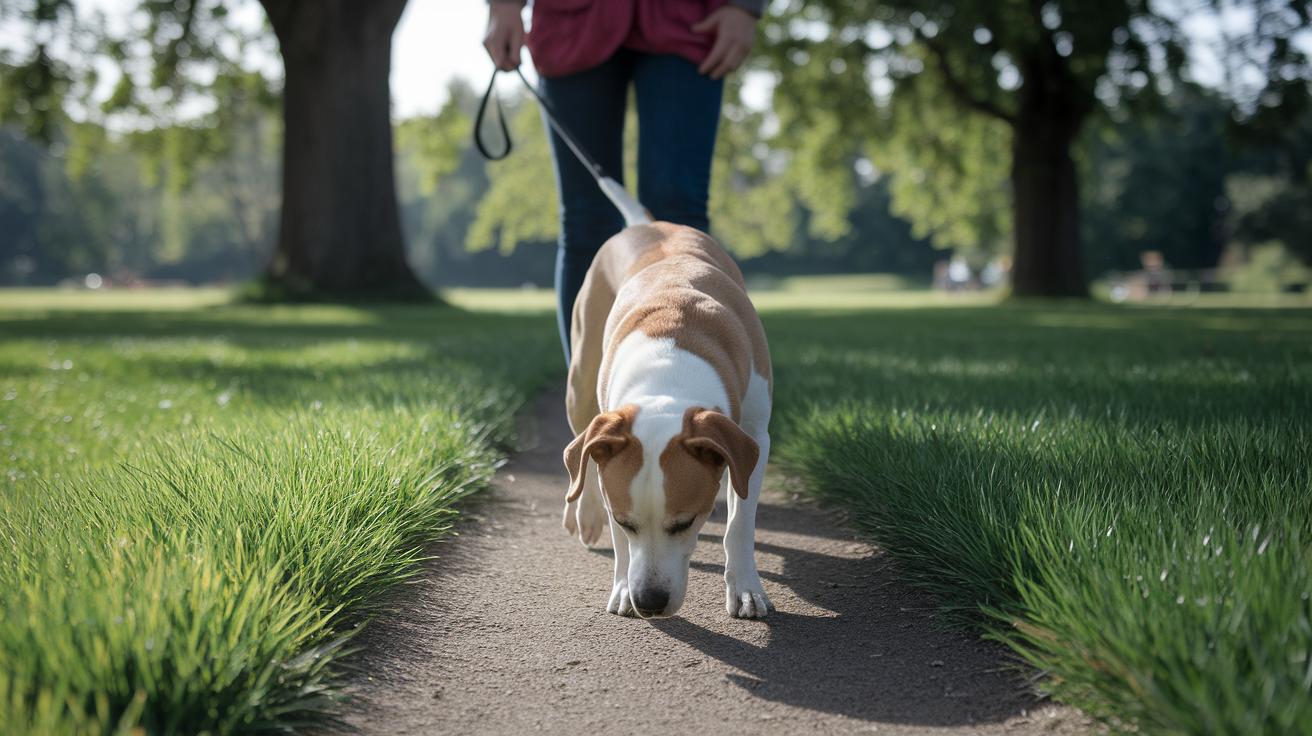
Taking your pet for a daily walk or playing with them for about 20 to 30 minutes can do wonders for their tummy. A fun romp in the park or a lively game of fetch warms up their insides (it helps move food through the gut naturally). When your pet gets enough exercise, they often enjoy smoother digestion and better nutrient use. This simple, natural routine can keep their belly happy without relying on meds.
Environmental Enrichment Strategies
Creating a soothing home for your pet is just as important as exercise. Try out puzzle feeders, scent trails, or even switching out their favorite toys to spark their curiosity. A little extra cuddle time or kind words can lower stress hormones that might otherwise upset their stomach. In just a month or so, many pets seem to feel better both mentally and physically. This fun, stress-free approach strengthens their gut-brain bond and makes everyday life more enjoyable for your furry friend.
Herbal and Natural Remedies to Soothe and Heal Pet Guts
Slippery elm bark powder makes a soft, gel-like substance that gently wraps your pet's tummy lining, easing any irritation in sensitive bellies. You can stir it into wet food or mix it with a splash of broth for a light, all-day shield. Fun fact: pet parents have been using slippery elm for centuries to calm upset stomachs, turning mealtime into a soothing little ritual.
Marshmallow root also offers a natural way to ease discomfort by calming inflammation. Just sprinkle it into your pet’s favorite wet food, and suddenly mealtime feels even more relaxing. Imagine your pet savoring a meal that’s been enhanced by nature’s own gentle care.
Monitoring and Prevention of Pet Gut Health Issues

Keep an eye on your pet’s tummy for any signs that things might not be quite right. Diarrhea, constipation, or a belly that looks puffy can be a nudge that something's off. Also watch for changes in appetite or sudden shifts in weight. A dry, flaky coat, irritated skin, or a bit of extra anxiety might be the pet equivalent of a whisper saying, "Hey, check on me!"
You might notice small improvements in just 2 to 4 weeks with steady tweaks in diet, exercise, and ways to relax. These little changes can help your furry friend start feeling better. Full recovery, though, usually takes a bit longer, around 3 to 6 months, as the gut finds its natural rhythm.
If the issues persist, like constant diarrhea or significant weight loss, it's a sign to reach out for professional help. Keeping a simple diary of symptoms can be super helpful when talking things over with your vet. This extra step can catch serious problems early, helping your pet stay as happy and comfy as ever.
Creating Personalized Holistic Gut Health Plans for Your Pet
Your pet's nutrition is a big part of our natural dietary adjustments and holistic plan. Start by keeping simple food logs and a symptom journal during a 2–6 week elimination phase (that’s when you remove certain foods to see how your pet reacts). For example, notice if their energy or the shine of their coat changes when you drop a particular protein.
Next, slowly reintroduce foods over 1–2 months. This step-by-step process helps you see which foods might be triggering sensitivities. Remember, every pet is unique. Cats often need meals packed with protein, dogs do best with a balanced mix of nutrients, and rabbits love plenty of fiber. Plus, you can choose between raw meals (which can give a natural enzyme boost) or cooked meals (that offer extra safety). And if you ever feel unsure, a veterinarian or nutrition expert is there to help tailor the plan just right for your best friend.
Final Words
In the action, we covered a range of strategies from elimination diets and the 4 R’s to balanced meals and natural supplements. Each section highlighted how small adjustments, from bone broth recipes to probiotic routines, can boost your pet's overall well-being.
The guide also touched on stress management techniques, herbal remedies, and tracking progress. All these components work together to offer holistic pet gut health tips that foster long-term vitality and a happier pet life.
FAQ
What do holistic pet gut health tips on Reddit suggest?
The holistic pet gut health tips on Reddit suggest natural dietary adjustments, probiotic use, and lifestyle modifications to help achieve a balanced digestive system for pets.
What do holistic pet gut health tips reviews indicate?
The holistic pet gut health tips reviews indicate that combining elimination diets, probiotics, and stress management strategies can bolster a pet’s digestive wellness and overall vitality.
What do holistic pet gut health tips for dogs recommend?
The holistic pet gut health tips for dogs recommend using an elimination diet, adding gut-healing foods, and trying spore-based probiotics to aid in smoother digestion and improved energy.
What do holistic pet gut health tips for cats emphasize?
The holistic pet gut health tips for cats emphasize a high-protein, balanced diet and gentle herbal remedies to soothe the digestive system, ultimately helping your feline feel more comfortable.
What symptoms show poor gut health in dogs?
The symptoms showing poor gut health in dogs include diarrhea, constipation, bloating, appetite shifts, and weight changes—signs that indicate it’s time for a dietary and lifestyle review.
How can you treat poor gut health in dogs?
You can treat poor gut health in dogs by combining a balanced elimination diet with gut-healing foods, spore-based probiotics, and digestive enzymes, all while following veterinary advice for safer recovery.
What foods help improve dog gut health?
Foods that help improve dog gut health include pumpkin, carrots, blueberries, and bone broth, which all provide fiber and essential nutrients to promote a well-balanced digestive system.
What is considered the best food for dog gut health?
The best food for dog gut health is one that’s rich in whole, natural ingredients and balanced nutrients, often featuring fresh meals prepared with care and guided by an elimination diet.
How does one improve dog gut health naturally?
Improving dog gut health naturally involves incorporating gut-friendly foods into meals, using probiotics, promoting exercise and mental enrichment, and reducing stress for overall digestive balance.
What are the 5 R’s of gut healing?
The 5 R’s of gut healing include Remove, Replace, Repair, Restore, and Rebalance; however, many holistic pet health experts focus on a 4 R’s approach for simplicity in guiding natural gut healing.
What do the 3 F’s for gut health focus on?
The 3 F’s for gut health focus on Feed (providing nutritious meals), Ferment (supporting with probiotics), and Fiber (ensuring sufficient digestive support for a balanced microbiome).
What do the 4 R’s of gut healing involve?
The 4 R’s of gut healing involve Remove, Repair, Restore, and Replenish, offering clear steps to address food sensitivities, heal the gut lining, and restore a healthy digestive system for your pet.