
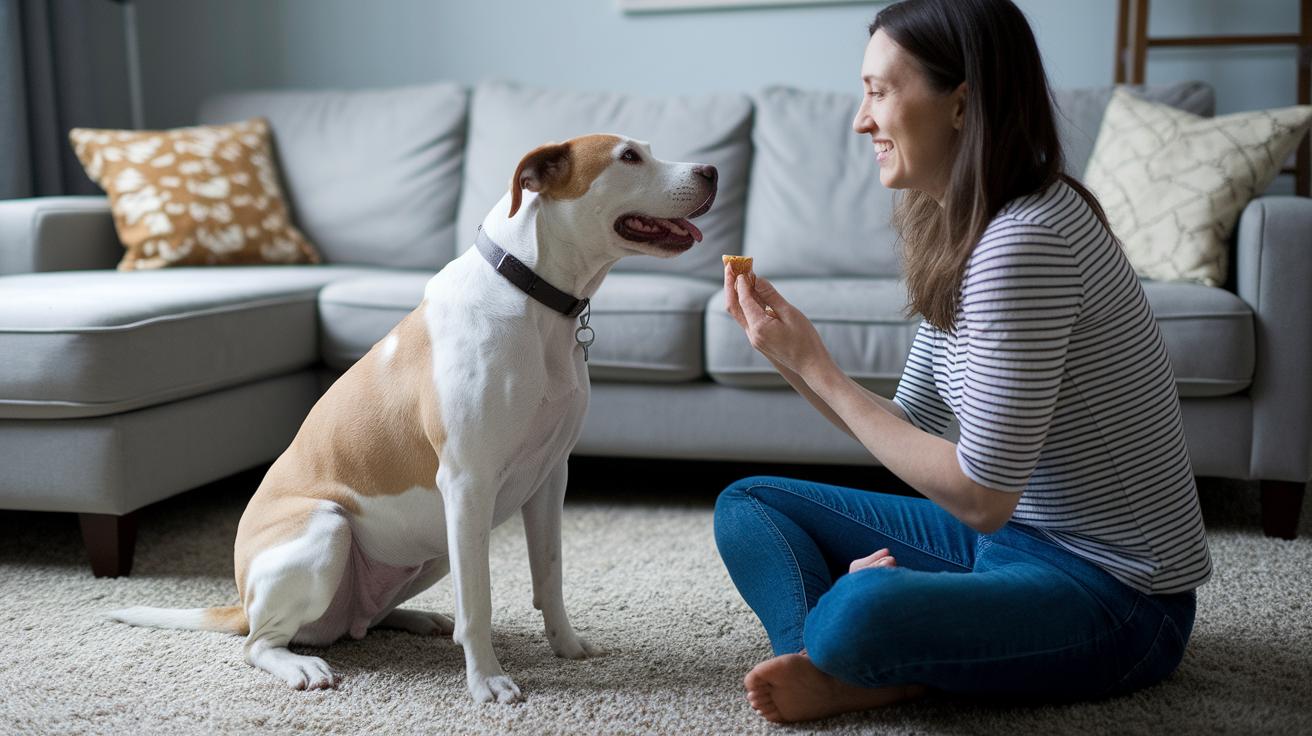
Have you ever noticed how a little treat can light up your pet’s day? Many pet parents think training is a lot of work, but using positive reinforcement makes it fun and easy. Imagine your dog's eyes sparkling like little stars when it earns a tasty snack for doing something good. This simple approach links good actions with joyful moments, helping your furry friend learn and grow. In this post, we'll share how celebrating even the tiniest victories can build trust and fill your time together with real happiness.
Understanding Pet Behavior Through Positive Reinforcement Training
Positive reinforcement training is all about celebrating your pet's good behavior with treats, toys, or playtime. It turns everyday training into a fun bonding moment that both of you can enjoy. Picture a playful pup that sits neatly and gets a yummy treat, each little reward makes that good behavior stick.
This approach works because animals naturally learn by linking actions with positive outcomes. When your pet receives a reward right after doing something right, it builds a strong connection between the behavior and the positive outcome. Think of it like giving a gentle pat on the back that boosts your puppy's trust and confidence. The idea is simple: a reward at the right time makes your pet want to do it again. Ever notice how satisfying it is to see your pet light up during a meal or a play session?
Key benefits of positive reinforcement training include:
- It nurtures a loving bond between you and your pet.
- It encourages more of the good behaviors.
- It creates a fun and relaxed learning atmosphere.
- It helps your pet clearly understand what you expect.
Using rewards consistently helps your pet form positive associations with training. This keeps the experience light and enjoyable while making the process effective and humane for both you and your furry friend.
Operant Conditioning and Pet Learning Theory in Positive Reinforcement
Operant conditioning is a science-backed way to show how our pets learn when their actions lead to clear results. Every behavior comes with a consequence, and there are four main parts that shape what our furry friends learn. They pick up new tricks when they get a reward or have something unpleasant taken away. Imagine your pet's bright eyes when a treat is offered for a simple sit. It feels almost like flipping a light switch, suddenly, everything is lit up with motivation. Have you ever watched your dog perk up after a yummy treat followed a gentle command?
These four parts include not only ways to reward good behavior but also methods to discourage unwanted actions. In a training session, taking away a bit of discomfort can encourage good behavior, while removing a loved bonus helps lower behaviors you’d rather avoid. It’s similar to the relief you feel when a tight collar is eased because your pet has behaved well. The table below breaks down each part, giving you a simple definition and a clear example to imagine how these ideas work in everyday pet training.
| Quadrant | Definition | Example |
|---|---|---|
| Positive Reinforcement | Adding something enjoyable so behavior increases | Giving a treat when a dog sits |
| Negative Reinforcement | Taking away something unpleasant to boost a behavior | Loosening a tight collar when your dog stops pulling |
| Negative Punishment | Removing something the pet likes to reduce a behavior | Taking away playtime when a dog misbehaves |
| Positive Punishment | Adding a brief, mild correction to reduce a behavior | A gentle verbal correction when a pet jumps on furniture |
Reward-Based Training Tools and Techniques for Pets
Every training session feels brighter when you have the right tools at hand. A treat pouch that safely holds your snacks helps you reward your pet in a snap, keeping your hands free to guide them. Imagine giving your dog a quick treat after a command, that little moment of joy makes training fun.
Enrichment toys add another layer of excitement. Whether it’s a puzzle bowl or a favorite KONG toy, these fun tools keep your pet’s mind busy and slow down speedy eaters. Training turns into a mini adventure that your furry friend will always look forward to.
Sometimes, a safe space is just what your pet needs. Crates, X-pens, or baby gates can create a cozy spot for your pet during vet visits or quiet moments at home. They help your pet feel secure and calm even when confined for short periods.
Other handy tools include clickers, whistles, and long lines. These devices clearly mark good behavior right when it happens. Picture your pet’s excited eyes lighting up when a gentle click means a tasty treat is on the way. These techniques build a strong bond through clear, caring communication.
- Treat Pouches: Keep treats nearby for quick rewards without fumbling.
- Enrichment Toys: Puzzle bowls and KONGs keep your pet engaged and add fun to training.
- Crates, X-pens, and Baby Gates: Create a safe, calm space for your pet during downtime.
- Chew Toys: Durable options like Nylabones and Benebones give a safe outlet for chewing.
- Clickers: Provide a fast, clear sound to mark when your pet’s done something right.
- Whistles and Long Lines: Perfect for outdoor fun, they help keep communication clear and focused.
Positive Reinforcement Case Studies: Dog and Cat Behavior Insights
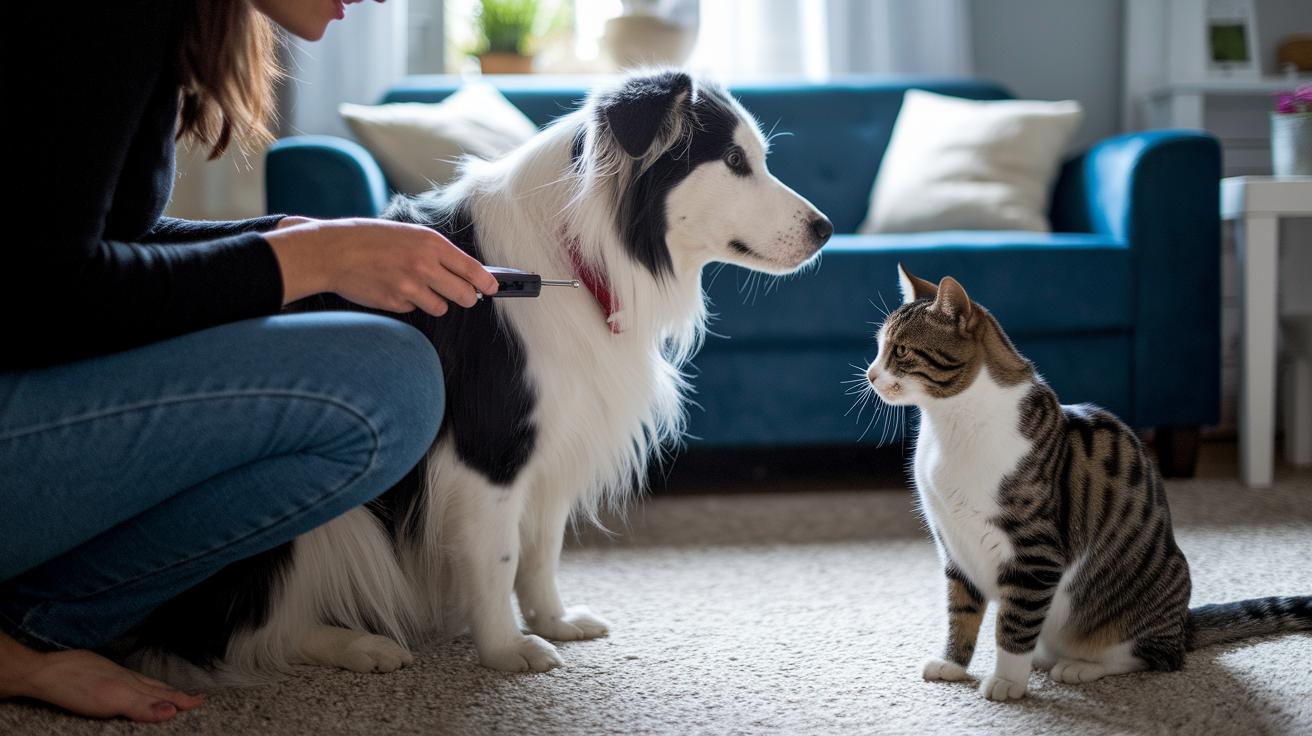
Positive reinforcement makes training feel like a shared adventure. When you toss a treat or hear a friendly click at just the right moment, it turns everyday actions into fun habits. In these stories, we see how rewards help both dogs and cats learn and grow. Each example shows how using gentle cues and quick treats helps pets do more of what you want while building trust between you. It’s like having a little celebration after each good deed, making training sessions fun and educational.
Dog Training Example
Picture a playful puppy learning the ropes of housetraining. Every time the little guy sits on command, he gets a tasty treat and loving praise. Later, during his recall practice, the same reward pattern reminds him that coming when called means more delicious snacks and kind words. This steady routine turns good behavior into something rewarding and fun. Honestly, every successful moment feels like a mini celebration that strengthens your special bond with your pup.
Cat Training Example
Now imagine a curious cat checking out a brand-new scratching post. When the cat starts scratching the post instead of your favorite chair, a click from a clicker marks the spot. Immediately, a treat follows, and soon enough, that click means a reward is coming. Over time, the cat naturally chooses the scratching post thanks to that clear message. This friendly approach not only guides your kitty away from unwanted spots but also builds trust in a caring, relaxed way.
Both examples show how using rewards consistently helps shape great behavior and deepens the connection between you and your pet. Whether you’re working with an energetic puppy or a curious kitten, positive reinforcement creates an upbeat, loving learning space for every pet.
Creating a Consistent Positive Reinforcement Plan for Your Pet
Start by setting clear cues. Pick a simple word or gesture that everyone in your home uses. When you say "sit" and gently move your hand, your pet quickly learns what you mean. This way, everyone stays on the same page and confusion is kept at bay.
Next, think about rewards. After your pet does something good, offer a treat, a kind word, or a bit of play right away. Picture your dog happily getting a treat just after sitting down. This immediate reward helps them see that good behavior leads to something fun, and a steady routine makes it easier to stick to the training.
Keep everything consistent over time. Everyone in the family should use the same cues and reward right away to avoid mixed signals. And if something feels off, chatting with your veterinarian can rule out any issues like anxiety or fear. This steady approach not only strengthens your bond, but also paves the way for a lifetime of positive moments with your furry friend.
Understanding Pet Behavior with Positive Reinforcement: Sparks Joy

Sometimes even when you use kind rewards, your pet might still struggle with issues like anxiety, aggression, or fear. You may see them pause during training or get stressed when things get a little hectic. It can be overwhelming when gentle treats and praise just don't seem to do the trick. When you notice these challenges, remember that reaching out to a professional is a caring move to help get your pet feeling happy again.
When ongoing issues arise, talking with a certified trainer or a vet behavior expert can make all the difference. They can offer tips that fit your pet's unique personality. Early chats with these experts can uncover hidden issues and keep problems from getting worse. This way, your training methods stay safe and supportive, keeping your pet calm and confident.
It also helps to have a professional when you feel like nothing is working. Picture a trainer who can adjust your pet’s cues or a behavior expert spotting small signs of fear you might miss. Their guidance can give you a clear, gentle plan to manage behavior and bring that sparkle back into your training time.
Final Words
In the action, we explored how reward-based training builds trust and shapes your pet’s habits. We touched on positive reinforcement techniques, from operant conditioning basics to practical tools and real-life examples. Each section aimed to give you simple, clear guidance on designing a consistent plan that works for your furry friend.
Remember, understanding pet behavior with positive reinforcement can lead to lasting trust, making every training moment a joyful step forward. Enjoy the journey of growth with your pet!
FAQ
How does positive reinforcement differ from correction in dog training?
Positive reinforcement in dog training means rewarding desired behaviors with treats or praise, while correction focuses on applying an aversive consequence to discourage unwanted actions, shaping behavior through contrasting outcomes.
What is positive reinforcement in dog behavior and can you give an example?
Positive reinforcement in dog behavior means adding a reward when a pet performs a desired action. For example, offering a treat when your dog sits firmly encourages that behavior in future situations.
What are some examples of positive reinforcement dog training?
Examples include giving a treat when your dog sits, using a clicker to mark good behavior, or adding playtime when your pet obeys commands. These rewards help build trust and promote consistency in behavior.
How does negative reinforcement work in dog training?
Negative reinforcement works by removing an unpleasant stimulus when the desired behavior is shown. This approach differs from adding rewards by encouraging behavior change through the relief of discomfort.
Where can I find resources like positive reinforcement dog training PDFs or local classes?
Online directories and local pet academies usually offer resources such as downloadable PDFs and class listings. These guides provide structured, reward-based strategies to help your pet learn effectively.
How does positive reinforcement affect the psychology of dogs?
Positive reinforcement shapes a dog’s psychology by creating happy associations with commands and behaviors, building confidence and trust. Reward-based cues lead to repeated good behavior and lasting learning.
How can I discipline a dog using positive reinforcement techniques?
Discipline with positive reinforcement means emphasizing rewards for good behavior rather than focusing on punishment. This method uses clear cues and timely treats, guiding your dog gently toward improvements.
What insights do positive reinforcement experiments offer in dog training?
Positive reinforcement experiments show that dogs learn faster and form stronger bonds with owners when rewarded for correct behavior, proving that a reward-based approach is both effective and nurturing.
Does Cesar Millan use positive reinforcement in his training methods?
Cesar Millan is known for balancing calm authority with correction rather than relying solely on positive reinforcement. Many modern trainers, however, focus primarily on reward-based methods for building trust.