
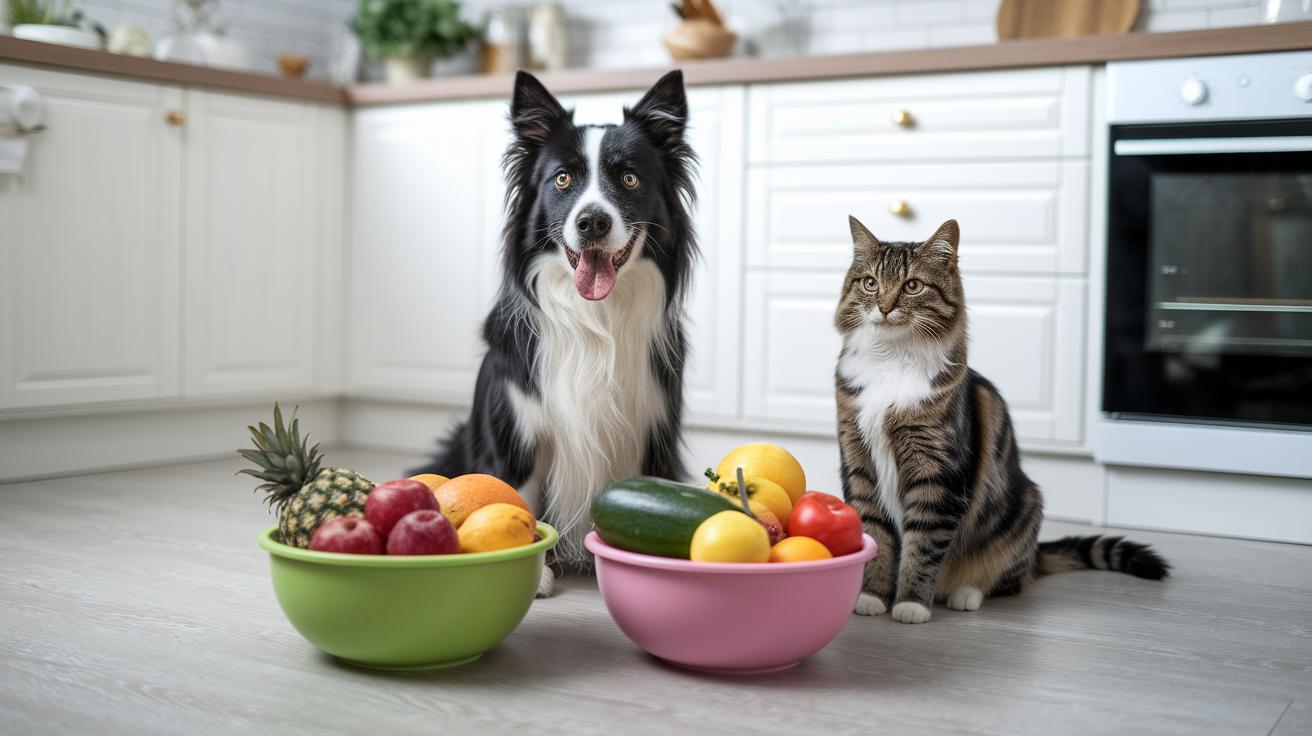
Ever wonder if your pet's food could do more than just fill their bowl? Imagine it as a little boost for their body, mind, and heart, just like tending to a favorite garden.
When you choose fresh, whole ingredients and top-notch proteins (that's a fancy way of saying food that packs a nutritional punch), you're giving your furry friend more pep in their step, a glossier coat, and a happy, healthy glow.
In this chat, I'm sharing a few natural, simple tips that turn everyday meals into a tasty treat that helps nourish your pet from the inside out.
Core Principles of Holistic Pet Nutrition
Holistic pet nutrition is all about caring for your pet’s body, mind, and heart. It’s similar to tending a garden, every part counts to help the whole plant grow strong. A balanced diet gives your furry pal a shiny coat, playful energy, and great overall health. Sharing a nutritious meal can brighten both your day and your pet’s mood.
High-quality protein plays a big role in this kind of care. Foods that list meat, fish, or poultry as the main ingredient pack the protein your pet needs for building strong muscles and staying energetic. Imagine the cozy aroma of freshly cooked chicken in your kitchen, promising energy and strength to your little buddy. These protein-rich foods help support a lively lifestyle and keep every part of your pet’s body in top shape.
Learning to read food labels is a simple but important step. Check the ingredient lists closely to avoid fillers like too many grains or starches that don’t really add value. Always follow your vet’s advice on serving sizes so your pet isn’t overfed or left wanting more. Taking the time to read labels means every bite helps create a full meal that meets your pet’s unique needs. Good portion control today leads to a healthier, happier pet tomorrow.
Selecting Whole-Food Ingredients for Holistic Pet Meals
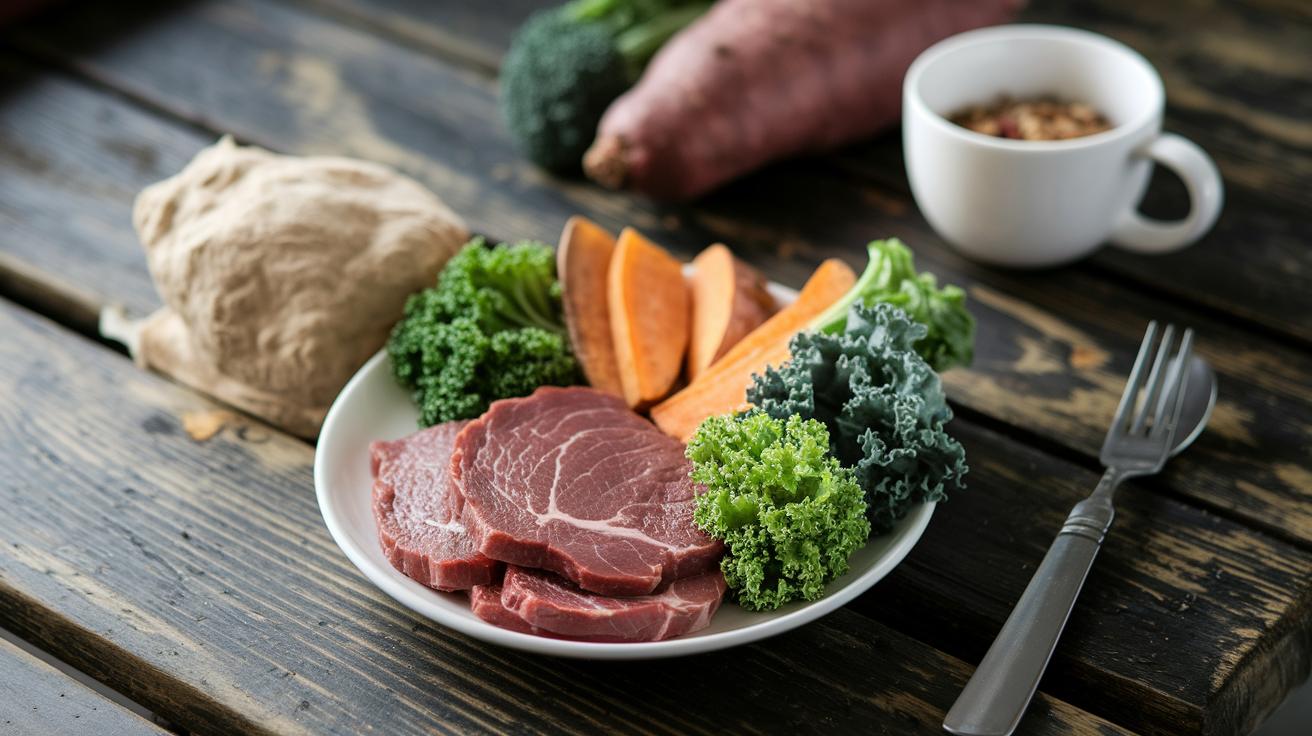
When you choose ingredients for your pet’s meals, try picking fresh raw diets, whether fresh, freeze-dried, or frozen, to keep all the natural goodness intact. This means every little bite is packed with nutrients just like nature intended. For example, proteins such as grass-fed beef or wild-caught salmon come with the bonus of being non-GMO and free from pesticides. It’s like serving a meal prepared by a caring local chef, where each ingredient shines with flavor and purpose.
Plant-based ingredients also bring a lot to the table. Organic fruits and vegetables, like leafy greens and berries, are full of antioxidants (those helpful compounds that fight off bad stuff) which can ease inflammation and boost overall well-being. Superfoods like sweet potato and kale add even more benefits, enhancing immune support while giving your pet’s coat a lovely shine. Picture tossing a handful of kale into your pet’s mix, a splash of color and nutrition that makes each meal lively. Every ingredient you choose builds a strong foundation for a playful, energetic, and happy pet.
Crafting Balanced Meals: Macronutrients and Portion Control
When you set out to prepare your pet’s food, think first about getting the right mix of protein, fats, and fiber. Dogs thrive on about 18 to 25% protein, and cats need about 25 to 30% protein. Protein is like the building block that keeps your pet strong and full of energy. Fats, such as omega-3 and omega-6 (they help keep your pet’s coat shiny and skin calm), should make up about 1 to 2% of the meal. Even a small bit of these healthy fats can bring a big boost to overall health.
Fiber is another key player. Adding vegetables rich in fiber or even a sprinkle of psyllium husk can keep your pet’s digestion running smoothly. Think of fiber as a gentle broom that cleans out the digestive tract, helping keep energy levels steady and supporting overall well-being. When you mix proteins, fats, and fiber just right, you end up with a meal that not only tastes good but also supports your pet in every way.
Keeping track of portion sizes is just as important. Listen to your veterinarian's advice on calorie intake, which takes into account your pet’s age, size, and how active they are. Regular serving sizes help you avoid giving too much or too little food. Check out this handy table for a simple guide on portion sizes:
| Pet Size | Daily Calorie Range | Protein (oz) | Fat (g) |
|---|---|---|---|
| Small Dog (0–20 lbs) | 400–600 kcal | 3–4 | 8–12 |
| Medium Dog (21–50 lbs) | 601–1,200 kcal | 5–8 | 13–20 |
| Large Dog (51–90 lbs) | 1,201–2,000 kcal | 9–12 | 21–30 |
| Cat (all sizes) | 200–300 kcal | 2–3 | 5–8 |
Incorporating Supplements and Botanicals into Holistic Diets

When you're looking to boost your pet’s meals, think about adding supplements that help in many ways. For example, oral probiotics and prebiotic fibers (like psyllium husk powder) work together to aid digestion and support a strong immune system. Picture the gentle rumble in your pet’s tummy as these good bacteria get to work, all carefully measured based on the instructions or your vet’s advice.
Omega-3 fatty acids paired with CoQ-10 can act like little vitamin helpers. They not only give an energy lift but also help keep the heart healthy. Imagine a well-timed routine of supplements that makes your furry friend more energetic while also looking after their heart.
Botanicals such as ginger, turmeric, and moringa offer natural anti-inflammatory and antioxidant perks. These ingredients feel like a soothing touch during tough days, easing the wear and tear from daily activity. Think of stirring a small pinch of turmeric into a meal, it’s like adding a burst of natural goodness that can help calm inflammation.
Just as you might flip through a favorite cookbook to get the spice mix just right, getting advice from your vet on herbal dosages ensures everything works safely. This thoughtful mix of probiotics, vitamins, and botanicals lays a solid foundation for your pet to live a happy, active life.
Adapting Nutrition for Life Stages and Individual Needs
Every pet is unique, and their food should match where they are in life. For young pups and playful kittens, meals packed with extra protein (that’s the building block for strong muscles) and extra calories give them the energy they need to grow. Picture a bowl of food made just for an energetic little buddy, every bite fuels their growth and playful spirit.
Older pets need a different touch. These seasoned friends generally require fewer calories, along with ingredients that support their joints and help ease the signs of aging. Adding joint-friendly nutrients and antioxidant-rich foods (which help keep their cells strong) can make a big difference. A carefully planned meal can help a senior pet stay active and maintain its spark.
Some pets also deal with sensitivities. In these cases, figuring out which ingredients, like grains or dairy, might cause a reaction is key. Swapping in novel proteins or making small seasonal tweaks, like boosting healthy fats in winter for extra warmth or adding more hydration in summer for a refreshing twist, ensures every pet feels nourished and safe at every stage.
Holistic Pet Nutrition Tips: Boost Your Pet's Health
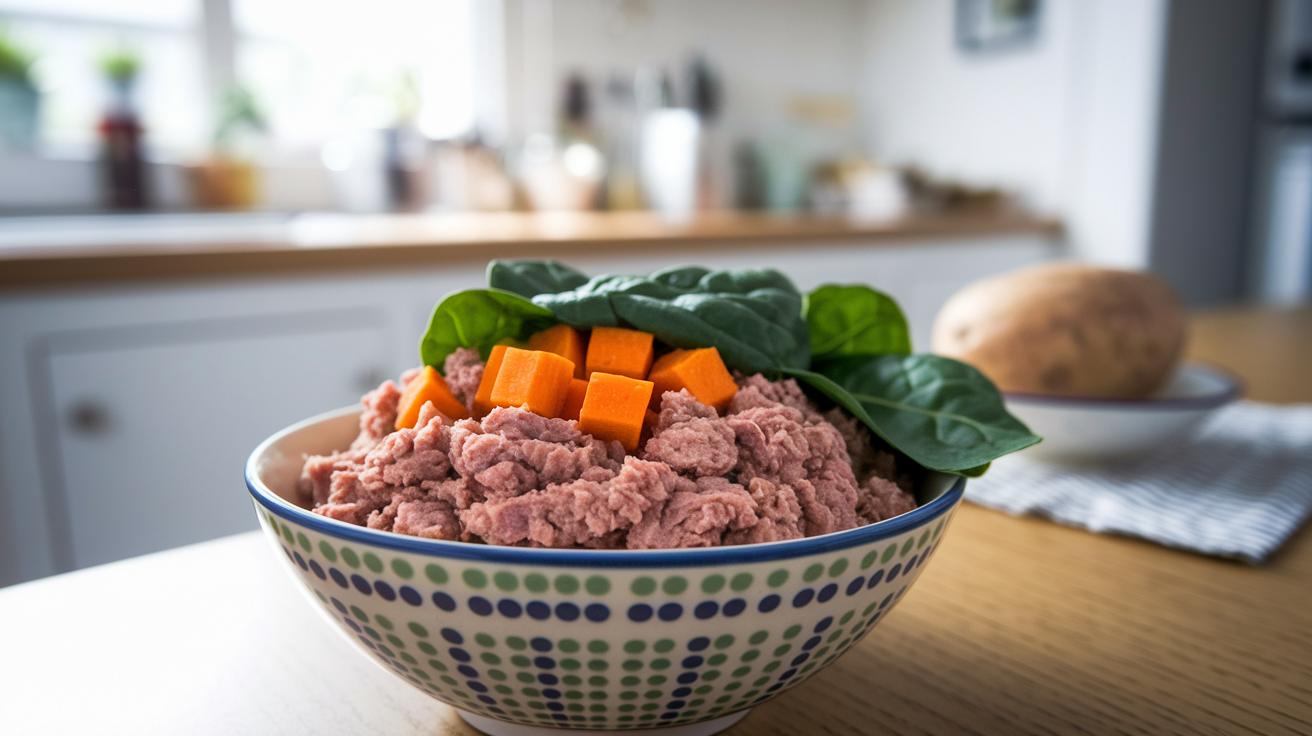
These homemade recipes are perfect for pet parents who want to prepare nourishing meals using real, organic ingredients. They help keep your furry friend happy and healthy with wholesome, non-GMO foods and even some plant-based options. Each recipe is easy to follow, so you can cook up a meal without any hassle.
-
Ground Turkey with Sweet Potato & Spinach
• Use 8 oz of lean ground turkey, ½ cup of cooked sweet potato, and ¼ cup of finely chopped spinach.
• Cook the turkey until it reaches 165°F (this means it's safely cooked).
• Steam the sweet potato until it's nicely soft, mash it, and then mix in the raw spinach (keeping it at room temperature helps hold onto its nutrients).
• Serve warm to keep the flavors bright and inviting. -
Salmon and Pumpkin Mash
• Start with 6 oz of salmon and ½ cup of pumpkin mash.
• Bake or gently steam the salmon until it's fully cooked, then flake it carefully into small pieces.
• At the same time, steam the pumpkin until it's tender and mash until smooth.
• Mix them together and check to be sure there are no bones hidden inside. -
Beef Stew with Carrots and Peas
• Gather 8 oz of beef, ¼ cup of diced carrots, and ¼ cup of peas.
• Brown the beef in a pan while being careful with the meat.
• Add the carrots and peas, letting the stew simmer until the veggies turn soft and tender.
• Allow the stew to cool down to a safe temperature before serving to your pet. -
Plant-Based Pumpkin and Kale Puree
• Use ½ cup of steamed pumpkin along with ¼ cup of chopped kale.
• Gently blend them into a smooth puree that's perfect for pets with sensitive tummies. -
Chicken, Quinoa, and Peas Medley
• Mix 6 oz of grilled chicken, ¼ cup of cooked quinoa, and ¼ cup of lightly steamed peas.
• Grill the chicken until it reaches 165°F, then combine it with the quinoa and peas.
• Enjoy this medley knowing it’s a balanced treat for your pet.
To boost hydration, try adding a splash of low-sodium broth or mix a little wet food into your pet's dry meal. This extra moisture not only adds flavor but also helps keep your beloved companion feeling great.
Final Words
In the action of mixing clean protein, nutrient-rich produce, smart portion sizes, and balanced supplements, our guide showed how holistic pet nutrition tips can boost your pet's overall health. The post explored core principles, whole-food choices, life-stage adjustments, and simple recipes crafted with care. Each section offered practical advice that makes meal planning fun and effective. Your pet's well-being shines when you blend these elements, creating meals that support energy, vitality, and lasting happiness.
FAQ
How do I feed my dog holistically, and what is holistic pet nutrition?
Feeding your dog holistically means preparing balanced meals with high-quality proteins and whole-food ingredients. This approach treats your pet as a whole being, addressing physical, emotional, and nutritional needs.
What is the holistic approach to pet wellness?
The holistic approach to pet wellness considers a pet’s entire well-being. It emphasizes natural diets with fresh, nutrient-rich foods, proper portion control, and supportive supplements to boost overall health.
What are the 7 basic nutritional needs of animals?
The seven basic nutritional needs of animals include proteins, fats, carbohydrates, vitamins, minerals, water, and fiber. These elements work together to support energy, muscle, digestion, and overall body functions.