
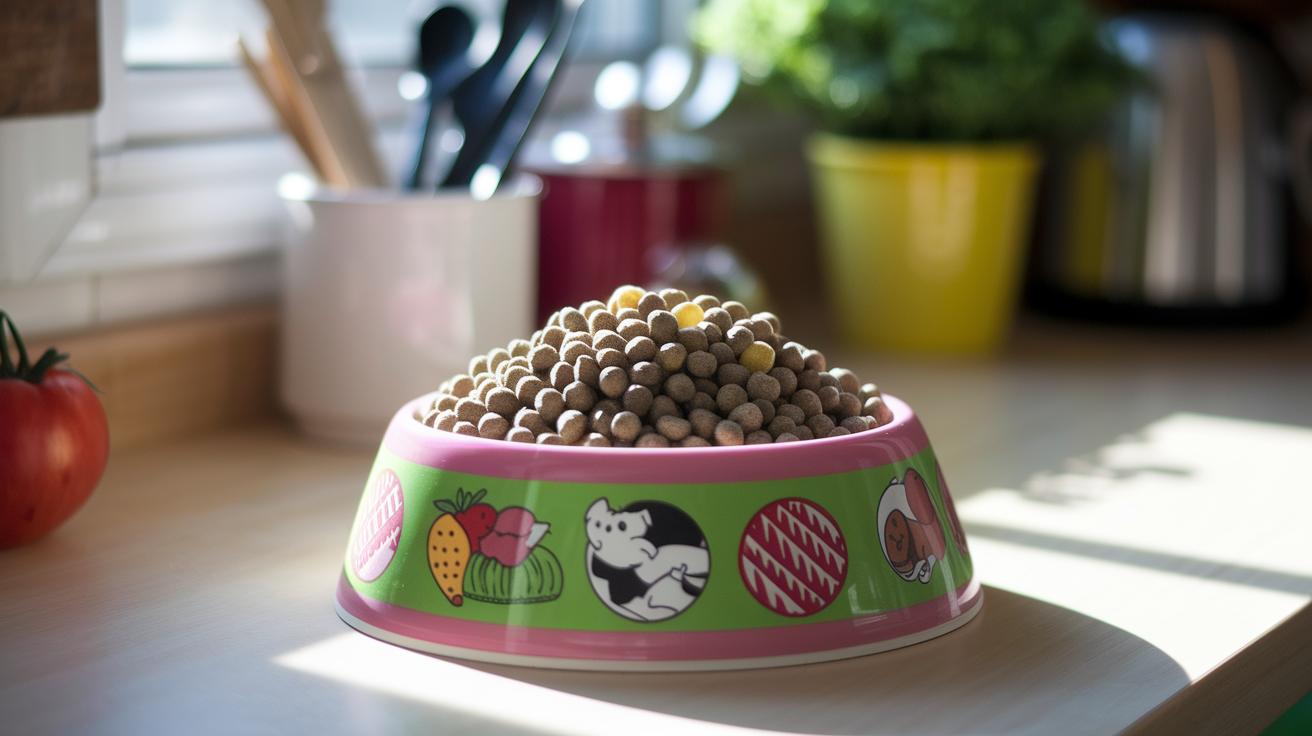
Have you ever thought about cooking meals at home for your pet that give them all the nutrients they need without using commercial food? Homemade recipes can be a safe, fresh way to show your furry friend some extra love.
We’re going to break things down simply, from lean proteins (like chicken that builds strong muscles) to hearty carbs (foods that give energy). Picture the rich aroma of browned meat and the gentle scent of steamed rice filling your kitchen. It’s easy to imagine, isn’t it? Let’s explore some simple, nutritious recipes that will help keep your pet happy and thriving.
How to Create Nutritionally Complete Homemade Pet Nutrition Recipes
When you cook for your pet, start by making sure you include proteins, fats, vitamins, and minerals. Think of lean ground sirloin as the building block of strength for your furry friend. Just a small 3-ounce portion gives 24 grams of protein, helping maintain muscle. Adding ingredients rich in essential vitamins and minerals makes each meal a complete home-cooked treat.
Next, remember that carbohydrates and veggies are key players too. Brown rice, which expands from 3 cups uncooked to about 6 cups cooked, gives steady energy and fiber. Toss in some carrots and parsley for an extra boost of vitamins and crunch. Hard-boiled eggs, each with 6 grams of protein, are a great addition too. A few tablespoons of Omega-rich oil, like olive or safflower, lend a shiny gloss to your pet’s coat and help keep skin healthy. Picture the nutty aroma of brown rice blending with the fresh scent of carrots , every bite counts.
Portion sizes make a big difference. For an 80+ lb dog, aim for about 4 cups twice a day, and a 40 lb dog might need 2 cups twice a day. Always steer clear of harmful ingredients like onions. Tailor the portions to fit your pet's size and needs, and you'll serve up a heartwarming, homemade meal that feels as special as a lovingly prepared dinner.
Step-by-Step DIY Pet Meal Solutions for Homemade Pet Nutrition Recipes
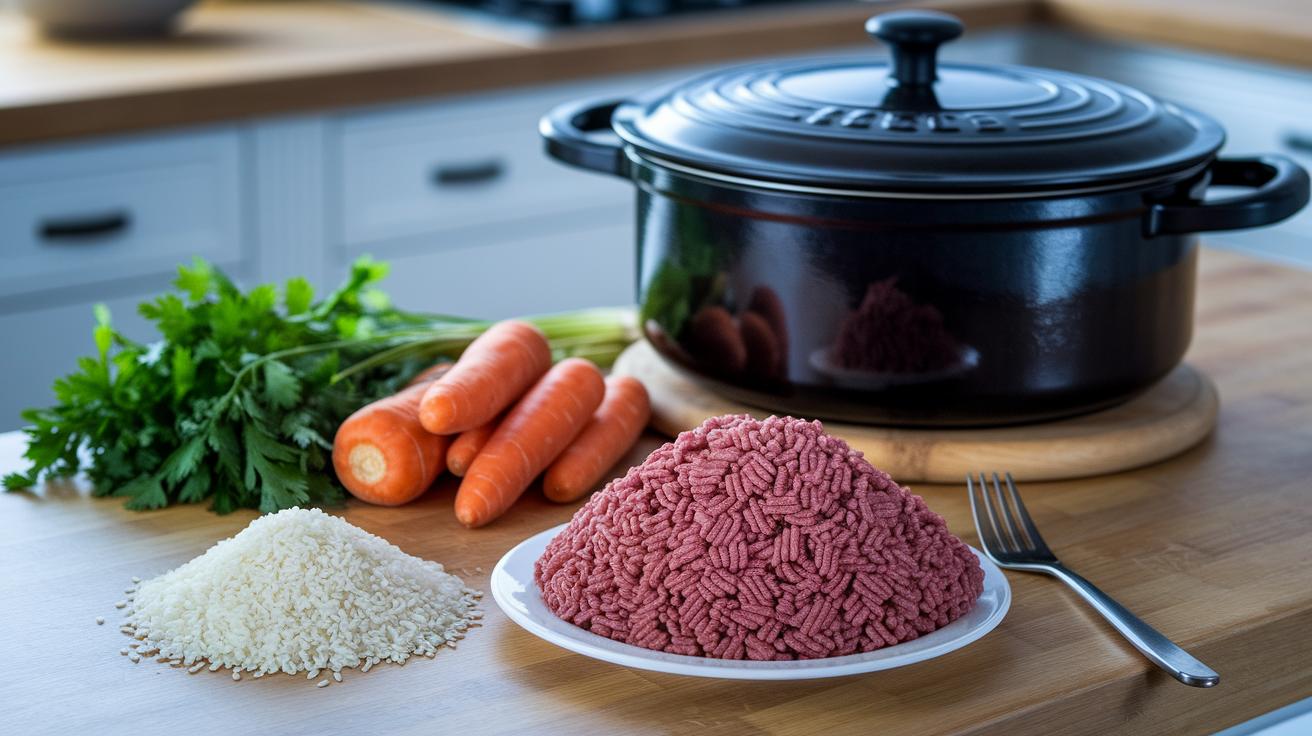
A good kitchen setup is everything when you’re making fresh, safe meals for your furry friend. Using a Dutch oven or a heavy saucepan helps spread the heat evenly so you don’t accidentally burn any of those delicate ingredients.
Start by measuring 1½ cups of uncooked brown rice and cook it in 3 cups of water until it’s soft and fluffy. While the rice cooks, brown 1 lb of lean ground sirloin in a separate pan until you catch that savory scent that tells you the protein is ready.
| Step | Description |
|---|---|
| 1 | Measure and cook the grains |
| 2 | Brown the lean protein |
| 3 | Prepare your vegetables and eggs |
| 4 | Combine everything in a big pot |
| 5 | Stir in your oils or supplements |
| 6 | Portion the meal into airtight containers |
Next, chop 2 cups of carrots into small pieces, they’ll simmer until tender and soft. Slice up two hard-boiled eggs to pack in extra high-quality protein. Toss in a handful of chopped parsley for a burst of vitamins, and don’t forget 1 to 2 tablespoons of oil (like olive or safflower) to help boost a shiny coat. If you’re using a rice cooker, just know it might take around two hours to produce an 8-cup batch, so plan your timing accordingly.
After all the ingredients are nicely mixed in your pot, let the warm, home-cooked meal cool down to room temperature before transferring it to the airtight containers. Keep these in the fridge for up to five days. When you’re ready to serve, gently reheat only the portion you need on low heat so your pet gets all the natural nutrients with the perfect texture.
Ingredient Spotlight: Nutritional Punch in Homemade Pet Nutrition Recipes
Lean sirloin is a real star on your pet's plate. It brings 24 grams of protein in every 3-ounce serving, which gives your pet the muscle boost it needs in a tasty way. Think of it as the bold brushstroke in a colorful pet meal masterpiece.
Carbs count too. Brown rice is a great way to fuel your furry friend with steady energy. One cup of cooked brown rice gives about 215 calories, 5 grams of protein, and 3.5 grams of fiber, providing the right balance for a happy tummy. Carrots add beta-carotene, while eggs offer 6 grams of protein and essential amino acids (building blocks for strong bodies). A little parsley gives a burst of vitamins A and C, and a drizzle of olive oil (a source of healthy fats) smooths out the flavors while helping keep your pet’s coat shiny.
| Ingredient | Key Nutrients | Recommended Amount |
|---|---|---|
| Lean Sirloin | Protein, B vitamins | 1 lb per batch |
| Brown Rice | Complex carbs, fiber | 3 cups uncooked |
| Carrots | Beta-carotene, fiber | 2 cups chopped |
| Eggs | High-quality protein | 2 hard-boiled |
| Parsley | Vitamins A/C | ¼ cup chopped |
| Olive Oil | Healthy fats | 1–2 Tbsp |
For an extra boost, try adding superfoods like 2 to 3 tablespoons of turmeric (it may help ease inflammation), beef liver, sweet potato, green beans, or even a few apple pieces. Each ingredient brings its own charm, ensuring every meal is fresh, safe, and full of balanced goodness for your furry friend.
Safe Cooking Techniques for Vet-Approved Homemade Pet Nutrition Recipes
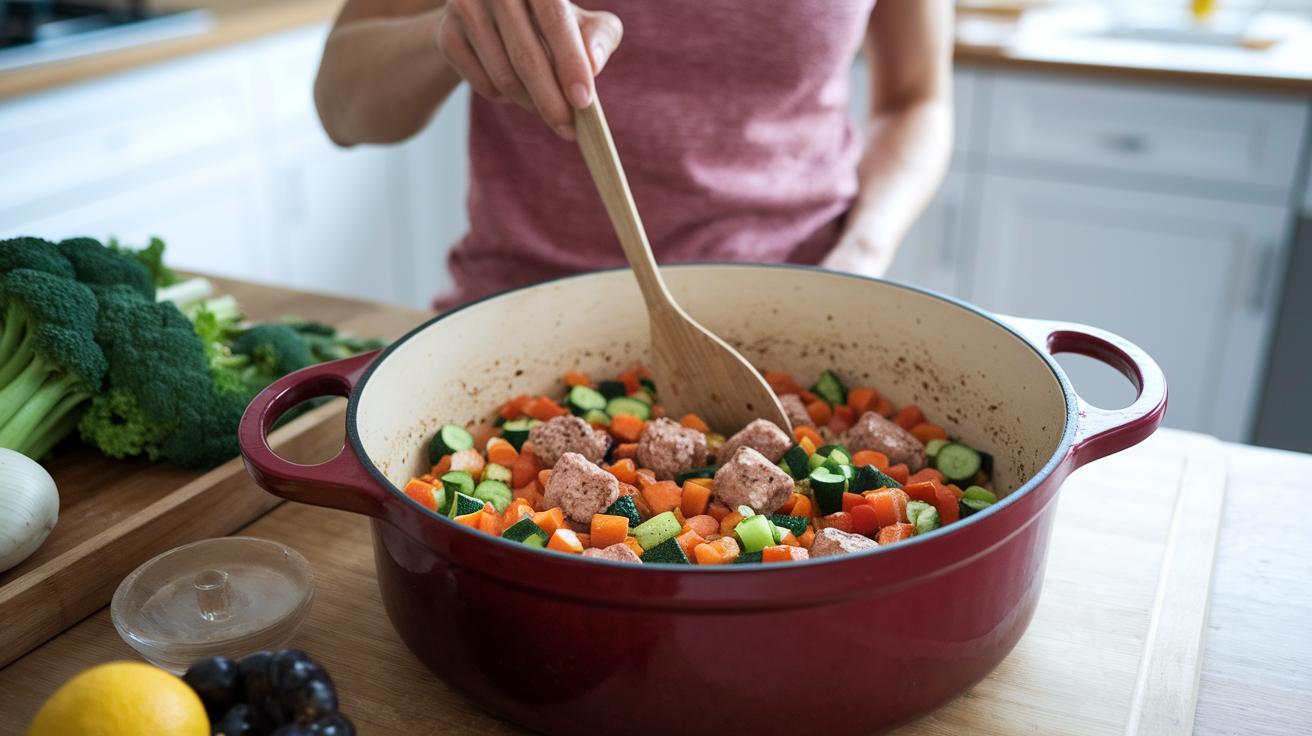
Cooking your pet meals on medium heat is key to keeping them both safe and nutritious. A sturdy, heavy-bottom pan like a Dutch oven or a solid saucepan spreads heat evenly, which helps protect delicate ingredients from burning. I once heard a chef say his heavy pan keeps lean protein and veggies full of their vitamins without any scorch marks. This way, you can stick with vet-approved recipes while keeping the meal's goodness intact.
When you're working with proteins like eggs, make sure to heat them until they reach 165°F (that little number is important to kill any harmful bacteria). A good tip is to stir your mix halfway through the cooking process so nothing sticks and everything cooks evenly. One pet parent mentioned that stirring in the middle makes every bite just right. These simple tricks help preserve the meal’s nutrients and ensure a safe, delicious dish.
Remember to leave out unsafe ingredients such as onions or garlic to protect your pet’s health. Whether you’re using a rice cooker on low (which takes about two hours to make a full batch) or cooking on the stovetop, these careful steps will keep every part of your meal nutritious and vet-approved.
Adjusting Homemade Pet Nutrition Recipes for Special Dietary Needs
When you’re whipping up meals for your pet at home, try swapping out lean ground sirloin for turkey or chicken. This little change lowers the fat, making dishes easier on your pet's tummy. Cutting back on eggs or liver can also help lower phosphorus (a key mineral that can be tough on sensitive kidneys).
For an extra health boost, stir in 2 to 3 tablespoons of turmeric each time you cook. It’s a natural way to ease inflammation. You might also mix in some pumpkin or green beans to add fiber and aid digestion. These tweaks can make each meal just right for your furry friend.
If your pet needs extra support, like if they’re managing kidney issues or weight, talk with your vet about limiting sodium and protein. Adjusting richer ingredients can help support healthier organs and smoother digestion. Every small change can be tailored to suit your pet’s unique needs without skimping on taste.
When it comes to older pets, especially those with joint discomfort, it helps to check out trusted resources on holistic diets for arthritis relief. And don’t hesitate to consult your veterinarian for personalized advice. Their guidance ensures that your recipe tweaks are safe and spot-on for your pet's dietary needs.
Portion Sizing and Feeding Guidelines in Homemade Pet Nutrition Recipes
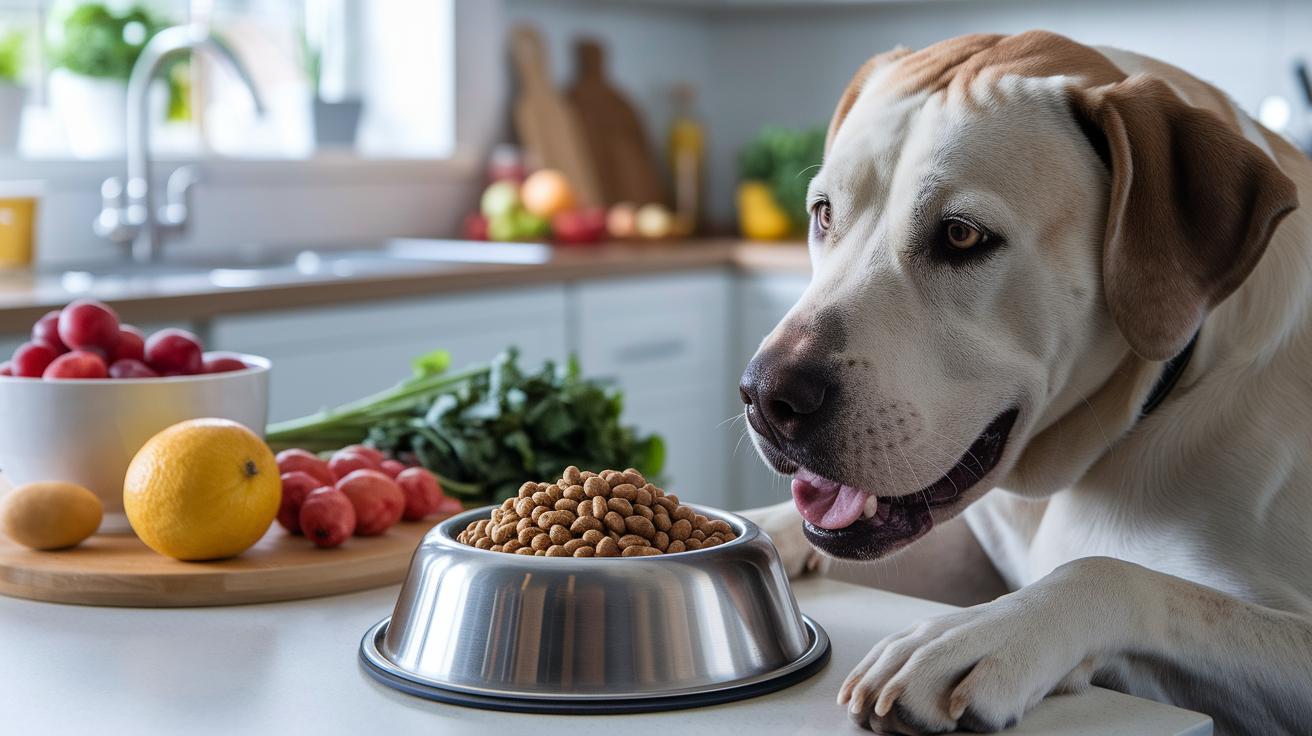
Getting your pet the right amount of food is really important for keeping them healthy and happy. For instance, a big dog over 80 pounds usually needs about 4 cups of food twice a day, while a 40-pound pet might only need around 2 cups per meal. Using a kitchen scale or a measuring cup helps you get these portions spot-on. And here’s a fun fact: even a small tweak in their meal size can brighten their coat and boost their energy.
If your pet weighs around 55 pounds, try mixing 1 cup of homemade food with ½ cup of kibble, served twice daily. This blend gives your pet the warm, home-cooked taste they love, with a little familiar crunch from the kibble. Keep a close watch on how your pet is doing and adjust the portions as needed.
Always have a bowl of fresh water on hand at mealtimes. Plus, if you prepare extra meals, store them in the fridge for up to five days or even freeze them to keep everything safe and nutritious.
Sample Homemade Pet Nutrition Recipes to Try Today
Balanced Beef and Rice Stew
This hearty dish is perfect for your larger furry friend. Start by cooking 3 cups of brown rice until it’s soft and fluffy, you'll end up with about 6 cups. In a pan, gently brown 1 lb of lean sirloin over medium heat until you catch that savory aroma that tells you it's just right. Next, toss in 2 cups of chopped carrots, letting them simmer until they’re tender and their natural sweetness fills the kitchen. Once the veggies are soft, mix in two chopped hard-boiled eggs. Finally, stir in 1 tablespoon of olive oil (a little boost of healthy fats that helps keep your pet’s coat shiny). Imagine the soothing, nutty smell of rice blending with the sweet scent of carrots and eggs, a tasty, balanced meal that works nicely for an 80+ lb pet, with about 4 cups per serving.
Turkey and Vegetable Crockpot Meal
For a slow-cooked twist that’s both soft and flavorful, try this turkey and vegetable crockpot treat. Start by placing 1.5 lb of ground turkey in your crockpot. Add in 1 diced sweet potato and 1 cup of green beans, then pour in 3 cups of water to make a light, tasty broth that ties everything together. Set your crockpot on low and let it all mingle for about 4 hours. As it cooks, the turkey and veggies turn into a tender, heartwarming stew that pets with gentler tastes will love. Once it’s done, stir the mixture well and let it cool a bit before serving. This recipe can be easily adjusted in size, so it’s a flexible, nutritious option for your pet’s daily menu.
Final Words
In the action of creating balanced meals, this article showed clear steps in making homemade pet nutrition recipes that support overall pet health. It covered ingredient highlights, safe cooking techniques, and portion sizing so every pet parent can feel confident about their recipe. The guide also touched on recipe tweaks for special diets, keeping things flexible and safe for our furry friends. The practical tips and simple process aim to make mealtime fun and nourishing. Enjoy crafting these creative meals for your pet’s happiness!
FAQ
What are vet approved homemade dog food recipes and what do vets recommend?
The vet approved homemade dog food recipes blend lean proteins, whole grains, and veggies to provide complete nutrition—a mix vets recommend for supporting healthy growth and overall well-being in dogs.
What are nutritionally complete homemade dog food recipes and are there PDFs available?
The nutritionally complete homemade dog food recipes combine quality proteins, healthy carbs, and fresh vegetables to cover all nutrient needs, with PDF guides available for easy-to-follow, step-by-step instructions.
How are homemade pet nutrition recipes tailored for large dogs?
The homemade pet nutrition recipes for large dogs adjust portion sizes and include extra nutrient-dense ingredients to meet higher energy needs, ensuring that big pups receive a balanced and health-supportive meal.
What are some easy and best homemade dog food recipes?
The best homemade dog food recipes are crafted with simple, fresh ingredients that are easy to source, offering complete nutrition while being straightforward enough for any pet parent to prepare at home.
What about the 25 vet approved recipes for specific health problems?
The 25 vet approved recipes provide targeted nutrition for pets with specific health issues, offering meal options designed to support special dietary needs and promote improved health outcomes.
What is the best nutrition for homemade dog food?
The best nutrition for homemade dog food comes from a balanced mix of high-quality protein, whole grains or starchy vegetables, and nutrient-rich greens, ensuring your pet receives a well-rounded and wholesome diet.
What is the healthiest homemade treat for a dog?
The healthiest homemade treat for a dog uses natural, simple ingredients like lean meat and whole oats, making a snack that is both delicious and supportive of overall pet health without any unnecessary additives.
What is the most important ingredient in homemade dog food?
The most important ingredient in homemade dog food is a high-quality protein, such as lean ground sirloin, which is crucial for muscle development, energy, and maintaining overall pet health.