

Have you ever thought about feeding your pet a raw meal? More and more pet lovers are saying goodbye to processed kibble and trying a diet that’s closer to what wild animals eat. Picture your dog enjoying fresh muscle meats, crunchy vegetables, and even a little yogurt, with all the vitamins, proteins, and natural minerals (good stuff for energy and strength) making every bite count.
This guide shows how a raw diet can boost your pet’s energy and overall well-being. We’ll walk you through using simple, everyday ingredients to create meals that are as tasty as they are healthy. Enjoy mealtime knowing you’re giving your furry friend something special.
Fundamentals of Raw Pet Nutrition
Raw pet nutrition means feeding your pet meals that closely resemble what wild animals once enjoyed in nature. It’s all about dishes made with muscle meat, edible bones, organ meats, raw eggs, veggies, fruits, and even a little dairy like yogurt. Imagine the gentle crunch of a raw bone or the tender texture of fresh meat, just like how wild canines savor nutrient-packed meals straight from nature.
A raw diet blends ingredients to create a balanced mix loaded with proteins, vitamins, and minerals. Muscle meat delivers high-quality protein, while edible bones add a boost of calcium (helpful for strong bones) and other vital nutrients. Organ meats, like liver and kidney, are tiny powerhouses filled with vitamins and minerals you might miss in processed foods. Plus, raw eggs and fresh veggies pack in extra nutrients for overall energy and vitality. Fun fact: wild canines thrived on raw diets for thousands of years, long before modern pet foods came along!
Many pet parents lean toward two popular raw-feeding methods: the BARF diet (Biologically Appropriate Raw Food) and the Prey Model diet. The BARF plan mixes animal parts with fruits and veggies, while the Prey Model mimics nature by combining muscle, bone, and organs in just the right proportions, much like the whole animal. Remember, no single method fits every pet perfectly. Every dog is unique, so finding a plan that suits your furry friend’s needs is key.
This natural way of feeding takes us back to basics, offering a diet that works with your pet’s true nature. In the end, a raw diet is all about supporting your pet’s health, energy, and happiness with meals that feel as genuine as a sunny afternoon playtime.
Core Ingredients & Nutrient Balance in Raw Diets

When you create a raw diet for your pet, you start with simple, whole-food ingredients that pack all the nutrients they need. Fresh muscle meats like chicken or beef serve as the main source of protein (the building block for strong muscles and energy), giving your pet that tasty, energizing bite.
Edible bones also play a big role. They are a natural source of calcium for strong teeth and bones and come with added vitamins and prebiotic fibers that keep the gut healthy. Picture your pet enjoying a crunchy bone that cleans their teeth while boosting their overall nutrition.
Organ meats such as liver or kidney are little nutrient powerhouses. They overflow with vital vitamins and minerals that processed foods often miss. The rich flavor of liver, for example, can win over even the fussiest eater, making mealtime both fun and nutritious.
Adding raw eggs and fresh fruits and vegetables gives the meal an extra burst of goodness. Raw eggs bring in extra proteins and fats (a natural boost), while a mix of colorful produce supplies antioxidants and fiber. Imagine the crisp crunch of raw carrots paired with the gentle sweetness of blueberries to brighten up your pet’s bowl.
If you’re ever worried about missing any nutrients, a pinch of eggshell powder or a simple supplement can cover those gaps. These small touches help ensure every essential vitamin and mineral is included, making the meal truly complete.
All these ingredients work together to create a balanced raw diet just as nature intended. For more ideas on combining these raw ingredients, check out holistic pet diet formulation explained. Using fresh, unprocessed foods can help you craft a diet that’s as natural and lively as your pet’s spirit.
Health Benefits of Raw Pet Nutrition
Switching to a raw diet often leaves your pet with a shinier coat and smoother skin. Imagine your dog with a glossy, vibrant coat that shows off the fresh, unprocessed food they enjoy. Many pet parents have noticed that using fresh ingredients gives their pets an extra boost of energy. I once talked to a pet owner who said her pup was jumping around with extra pep after making the switch.
A raw diet can also help improve your pet's energy levels and digestion. Many pet owners mention that their dogs produce smaller, firmer stools, a clear sign that their tummies are happy and absorbing all those good nutrients from lean meats and fresh produce. This smoother digestion means your pet gets the most out of every meal.
Dental care is another upside of a raw diet. The natural crunch from edible bones works like a built-in toothbrush, helping to clean teeth and lessen tartar buildup. It’s a simple, natural way to keep your pet’s smile healthy and bright.
Lastly, a diet rich in raw, nutrient-packed ingredients can give your pet's immune system a nice boost. With every meal, your furry friend steps a little closer to better overall wellness, enjoying a life filled with extra vitality and health.
Mitigating Risks & Safety Protocols in Raw Feeding
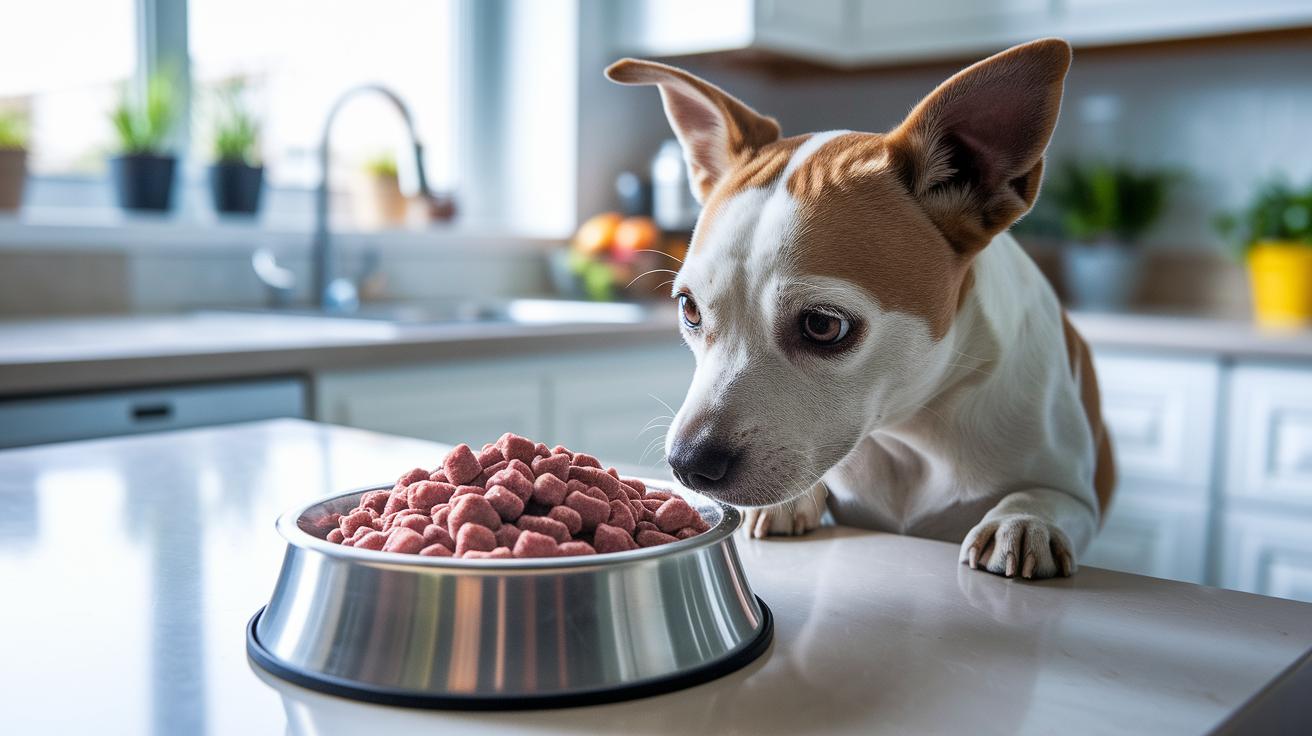
Handling raw pet food can feel a bit nerve-wracking. You might worry about bad bacteria, and rightly so, raw meat can sometimes hide harmful germs if you’re not careful. But here’s a friendly reminder: when raw pet food is processed correctly, it can actually be a safer choice than wild-sourced meat that might bring along parasites. One pet parent even shared that ever since they switched from wild-sourced meat to high-quality frozen raw food, their dog enjoyed fewer tummy troubles. It’s a small change that can make a big difference.
Frozen raw food is popular because the freezing process naturally keeps bacteria in check. Sure, you can cook food to kill pathogens, but that often means sacrificing some of the fresh nutritional benefits raw diets offer. Many pet parents find a happy balance by carefully handling and storing frozen raw meals so their pets can enjoy both safety and nutrition.
Here are some simple safety tips to keep in mind:
- Keep raw ingredients in the freezer until it’s time to use them.
- Prepare food on clean surfaces and always wash your hands before and after handling.
- Use separate utensils for raw pet food to avoid mixing it with other items.
It’s a smart idea to work closely with your veterinarian when starting a raw diet. A vet can help tailor the meals to your pet’s needs and ensure you’re managing any risks while still keeping the meals nutrient-packed.
Following these steps will help you serve raw meals confidently, knowing you’re keeping your furry friend safe and happy.
Strategic Transition Plans for Raw Pet Diets
Switching from processed pet food to a raw diet might seem a bit daunting at first, but when you break it down into simple steps, it really becomes much more manageable. Start off by choosing whether you’d like to make the change gradually or all at once.
If you decide on a gradual shift, mix a little raw food into your pet’s usual meal, slowly increasing the raw portion over several weeks. On the other hand, some pet parents opt for an immediate switch by removing processed foods entirely and serving only raw food. Just keep in mind that this immediate change might upset your pet’s tummy, so it’s best suited for pets with a sturdy digestive system.
Have you ever wondered how to figure out your pet’s daily portion by weight? A helpful guideline is to offer about 2–3% of your pet’s body weight in food each day. For example, if your dog weighs 50 pounds, they might need around 1 to 1.5 pounds of food daily. This approach helps keep meals balanced and nutritious.
Here’s a sample timeline to guide you:
| Weeks | Mix Ratio |
|---|---|
| Week 1-2 | 25% raw, 75% processed |
| Week 3-4 | 50% raw, 50% processed |
| Week 5-6 | 75% raw, 25% processed; then move to 100% raw |
Throughout this transition, keep an eye on your pet for any signs of tummy trouble, like loose stools or a slight upset. If you notice these, consider easing back on the raw food for a few days before increasing the ratio again.
Remember, every pet is unique, so feel free to adjust the timeline to suit your furry friend’s needs. With a little patience and close observation, you can make the switch to a raw diet safely and happily.
Sample Raw Meal Plans & Recipe Ideas
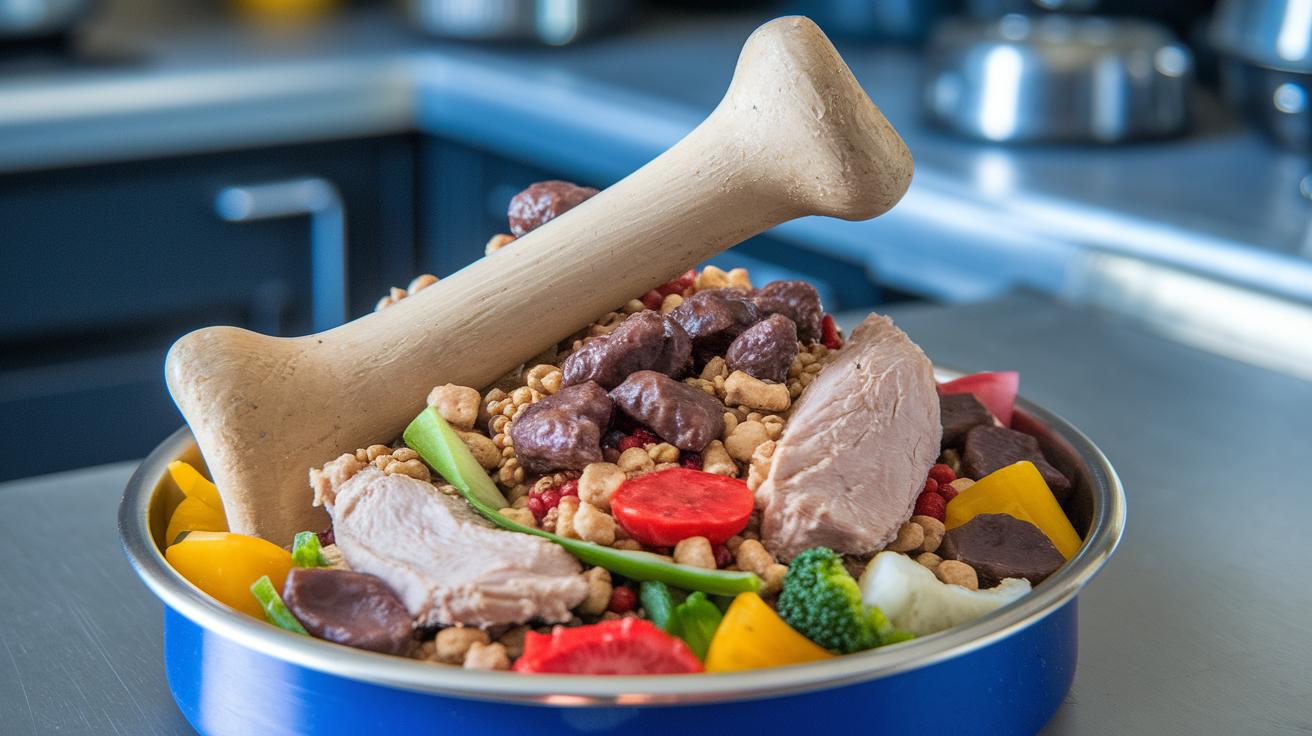
Looking for a raw pet nutrition guide that's both simple and balanced? Start with practical meal recipes using an 80% muscle, 10% bone, 5% liver, and 5% other organs mix. This blend supplies your pet with the protein, calcium, vitamins, and minerals (the building blocks for good health) they need to thrive.
If chicken is your go-to, try a chicken-based meal. Use tender chicken thigh meat along with a small bone for that natural crunch, and add a few bits of organs like liver. Mix in some veggies such as carrots or spinach to introduce extra goodness. Imagine a bowl filled with juicy chicken, a crunchy bone, a sprinkle of liver, and blended carrots that bring a bright, refreshing taste to every bite.
A beef-based option offers a hearty twist. Ground beef provides a rich protein punch, and marrow bones give a boost of essential calcium. Throw in a mix of organs like liver and kidney to ramp up the vitamins and minerals, and add a touch of fruit puree, maybe apple or pear, to introduce natural sweetness and antioxidants. Picture a bowl with creamy ground beef, tender marrow bone pieces, a measured mix of liver, and a dash of pear puree making mealtime a nourishing feast.
For a fish-based alternative, lean salmon is a great choice. Combine fresh salmon flesh with fin pieces to maintain the proper meat-to-bone balance, and add a pinch of eggshell powder (a natural source of calcium) to fill any nutrient gaps. Lightly steamed green beans toss in extra fiber and vitamins. Envision a dish where fresh salmon, crisp fin pieces, a light dusting of eggshell powder, and green beans come together for a refreshing raw meal.
Use these recipes as a template to explore your pet’s favorite ingredients. Adjust the portions to maintain that 80/10/5/5 balance, and enjoy watching your pet relish meals that are both tasty and full of healthy nutrients.
Expert Tips & Cost-Saving Raw Feeding Techniques
Raw feeding really shines when you plan things out smartly and save both time and money. One friendly tip is to buy meat in bulk and split it into meal-sized portions. By shaping the meat into small patties or meatballs before freezing, you cut down on your daily prep time. Picture yourself forming just the right-sized bite that keeps your pet’s meal both tasty and nutritious.
Freezing each serving on its own not only makes your routine simpler but helps lock in all the good nutrients. When you batch-prep meals like this, it's easier to stick to a budget and measure exactly what your pet needs each day. This method fits well with feeding practices that are just right for every unique pet.
Adding a bit of fun to mealtime is another smart move. Consider using enrichment tools like the LOVE Lickmat. These handy gadgets engage your pet while they eat, turning each meal into a playful, interactive treat that keeps their minds sharp.
There are more ways to save money and keep things interesting. Here are some ideas:
- Buy meat in bulk and divide it into frozen patties or meatballs.
- Freeze servings individually to simplify your daily routine.
- Use enrichment tools to make mealtime more engaging.
- Join raw feeding communities to get extra tips on budgeting and education.
Tailoring Raw Nutrition for Life Stages & Special Needs
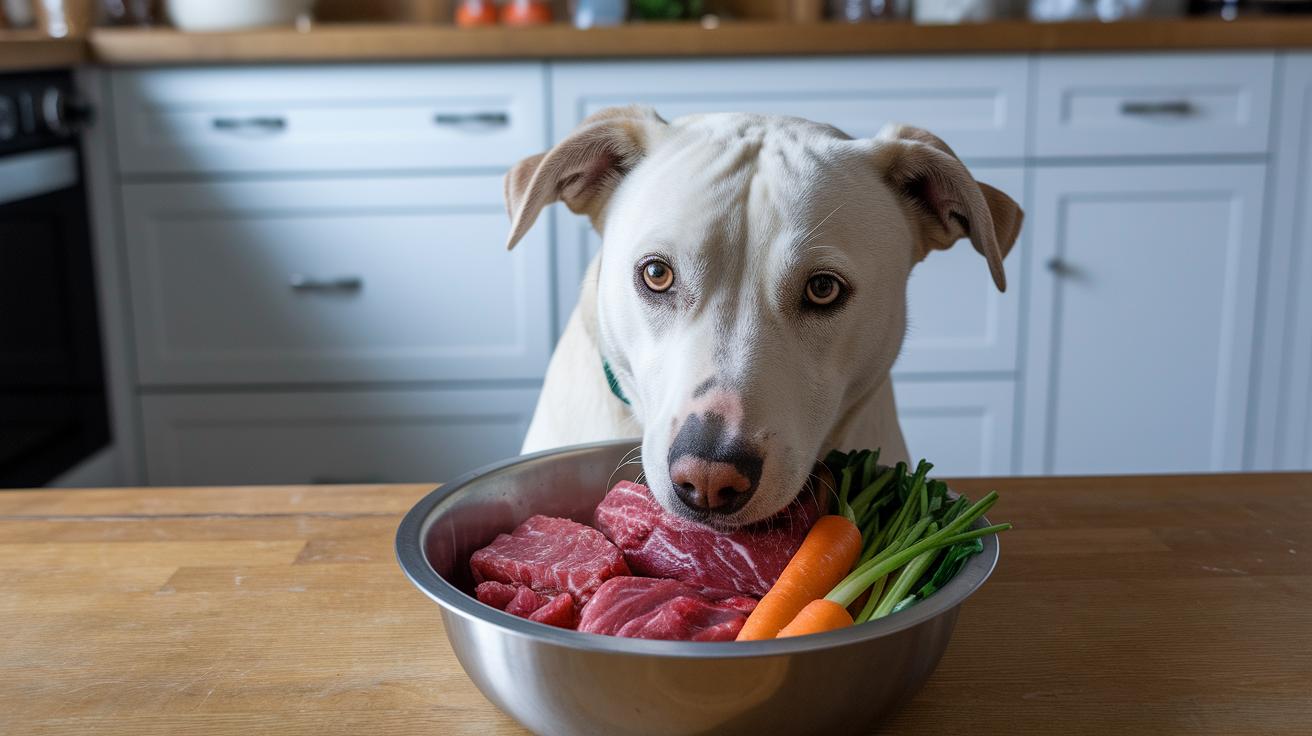
A raw diet is really flexible and can be tweaked to support your pet at every stage of life. When your puppy is busy growing, they need extra protein to help build strong muscles. Meanwhile, adult dogs thrive on a mix of protein, fats, and carbs (energy-giving sources) to keep up with their adventures. Older pets, especially those with arthritis, do better on meals with just the right touches of calcium and phosphorus (minerals that help cushion their joints). For instance, you could try a holistic pet diet aimed at easing arthritis pain while still serving up nutrient-rich bites.
It’s also key to adjust meals if your pet has a sensitive tummy. Some dogs may react to common proteins, so switching things up with different, novel protein sources or using recipes with fewer ingredients can really help ease their allergies. This gentle, tummy-friendly approach lets you serve a meal that’s both soft on their stomach and bursting with essential vitamins and minerals. Plus, by fine-tuning portions and nutrient mixes based on their size and how active they are, you ensure every bite is just right.
If your pet is recovering from surgery or dealing with long-term health challenges, a little extra support can go a long way. Adding a bit more organ meat (which is packed with key micronutrients) into their diet can give them that extra boost during recovery and for overall wellness. Tailoring your pet’s raw diet this way means every meal helps them feel their best, no matter what life stage they’re in.
Final Words
In the action of exploring raw pet nutrition, we stepped through basics like muscle meat and organ balance while sharing expert tips, practical meal plans, and safety measures. We looked at health benefits, individual transition plans, and even cost-saving approaches for everyday feeding. This raw pet nutrition guide offers clear, actionable advice to make your pet's meals both tasty and nutritionally solid. Enjoy every meal prep moment knowing you’re working toward a happier, healthier pet.
FAQ
What is the purpose of a raw pet nutrition guide PDF?
The raw pet nutrition guide PDF provides detailed insight into raw feeding, showing ingredient ratios and nutritional balance to help you create well-rounded meals for your pet.
How do I use a BARF diet calculator for dogs?
The BARF diet calculator turns your dog’s weight into specific ingredient amounts, helping you adjust muscle meat, bones, and organs to achieve a balanced raw meal.
What raw food diet for dogs recipes are available?
Raw food diet recipes for dogs mix muscle meat, bones, organs, and produce in smart proportions, ensuring delicious meals that support your pet’s overall health.
What does the BARF diet for dogs entail?
The BARF diet means feeding your pet a biologically appropriate raw mix that mimics wild diets by combining muscle meat, bones, and organs for improved well‐being.
How is the BARF diet adapted for puppies?
The BARF diet for puppies uses softer, more digestible ingredients while maintaining key nutrients, ensuring a gentle transition that supports healthy growth and development.
How do I calculate my dog’s raw food using the 80-10-10 rule?
The 80-10-10 rule directs you to use 80% muscle meat, 10% bone, and 10% organs, and a calculator applies this ratio to adjust the portions based on your dog’s weight.
How do I calculate my dog’s raw diet overall?
Calculating your dog’s raw diet involves using its weight and nutritional needs, often following a guideline like 2–3% of its body weight daily to determine the correct portions.
Why do some vets caution against feeding raw diets?
Some vets caution against raw diets due to potential bacterial risks, so they recommend proper sourcing, handling, and regular veterinary checks to maintain balanced nutrition.
What guidelines help ensure a safe raw diet for dogs?
Following guidelines for a raw diet means using balanced ingredient ratios, practicing safe food handling, transitioning gradually, and consulting your vet to address your pet’s nutritional needs.